
Luigi Boccherini — Italian classical cellist and composer
Luigi Boccherini (1743–1805) was an Italian Classical-era cellist and composer best known for his chamber music, especially string quintets with two cellos, and for advancing cello technique and repertoire.
Overview
Luigi Boccherini was an Italian cellist and composer of the Classical era, born in Lucca on 19 February 1743 and dying in Madrid on 28 May 1805. He trained as a virtuoso cellist and developed a large body of works as a professional composer. Boccherini is remembered chiefly for his elegant chamber music and for expanding the expressive possibilities of the cello in solo and ensemble settings.
Image gallery
5 Images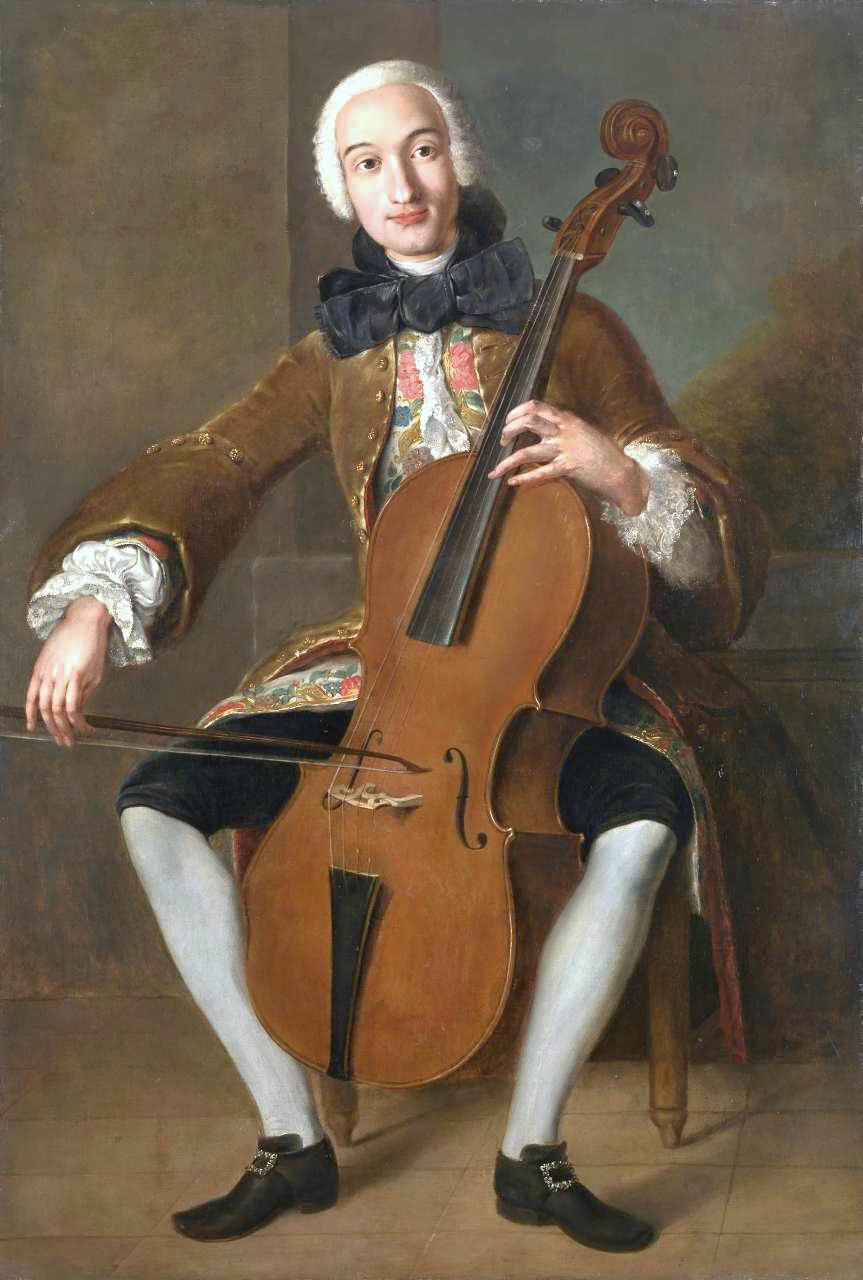


Life and career
As a youth Boccherini went to Rome for musical instruction and on returning to his native Lucca he joined local theatrical and civic ensembles. His career was itinerant: he performed and composed across France, Spain and Germany. Notably he accepted a position in Berlin as chamber composer to the King of Prussia, an appointment that required exclusive service to the court. After the monarch's death Boccherini lost that security and eventually settled in Madrid, where he relied on occasional patrons and court work but often faced financial hardship.
Music and notable works
Boccherini concentrated on intimate genres rather than large-scale orchestral composition. He wrote numerous string quintets—distinguished by scoring for two cellos—alongside trios, quartets and solo pieces. These chamber pieces display refined melody, light textures and a graceful sense of proportion. He also contributed to the solo cello repertory with several cello concertos and virtuosic works. One short minuet from a quintet is widely known and frequently performed independently of its original ensemble context.
Reception, style and distinctions
Operating in the same Classical milieu as contemporaries such as Haydn, Boccherini's style shares clarity and formal balance but often favors lyrical warmth and intimate virtuosity. He was sometimes wryly called "Haydn's wife" to suggest affinity with Joseph Haydn while acknowledging a distinct, more aristocratic or courtly sensibility. His emphasis on the cello's singing quality helped broaden the instrument's expressive range.
Genres, patrons and later life
Over his lifetime Boccherini produced several hundred works spanning chamber music, sacred pieces, string symphonies and occasional stage works. Much of his output was written for private patrons and aristocratic households rather than public concert series. In Spain he found patronage at times but also endured poverty in later years. His music circulated in manuscript and prints across Europe during and after his life.
Legacy and modern interest
Today Boccherini is chiefly esteemed for his chamber repertoire and for pieces that remain staples of the cello literature. Performers and audiences value his melodic gift and refined textures; historically informed ensembles and soloists continue to record and revive his works. For introductions to his life and music see sources focused on his birthplace, career in Rome and Berlin, and his years in Madrid: Lucca, Rome, Berlin and Madrid. Further reading can be found at specialized catalogues and biographical studies: France, Spain, Germany, or entries treating his role at the Prussian court and his standing among chamber music composers. For repertoire guides and editions see references on his cello concertos and on stylistic comparisons with Haydn.
Related articles
Author
AlegsaOnline.com Luigi Boccherini — Italian classical cellist and composer Leandro Alegsa
URL: https://en.alegsaonline.com/art/125505