
Luigi Delneri — Italian football coach and former player
Overview of Luigi Delneri (born 23 Aug 1950), an Italian former footballer turned manager known for work with several Serie A clubs and a pragmatic attacking approach.
Overview
Luigi Delneri (born 23 August 1950) is an Italian former professional footballer who became a well-known coach in Italy's top divisions. After a modest playing career, he built a long managerial career in the Italian leagues and earned a reputation for organizing competitive teams—often from limited resources—and favoring direct, wide attacking play.
Image gallery
3 Images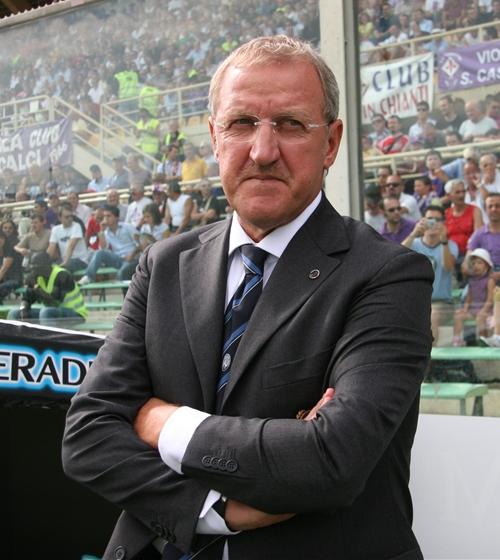

Playing career
Delneri played as a midfielder in the Italian lower leagues before moving into coaching. His playing years did not attract wide national attention, but they provided the practical grounding and experience that he later applied as a coach and team organizer.
Managerial career
He began coaching in the lower tiers and then progressed to manage clubs in Serie A and Serie B. Over several decades he worked with a range of teams, including stints at smaller clubs and at high-profile outfits. Managers and observers credit him with stabilizing clubs and extracting strong performances from squads that lacked star names.
- Early work in youth and lower divisions
- Notable periods with clubs that rose in prominence under his stewardship
- A mixed spell at a major club, followed by further top-flight appointments
Tactical approach and reputation
Delneri's teams are generally associated with disciplined defensive organization combined with energetic wide play and crossing. He often deployed compact defensive shapes that allowed quick transitions to attack. Critics have sometimes described his methods as pragmatic, while supporters praise the consistency and competitiveness his sides displayed.
Legacy and notable facts
Delneri is remembered as a coach who frequently improved team performance relative to expectations. He is often discussed in connection with the phenomenon of smaller clubs achieving above‑average league finishes. For further reading and profiles, see a general coach profile here, a statistical summary here, and additional commentary here.
While not a household name worldwide, Delneri's career exemplifies the path of a professional who transitioned from playing to a long managerial tenure, leaving a mark on Italian club football through steady, often pragmatic coaching.
Related articles
Author
AlegsaOnline.com Luigi Delneri — Italian football coach and former player Leandro Alegsa
URL: https://en.alegsaonline.com/art/125508