
Lucca: historic Tuscan city known for its walls and cultural heritage
Lucca is a historic city in Tuscany, Italy, noted for its intact Renaissance walls, Roman and medieval centre, notable churches, towers and as the birthplace of composer Giacomo Puccini.
Overview
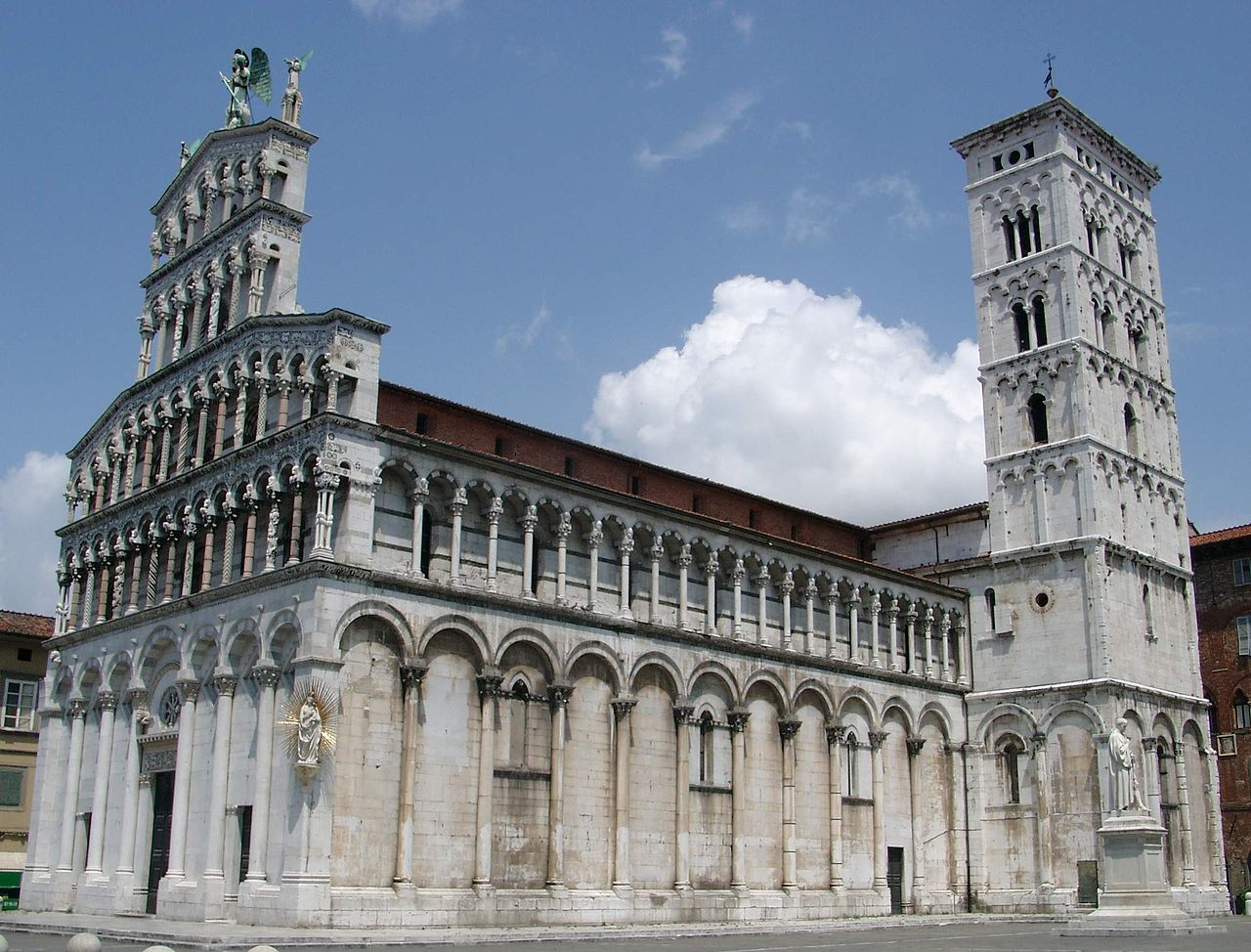
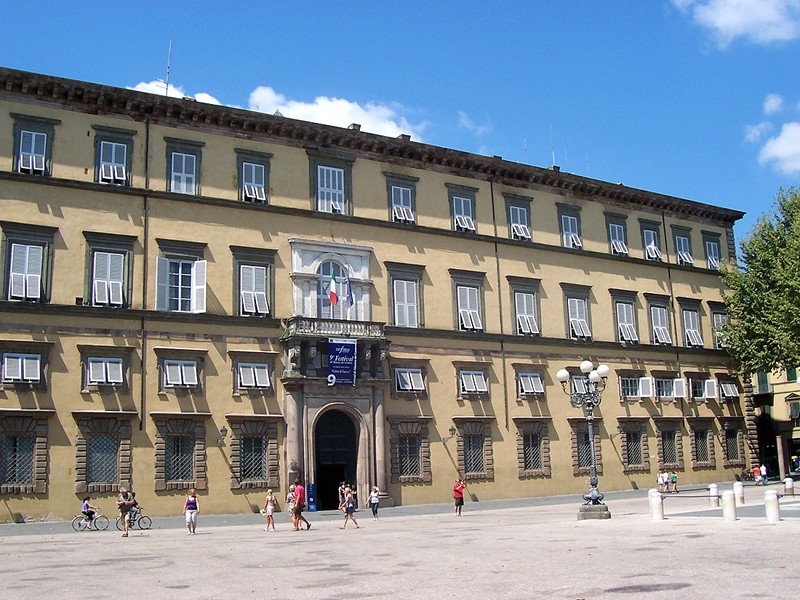
Lucca is a city in Italy located in the region of Tuscany. It stands on the river Serchio in a fertile plain not far from the Tyrrhenian Sea, and serves as the capital of the Province of Lucca. The city is widely appreciated for a compact, well preserved historic centre and for a continuous urban fabric that reflects Roman, medieval and later developments.
Image gallery
10 Images




Location and character
Lucca's urban core is distinguished by its broad ring of fortified walls that survive as a continuous green promenade. The walls, originally military defences, were transformed into tree-lined ramparts and pathways that encircle the old town and are popular for walking and cycling. Inside the ring, the plan preserves narrow streets, small squares and a mix of civic, religious and domestic architecture.
History
Founded on Roman foundations, Lucca evolved through the Middle Ages as an important local centre and for long periods enjoyed a degree of autonomy as a commune. Its prosperity in medieval and early modern times is reflected in towers, palaces and churches. Over centuries Lucca maintained distinctive civic institutions and left a layered architectural record combining Roman remains with medieval and Renaissance structures.
Architecture and notable sights
- Piazza dell'Anfiteatro – an oval piazza laid out on the footprint of a Roman amphitheatre, framed by houses and cafés.
- Cathedral of San Martino – the city's cathedral, notable for its Romanesque façade and interior artworks.
- Guinigi Tower – a medieval tower topped with a rooftop garden of holm oaks, a distinctive Luccan landmark.
- Torre delle Ore – the city's historic clock tower with views over the roofs.
- The city walls – wide bastions and promenades planted with trees, offering uninterrupted views of the historic centre.
Culture and festivals
Lucca is known as the birthplace of composer Giacomo Puccini and the surrounding area stages musical events and commemorations linked to his legacy. The city hosts a lively calendar of cultural events, including concerts and festivals that attract both local and international visitors. A major comics and gaming festival takes place each year, drawing large crowds and highlighting contemporary popular culture alongside traditional arts.
Economy and local life
The local economy combines tourism with agriculture, artisanal crafts and small industry. Olive oil, wine and other agricultural products from the Tuscan plain are part of the regional economy, while shops, restaurants and hospitality services cater to visitors. Local cuisine features Tuscan staples and regional specialties served in Luccan trattorie and markets.
Visiting and practical notes
The compact historic core is pedestrian-friendly and easy to explore on foot or by bicycle. Lucca is well connected by regional rail and road to other Tuscan cities; nearby airports and transport hubs provide wider access. Visitors often use Lucca as a base for excursions into the surrounding countryside, the nearby coastline and other towns of cultural interest.
Further reading
For visitors and researchers, guides and museum resources provide introductions to Lucca's art, architecture and history; local tourist offices offer current practical information on events, opening times and guided tours.
Questions and answers
Q: Where is Lucca located?
A: Lucca is located in the Italian region of Tuscany.
Q: Is Lucca situated close to the sea?
A: Yes, Lucca is located near the Tyrrhenian Sea.
Q: What river runs through Lucca?
A: Lucca is situated on the river Serchio.
Q: Is Lucca an important city in the Province of Lucca?
A: Yes, Lucca is the capital city of the Province of Lucca.
Q: Is the land around Lucca very productive?
A: Yes, the city is located in a very fertile plain.
Q: What is the significance of the Tyrrhenian Sea for Lucca?
A: The proximity to the Tyrrhenian Sea contributes to the mild climate enjoyed by Lucca.
Q: What makes Lucca a desirable place to visit?
A: Lucca's location near the sea and its rich agricultural heritage make it an attractive destination. Additionally, the city's historic architecture and winding streets are popular among tourists.
Related articles
Author
AlegsaOnline.com Lucca: historic Tuscan city known for its walls and cultural heritage Leandro Alegsa
URL: https://en.alegsaonline.com/art/59682