
Chamber music: small ensembles, history, forms and significance
Chamber music is repertoire for small ensembles — typically one player per part — noted for intimacy, conversational textures, and genres like the string quartet, piano trio, and quintet.
Chamber music refers to music written for a small ensemble in which each musician usually plays an independent part. The term comes from the word "chamber" meaning a room, because these works were historically performed in private rooms or salons rather than in large concert halls. Unlike orchestral music, chamber pieces rely on a few players—often two to nine—so the individual contributions of each instrument are exposed and exchange melodic and harmonic roles in a conversational way. For a general introduction see chamber music overview.
Image gallery
10 Images


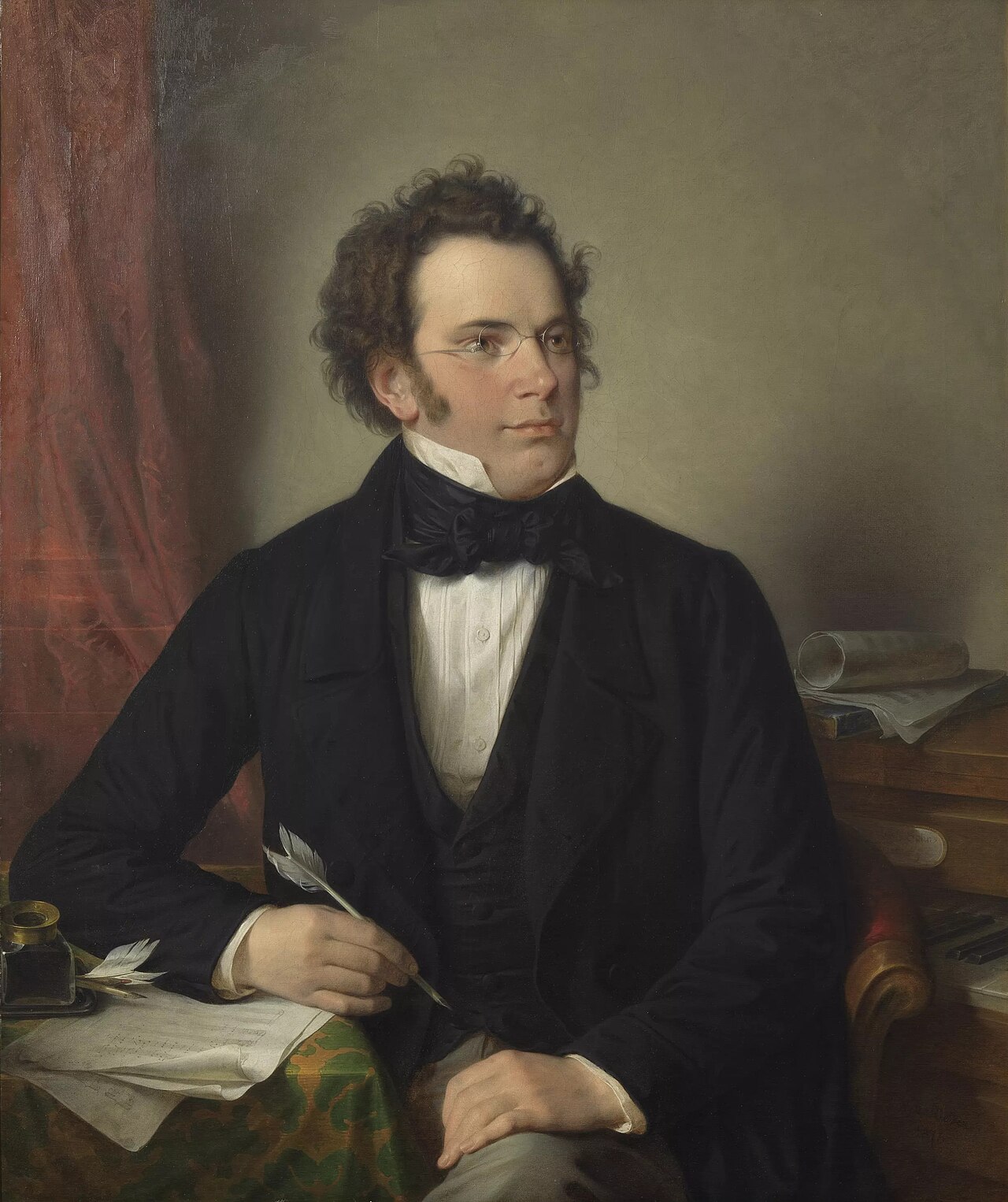


Typical ensembles and characteristics
Common chamber formations include the string quartet (two violins, viola, cello), piano trio (piano, violin, cello), wind quintet (flute, oboe, clarinet, horn, bassoon) and various quintets, sextets and octets. In these groups each part is distinct: performers read and perform separate lines rather than all playing the same part as in many orchestral sections. This "one to a part" principle creates clarity of texture and calls for close listening and interplay among players. Examples and instrumentation lists are available at ensemble types.
History and development
The genre grew in the Baroque and Classical eras when composers wrote works specifically for domestic or courtly entertainment. By the Classical period the string quartet became a central vehicle for musical invention; composers such as Haydn, Mozart and Beethoven expanded its expressive range. Over the 19th and 20th centuries, chamber music continued to evolve with romantic expressiveness, modern harmonic language, and experimental timbres. For historical context consult early origins and discussions of later developments at modern chamber music.
Uses, performance and repertoire
Chamber music serves many purposes: private entertainment, public recital repertoire, pedagogical study, and compositional experimentation. Its intimate scale makes it suitable for small venues, rehearsal rooms and academic settings. Performers must balance soloistic responsibility with ensemble sensitivity; phrasing, balance and communication are essential. Repertoire ranges from classical masterworks to contemporary commissions and arrangements, and listeners can explore recommended works via repertoire guides.
Distinctive features and notable facts
- Interaction: chamber music is often described as musical conversation, where themes pass between instruments.
- Flexibility: many pieces exist in multiple versions or arrangements to suit availability of players.
- Small ensembles: a "chamber orchestra" or "chamber choir" is related in scale but the term "chamber music" most strictly applies to works for a few individual players rather than a small ensemble with multiple players per part; see terminology.
- Contemporary scene: living composers continue to write for chamber groups, expanding timbral and technical possibilities; further reading at contemporary chamber music.
For musicians and listeners alike, chamber music offers directness, clarity and intimacy. It rewards attentive listening and invites performers into a collaborative, conversational role that has inspired centuries of repertoire and continues to thrive in concerts, education and recording projects.
Questions and answers
Q: What is chamber music?
A: Chamber music is music written for small groups of instruments.
Q: Why is it called chamber music?
A: It is called chamber music because a “chamber” means “room” in French, and it was originally played in small rooms.
Q: How many instruments can be in a chamber music group?
A: A chamber music group can have any number of instruments from two up to nine.
Q: What is the difference between an orchestra and chamber music?
A: In chamber music, each player is playing something different from the others (“one to a part”), while in an orchestra, there may be many musicians playing the same notes.
Q: What is a chamber orchestra?
A: A chamber orchestra is a small orchestra.
Q: What is a large orchestra called?
A: A large orchestra is often called a “symphony orchestra”.
Q: What is a small choir called?
A: A small choir may be called a “chamber choir”, but it is not usually thought of as “chamber music”.
Related articles
Author
AlegsaOnline.com Chamber music: small ensembles, history, forms and significance Leandro Alegsa
URL: https://en.alegsaonline.com/art/18410