
Bodenseekreis — Lake Constance district in Baden-Württemberg
Bodenseekreis is a rural district in southeastern Baden-Württemberg, Germany, on the northern shore of Lake Constance. Its centre is Friedrichshafen; the area combines tourism, agriculture and light industry.
Bodenseekreis is a rural district in the southeast of Baden-Württemberg, Germany. The name reflects the district's close connection to the large inland lake known internationally as Lake Constance (German: Bodensee). The administrative centre and largest town is Friedrichshafen, situated on the lake's northern shore.
Geographically the district occupies part of the northern lakeside and adjacent lowlands and rolling hills. On land it borders the districts of Konstanz, Sigmaringen and Ravensburg, while across the state boundary lies the Bavarian region including the Lindau district in Bavaria. To the south the district faces Switzerland across the lake and forms part of a tri-national area that also involves Austria.
The modern administrative entity was created during regional reform in the early 1970s when smaller units were reorganised into the present district. The district council and administration handle local planning, schools, roads and social services for a mixture of towns, villages and rural municipalities along the shore and inland.
Bodenseekreis combines several economic strands. Tourism is important: lakeside promenades, historic town centres, castles and museums attract visitors year-round — Friedrichshafen's Zeppelin Museum is a well-known example. Agriculture on the hinterland includes orchards, vineyards and specialty crops, while a network of small and medium-sized industrial firms supply the aviation and automotive sectors and other manufacturing niches.
Prominent towns in the district include Friedrichshafen, Überlingen, Meersburg, Tettnang and Markdorf, each offering harbour areas, markets and cultural events. Transport links comprise regional rail, road connections and ferry services across the lake; recreational infrastructure such as the Lake Constance Cycle Path and waymarked hiking routes supports outdoor tourism and local leisure.
As part of the Lake Constance region the district participates in cross-border cooperation on transport, environmental protection and tourism promotion. Its mix of scenic shoreline, productive agricultural land and clustered industry illustrates how regional economies around transnational lakes can be diversified and interconnected.
Image gallery
3 Images
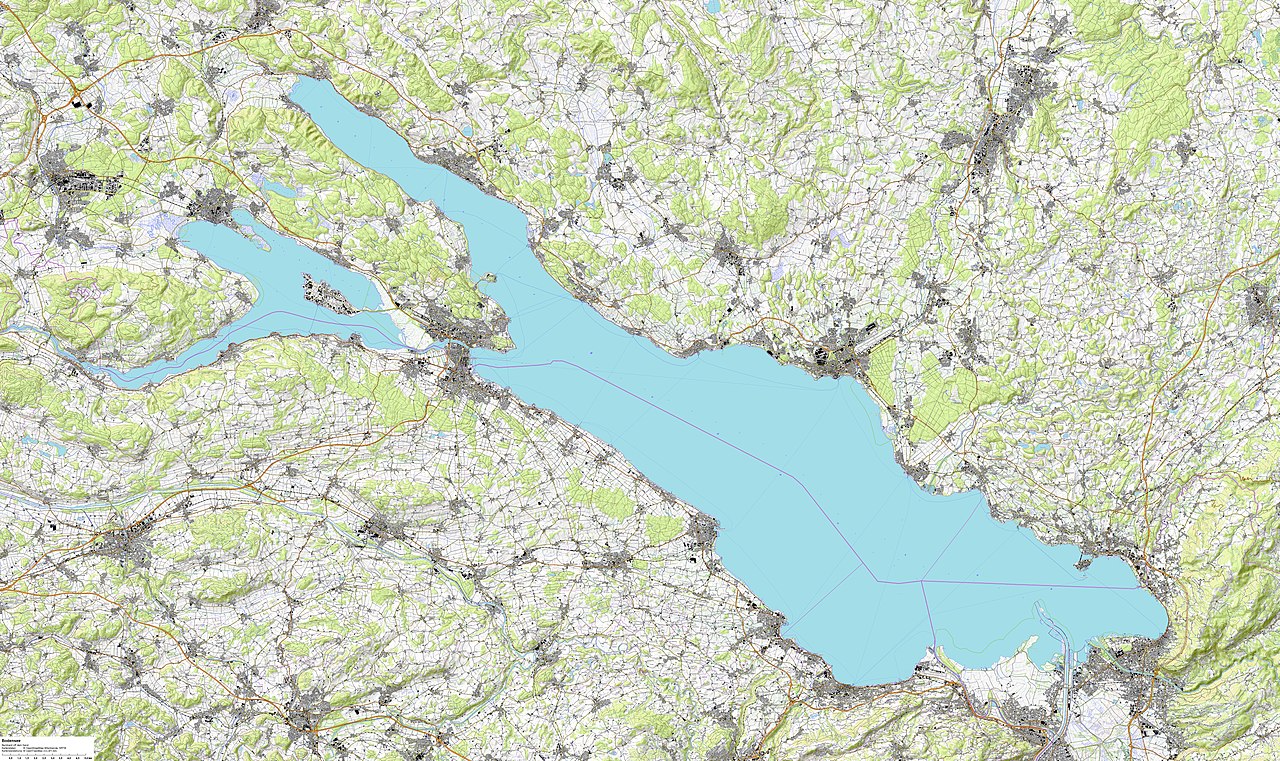
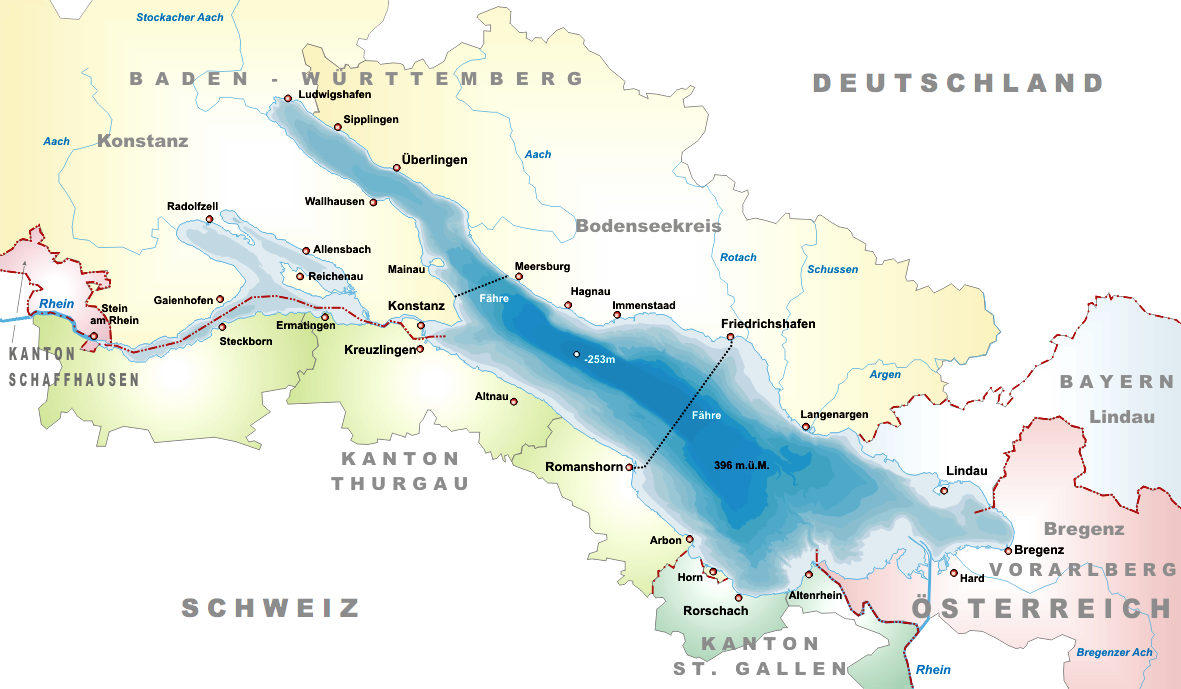
Key features
- Location: Northern shore of Lake Constance (Bodensee).
- Administrative centre: Friedrichshafen.
- Neighbours: Konstanz, Sigmaringen, Ravensburg and the Lindau district in Bavaria.
- International context: faces Switzerland across the lake and is part of tri-national initiatives.
- Main activities: tourism, agriculture (fruits and wine), light industry, cycling and watersports.
Questions and answers
Q: Where is Bodenseekreis located?
A: Bodenseekreis is located in the southeast of Baden-Württemberg, Germany.
Q: What type of district is Bodenseekreis?
A: Bodenseekreis is a rural district (Landkreis).
Q: What are the neighboring districts of Bodenseekreis?
A: The neighboring districts of Bodenseekreis are Konstanz, Sigmaringen, and Ravensburg, and in Bavaria, Lindau district.
Q: Where is Switzerland located in relation to Bodenseekreis?
A: Switzerland is located on the opposite shores of Lake Constance from Bodenseekreis.
Q: Which city is the capital of Bodenseekreis?
A: The capital of Bodenseekreis is Friedrichshafen.
Q: What is Lake Constance known as in German?
A: Lake Constance is known as Bodensee in German.
Q: What is the meaning of the name "Bodenseekreis"?
A: Bodenseekreis means "Lake Constance district" in English.
Related articles
Author
AlegsaOnline.com Bodenseekreis — Lake Constance district in Baden-Württemberg Leandro Alegsa
URL: https://en.alegsaonline.com/art/12592
Sources
- destatis.de : "Gemeinden in Deutschland nach Fläche, Bevölkerung und Postleitzahl am 30.09.2016"
- commons.wikimedia.org : Bodenseekreis