
Keith Moon (1946–1978) — English rock drummer and member of The Who
Keith Moon, drummer for The Who, was known for his explosive drumming, theatrical antics and volatile lifestyle. He shaped rock percussion in the 1960s–70s and remains widely regarded as an influential rock drummer.
Overview
Keith John Moon (23 August 1946 – 7 September 1978) was an English drummer best known as the dynamic, eccentric percussionist for the rock band The Who. He joined the group in 1964 and performed on the band’s recordings and tours from their mid-1960s rise through the 1978 album Who Are You, released shortly before his death. Moon became famous for a theatrical, unpredictable approach to the drum kit and a public persona marked by excess and wild stunts.
Image gallery
10 Images


Playing style and characteristics
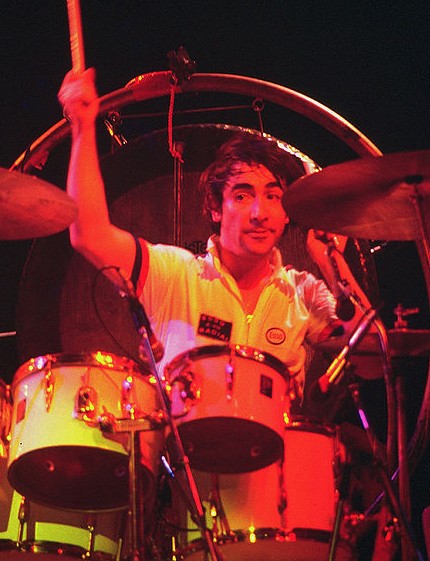
Moon’s technique emphasized momentum, colour and extreme fills rather than strict metronomic timekeeping. He frequently used rapid tom-tom passages, rolling fills and dramatic accents to propel songs forward. His use of space and sudden bursts of sound helped redefine how drums could function as a lead instrument in rock music. Instrument-wise he favored large, highly configured kits that allowed him to move around the drums with fluidity and invention.
Notable traits and stage behaviour
- Explosive fills and a flurrying tom-oriented sound that contrasted with more conservative rock drumming.
- Stage antics and a reputation for destruction — behaviour that became a part of The Who’s mythos.
- Heavy drinking and a volatile personal life; his excesses affected both performances and band logistics.
Career and recorded work
Moon played on The Who’s key studio albums and singles from their 1960s breakthrough onward, contributing memorable parts to songs such as "My Generation," "Pinball Wizard," "Baba O'Riley" and "Won't Get Fooled Again." He also released a solo album, which explored different material than his work with the band. The Who continued to be shaped by the contrast between Moon’s bombastic drumming and Pete Townshend’s songwriting and guitar work.
Personal life, incidents and death
Moon’s off-stage life received as much attention as his performances. He was associated with headline-making episodes — from property damage to chaotic hotel-room stories — that reinforced his public image. He died in 1978 in London, specifically in the Mayfair area, of an accidental drug overdose. After his death, his legacy continued to be reassessed by musicians and fans.
Legacy and recognition
Moon is widely cited among the most influential rock drummers of his generation. Critics and fellow musicians admire his imagination, showmanship and ability to use the drum kit as a dramatic, musical presence. In 1990 he was inducted into the Rock and Roll Hall of Fame as a member of The Who. His story is often discussed in accounts of 1960s and 1970s rock culture, drug use and the costs of fame. For further reading on his technique and biography see resources on drumming, the history of the band and analyses of his use of rhythmic fills.
Moon’s life and work remain subjects of biographies, documentaries and ongoing commentary that examine both his innovations behind the kit and the personal demons that accompanied his career. For general background and archival material, consult histories of British rock and period accounts that place his contributions in context of the era.
Related articles
Author
AlegsaOnline.com Keith Moon (1946–1978) — English rock drummer and member of The Who Leandro Alegsa
URL: https://en.alegsaonline.com/art/123501