
Drummer: role, instruments, history and musical contexts
An overview of the drummer: definition, instruments and parts, historical development, musical roles (band, marching, studio), skills, practice approaches and key distinctions.
Overview
A drummer is a musician who plays percussion instruments and typically provides rhythm, timekeeping and dynamic support for an ensemble. Many drummers perform on a drum kit or set of drums — often called simply drums — either as a job or a hobby. Drummers may appear in rock, jazz, pop, classical, military or community ensembles and can work as touring members, studio professionals or amateur players.
Image gallery
6 Images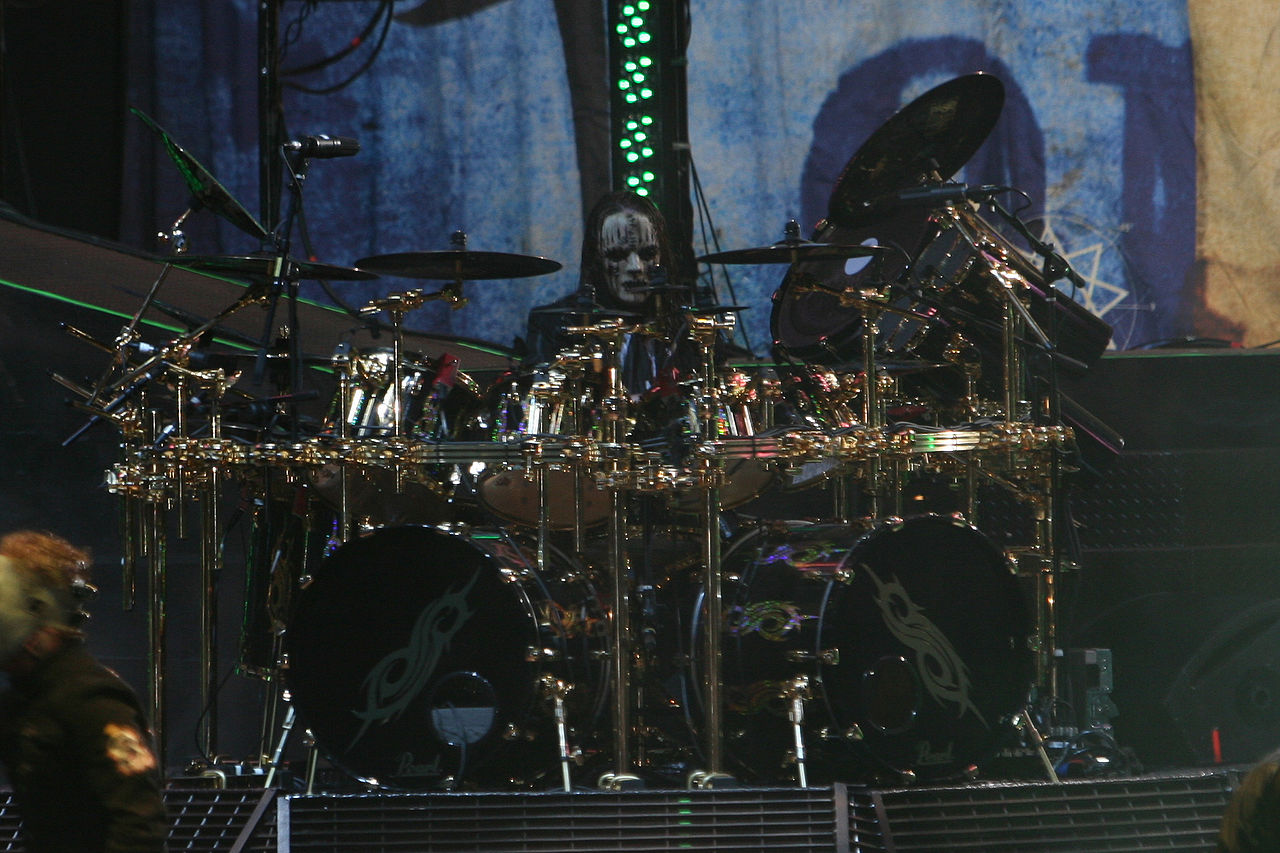



Instruments and characteristics
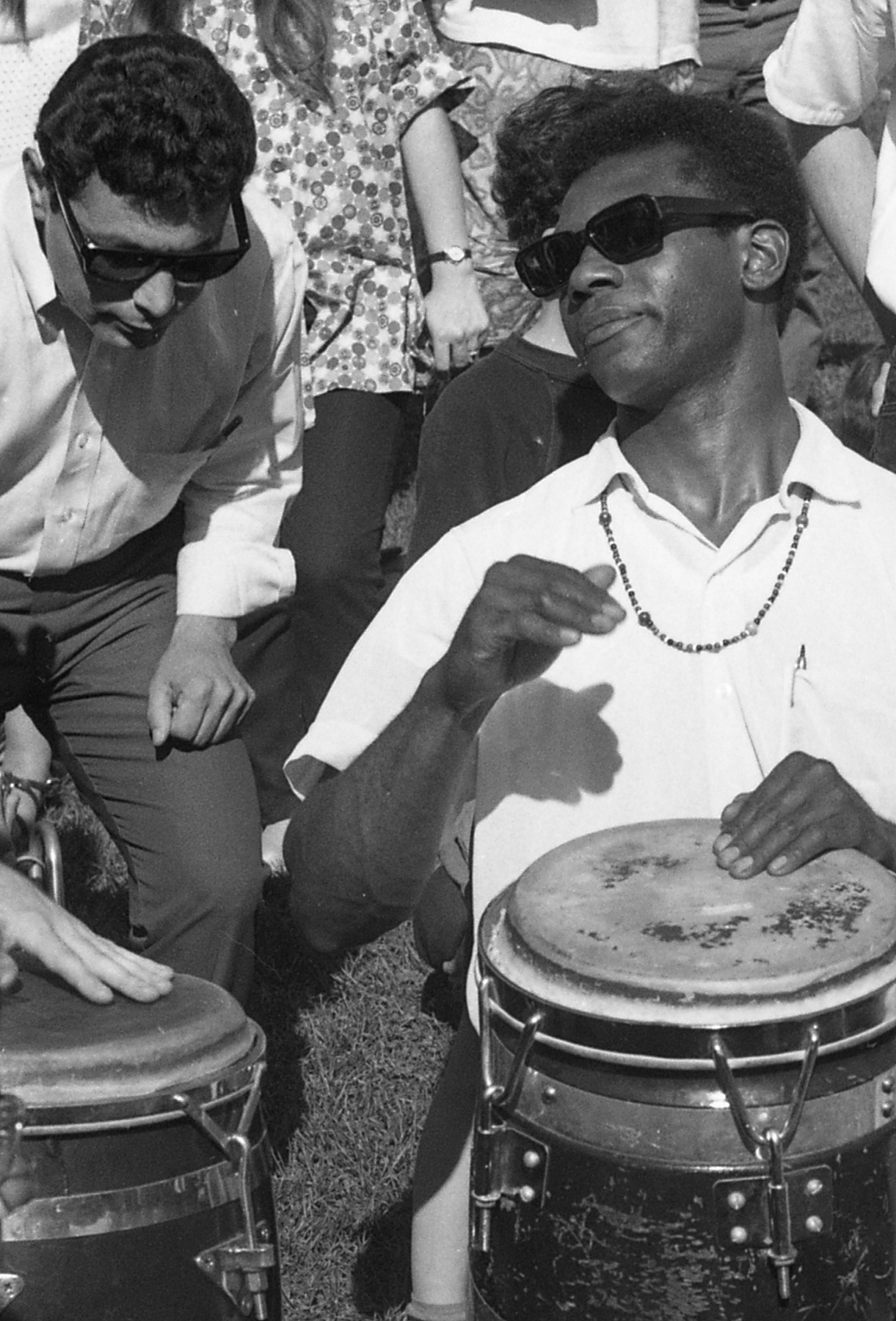
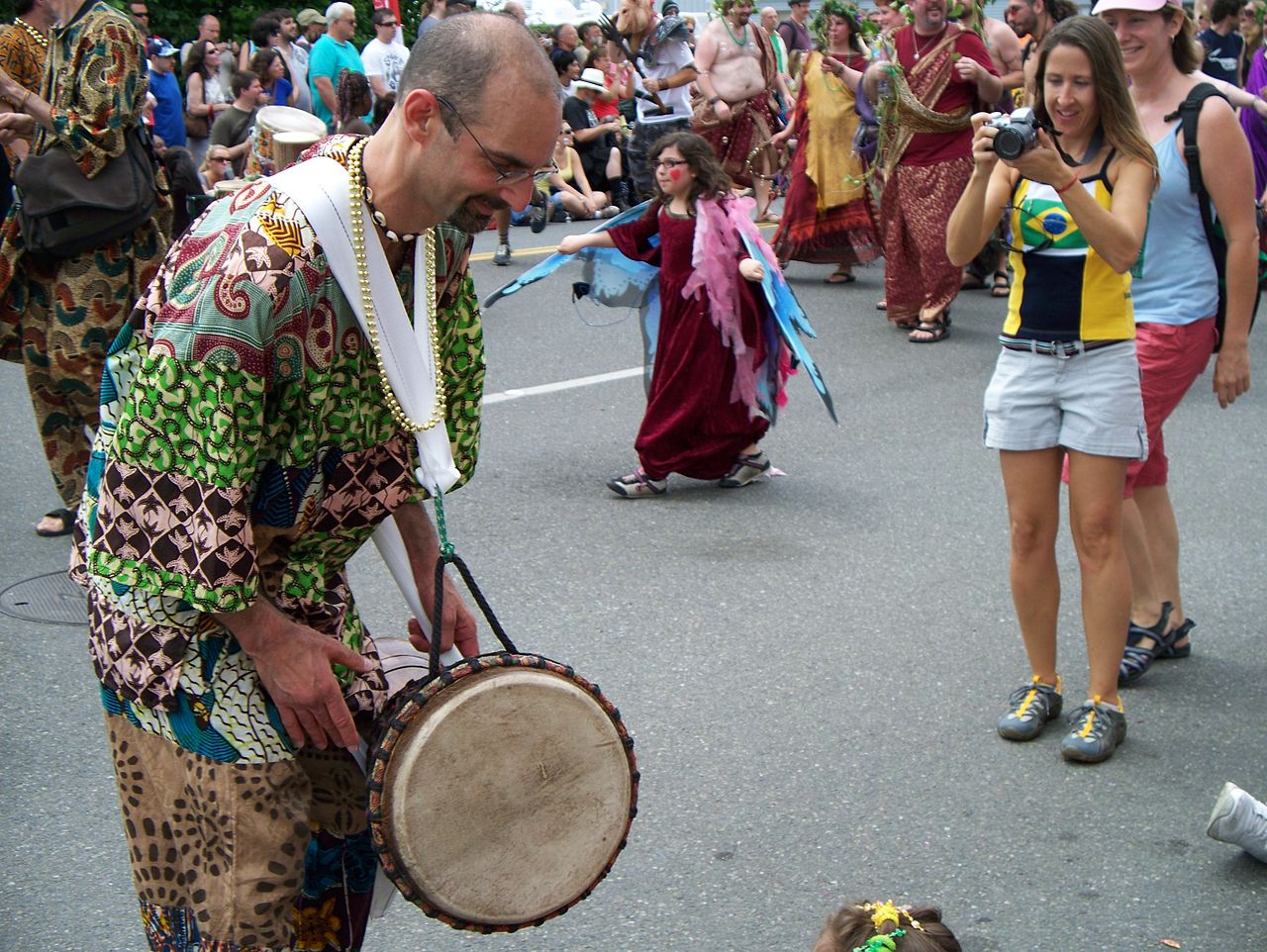
The most familiar instrument for a contemporary drummer is the drum kit: a compact assembly of a bass drum, snare drum, toms and several cymbals with pedals and hardware. Other common contexts use single drums or multiple percussion instruments, including snare lines in marching bands, timpani in orchestras, hand drums in world music, and auxiliary percussion such as tambourines or shakers.
- Core kit parts: bass drum, snare, toms, hi-hat, ride and crash cymbals.
- Skills: steady timekeeping, dynamic control, limb independence, rudiments and reading notation.
- Techniques: groove building, fills, tempo transitions and ensemble communication.
History and development
Drumming has ancient roots in ritual and military use; drums historically signaled movements and boosted morale. Over centuries, drum functions expanded into folk and theatrical settings. The modern drum kit evolved when percussionists combined multiple drums and cymbals for one player, enabling a single drummer to cover bass and rhythmic accents in early 20th-century popular music and the rise of jazz.
Roles and contexts
Drummers serve different functions depending on the setting. In a rock or pop band they lock in the groove and shape arrangements; in jazz they provide interactive accompaniment and soloing space; in orchestral or pit settings percussionists follow a conductor and read complex scores. Marching or military drummers maintain cadence and ceremonial tradition — a lineage still visible in parades and some formal ensembles (military drumming).
Uses, practice and professional work
Many drummers practice rudiments, metronome work and stylistic repertoire to develop timing and touch. Professional drummers may work as session musicians, recording parts for other artists, or as touring members and educators. Session work demands adaptability: a session musician is expected to play parts that fit a song’s arrangement and recording goals, often with minimal rehearsals.
Distinctions and notable facts
Not all percussionists are drummers in the same sense: orchestral percussionists often specialize in mallet instruments and timpani, while drumline performers focus on precise ensemble marching techniques. Drumming also intersects with composition, production and cultural expression, and remains central to ensemble cohesion because the drummer anchors tempo, feel and energy for other musicians.
For further basic information about instruments, careers and learning resources see introductory overviews of drums, job pathways for musicians (work resources), community and hobbyist programs (hobbies), and historical treatments of military drumming traditions.
Related articles
Author
AlegsaOnline.com Drummer: role, instruments, history and musical contexts Leandro Alegsa
URL: https://en.alegsaonline.com/art/29032