
Joseph Swan (1828–1914): Inventor of the practical incandescent lamp
English physicist and chemist Joseph Swan developed an early practical incandescent light bulb and helped bring electric domestic lighting into use; he was later knighted and widely honored.
Overview
Sir Joseph Wilson Swan (31 October 1828–27 May 1914) was an English physicist and chemist best known for developing an early, practical incandescent electric lamp. Working in the later 19th century, Swan produced carbon-filament lamps and refined vacuum and filament techniques that made long-lasting artificial light possible for homes and institutions. His work ran in parallel with other inventors of the era and helped establish electric lighting as a viable technology for domestic and public use.
Image gallery
7 Images


Key characteristics and innovations
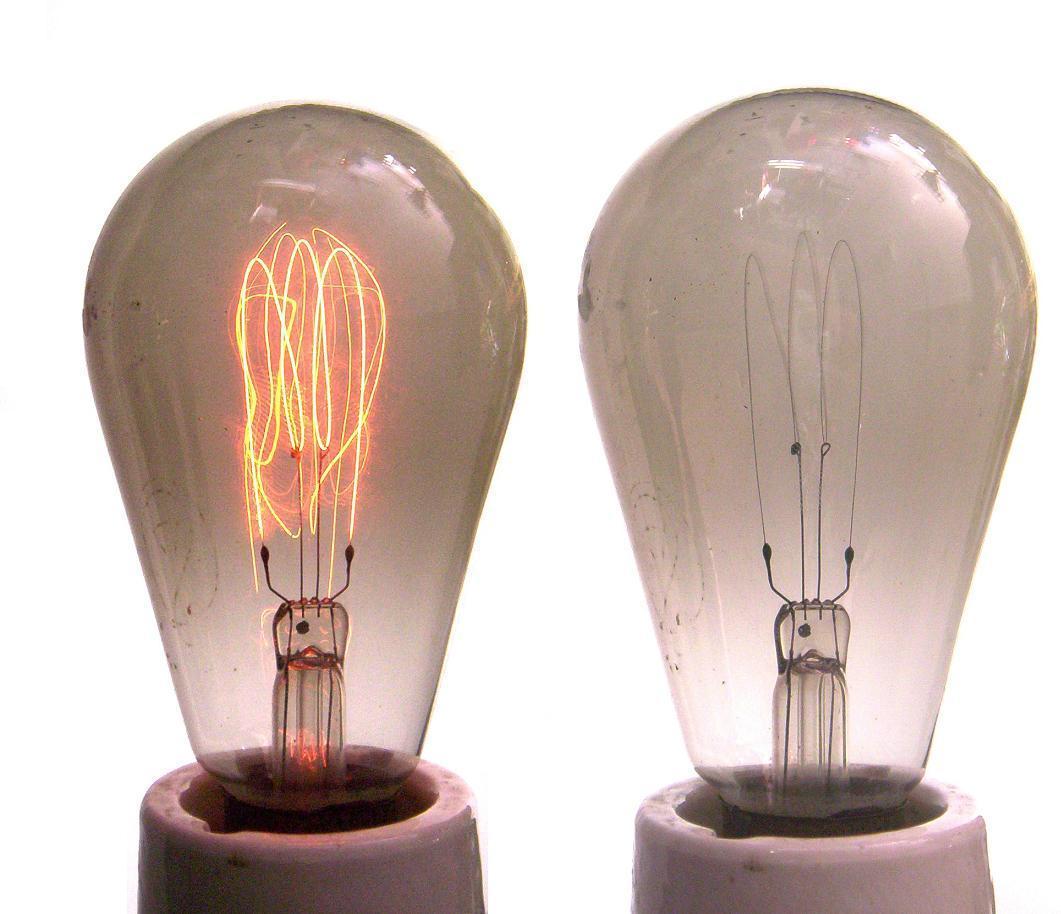
Swan's lamps relied on a carbonized filament contained within a glass bulb evacuated of air. By reducing the oxygen around the hot filament and choosing resilient filament materials, his devices burned for longer periods than earlier attempts at electric lighting. He combined practical chemical knowledge with an understanding of glassblowing and vacuum technology to improve the durability and usefulness of the lamp. Beyond the lamp itself, Swan applied photographic and chemical techniques to manufacture and test filaments and coatings.
History and development
Working in the late 1870s and early 1880s, Swan demonstrated incandescent lighting in public and private settings and obtained intellectual property protection for his methods. His installations included some of the first domestic electric lighting systems, and his demonstrations influenced both public perception and commercial interest in electric illumination. In Britain, legal and commercial interactions between Swan and contemporaries who pursued similar goals resulted in cooperative arrangements to manufacture and market lamps, accelerating wider adoption.
Uses, impact, and legacy
Swan's contributions helped transition lighting from gas and oil to electricity in homes, theaters, and public buildings. The practical incandescent lamp changed interior architecture, work patterns, and social life by providing safer, cleaner, and more controllable light. Although later improvements—different filament materials and higher-quality vacuums—further extended lamp life and efficiency, Swan's early successes were an important step toward everyday electric lighting.
Honors and notable facts
- He received international recognition during major exhibitions where electric lighting was showcased.
- In 1904 he was knighted and received the Royal Society's Hughes Medal, reflecting his scientific and practical achievements.
- He also earned honors abroad and held honorary positions in professional societies for his contributions to applied chemistry and technology.
Further reading and references
For concise biographical summaries and collections of primary material see a general biography and curated collections of letters and patents at specialist archives such as regional historical resources. Overviews comparing contemporaneous inventors and technologies are available from educational and technical histories at history of technology sites and scholarly summaries at academic repositories. These sources place Swan's work in the broader context of 19th-century electrical engineering and industrial innovation.
Questions and answers
Q: Who was Joseph Swan?
A: Joseph Wilson Swan was an English physicist and chemist.
Q: What is Joseph Swan well known for?
A: Joseph Swan is well known for creating the incandescent light bulb.
Q: Who created the incandescent light bulb first, Joseph Swan or Thomas Edison?
A: Joseph Swan created the incandescent light bulb about a year before Thomas Edison.
Q: What was special about Joseph Swan's house?
A: Joseph Swan's house was the first in the world to be lit by electric light bulbs.
Q: What awards and honors did Joseph Swan receive?
A: Joseph Swan was knighted, awarded the Royal Society's Hughes Medal, and made an honorary member of the Pharmaceutical Society. He also received the Légion d'honneur, the highest award in France.
Q: When did Joseph Swan receive the Légion d'honneur and why?
A: Joseph Swan received the Légion d'honneur when he visited an international exhibition in Paris in 1881, which included exhibits of his inventions, and the city was lit with electric light, thanks to Swan's invention.
Q: What year did Joseph Swan pass away?
A: Joseph Swan passed away on May 27, 1914.
Related articles
Author
AlegsaOnline.com Joseph Swan (1828–1914): Inventor of the practical incandescent lamp Leandro Alegsa
URL: https://en.alegsaonline.com/art/122946
Sources
- micro.magnet.fsu.edu : "Molecular Expressions: Science, Optics and You - Timeline - Joseph Swan"