
Joseph Wapner — American Judge and Television Court Pioneer
Joseph A. Wapner (1919–2017) was a Los Angeles judge who became the first television arbiter on The People's Court, helping create the template for modern reality courtroom shows.
Joseph Albert Wapner (November 15, 1919 – February 26, 2017) was an American jurist best known for bringing courtroom arbitration to television audiences. After a long career on the bench in Los Angeles, he became the inaugural presiding figure on the syndicated program The People's Court, where his demeanor and approach helped popularize a format that remains influential in broadcast and streaming media.
Image gallery
1 Image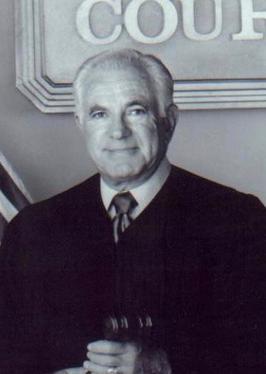
Legal career and background
Wapner served as a judge in the Los Angeles court system before retiring from the bench and moving into television. His work as an ordinary-citizen jurist—often handling small-claims matters and disputes that involved everyday concerns—gave him the experience and reputation that producers sought when creating a program intended to dramatize and resolve real disputes on air.
Television and The People's Court
Beginning in 1981, Wapner presided over The People's Court in a format that relied on binding arbitration rather than formal court proceedings. The program presented litigants who agreed to have their disputes decided on camera, and Wapner's measured, explanatory style made legal concepts accessible to viewers. He remained the show's judge through much of its initial run and became widely known simply as "Judge Wapner."
Style, influence, and public significance
Wapner's on-screen approach favored calm authority, plain language, and concise legal explanation. Critics and television historians credit him with helping to establish the procedural and aesthetic conventions of reality courtroom programming, a genre later occupied by other well-known television judges. His presence on TV contributed to broader public interest in small-claims procedures and dispute resolution outside traditional courtrooms.
Later life, death, and legacy
Wapner lived into his late nineties and made occasional media appearances after leaving regular television work. He died on February 26, 2017, under hospice care in Los Angeles from respiratory failure at age 97. His career is often cited as a milestone in the crossover of legal professionals into popular culture and as a key influence on the many arbitration-based courtroom shows that followed.
Further information
Related articles
Author
AlegsaOnline.com Joseph Wapner — American Judge and Television Court Pioneer Leandro Alegsa
URL: https://en.alegsaonline.com/art/122948
Sources
- emmytvlegends.org : Joseph A. Wapner Interview
- nydailynews.com : "'People's Court' judge Joseph Wapner dead at 97"