
Red blood cell (erythrocyte)
Red blood cells (erythrocytes) are the oxygen-carrying cells of blood; they have a distinctive biconcave shape, contain hemoglobin, and are produced in bone marrow with a lifespan of about 120 days.
Overview: Red blood cells, also called erythrocytes or red blood corpuscles, are the most abundant cell type in human blood. Their primary role is to transport oxygen from the lungs to tissues and to assist with carbon dioxide removal. In adults the concentration typically ranges in the millions per microliter of blood, with males usually having somewhat higher counts than females.
Image gallery
10 Images


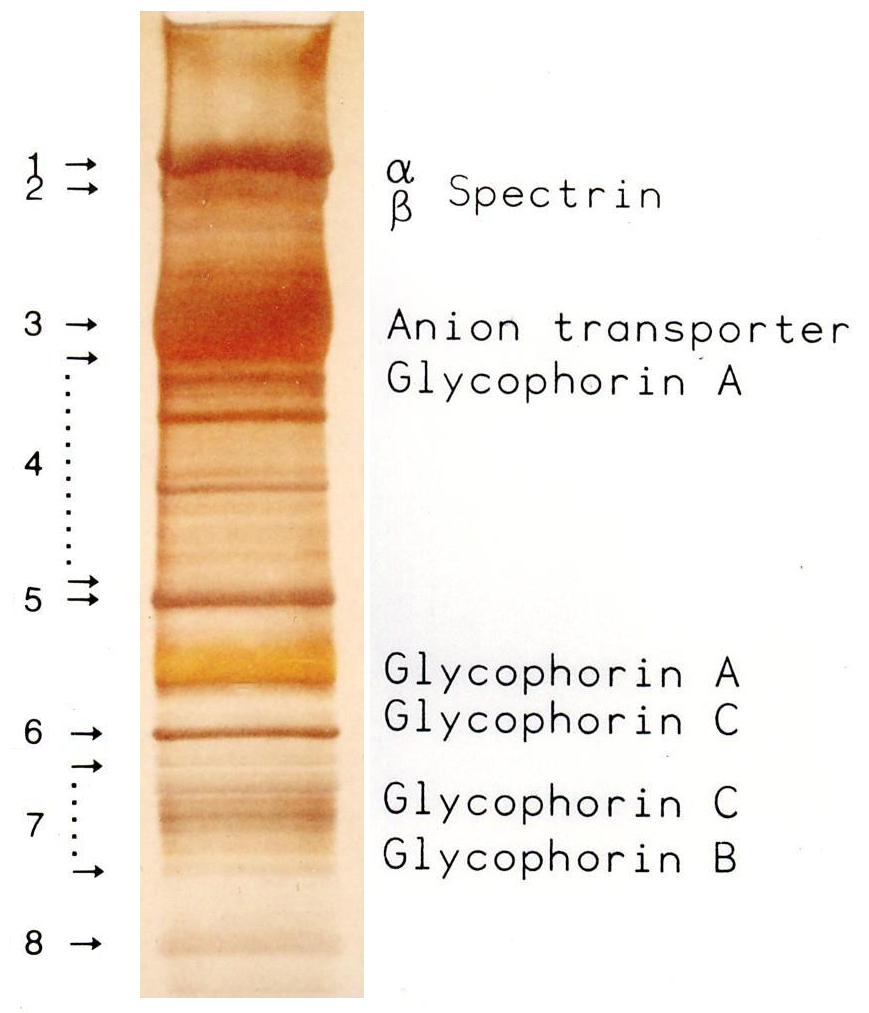

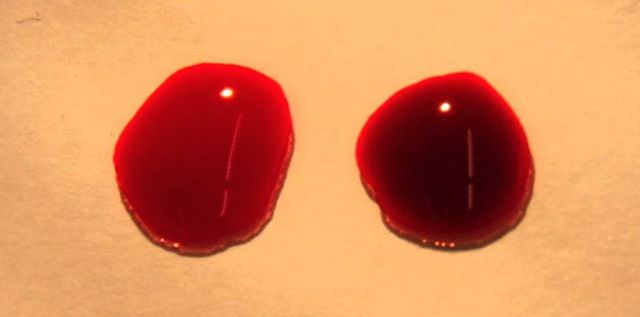

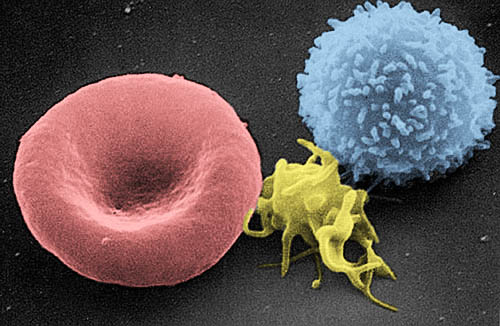
Structure and distinguishing features
Mammalian red blood cells are notable for their biconcave disc shape, which increases surface area for gas exchange and allows flexible passage through narrow capillaries. Mature human erythrocytes lack a nucleus and most organelles, maximizing space for the oxygen-binding protein hemoglobin. Hemoglobin contains iron and gives red blood cells their characteristic color.
Production, lifespan and removal
Erythrocytes are produced by erythropoiesis in bone marrow under hormonal regulation (e.g., erythropoietin). A healthy red blood cell circulates for about 100–120 days before being removed by the spleen and liver, where its components are recycled. Disruption in production or premature destruction alters blood counts and oxygen delivery.
Functions and clinical importance
Beyond oxygen delivery and carbon dioxide transport, red blood cells contribute to acid–base balance and blood viscosity. Clinically, deviations from normal counts or shape can indicate disease: anemia denotes low red cell mass or hemoglobin; polycythemia is an excess of cells; inherited disorders such as sickle cell disease change cell shape and function. Laboratory measures (RBC count, hemoglobin, hematocrit, mean corpuscular volume) help diagnose and monitor many conditions.
Notable facts and distinctions
- Non-mammalian vertebrates often retain nuclei in their red blood cells.
- Red blood cells have inspired medical diagnostics and treatments, including transfusion medicine and therapies targeting hemoglobin disorders.
- Alterations in red cell number or appearance are among the most common findings in routine blood tests.
For introductory summaries and further reading on physiology and disorders, see basic hematology resources and reviews. Additional technical details are available through specialized texts and clinical guidelines.
Questions and answers
Q: What are red blood cells?
A: Red blood cells, also known as RBCs, red blood corpuscles or erythrocytes, are cells in the blood that transport oxygen.
Q: What is the function of red blood cells?
A: The function of red blood cells is to transport oxygen to different parts of the body.
Q: How many red blood cells are there in a microlitre of blood in women?
A: In women, there are about 4.8 million red blood cells per microliter of blood.
Q: How many red blood cells are there in a microlitre of blood in men?
A: In men, there are 5.4 million red blood cells per microliter of blood.
Q: Why are red blood cells red?
A: Red blood cells are red because they have hemoglobin in them.
Q: What is the role of hemoglobin in red blood cells?
A: Hemoglobin in red blood cells binds and carries oxygen to different parts of the body.
Q: What happens if there is a deficiency in red blood cells in the body?
A: Deficiency in red blood cells leads to anemia, which can cause symptoms like fatigue, weakness, and shortness of breath.
Related articles
Author
AlegsaOnline.com Red blood cell (erythrocyte) Leandro Alegsa
URL: https://en.alegsaonline.com/art/81628
Sources
- wisc-online.com : "General Anatomy & Physiology: Red Blood Cells"
- webmd.com : "What Is a Complete Blood Count?"
- medsci.org : "Gene expression analysis of human red blood cells"
- ncbi.nlm.nih.gov : 2677714
- pubmed.ncbi.nlm.nih.gov : 19421340
- nytimes.com : "Scientists explore ways to lure viruses to their death"
- solarnavigator.net : "Carbon dioxide"