
Botulism: causes, symptoms, treatment, prevention and medical uses
Botulism is an uncommon but serious paralytic illness caused by the toxin of Clostridium botulinum. This article explains causes, clinical features, diagnosis, treatment, prevention and therapeutic uses of the toxin.
Botulism is an acute neuroparalytic illness caused by toxins produced by the bacterium Clostridium botulinum. The condition is characterized by a flaccid, descending paralysis that can progress to respiratory failure if untreated. The botulinum neurotoxin is among the most potent biological toxins known and acts by blocking neurotransmitter release at the neuromuscular junction. Although rare in many countries, botulism is a medical emergency and requires rapid recognition and treatment.
Image gallery
4 Images


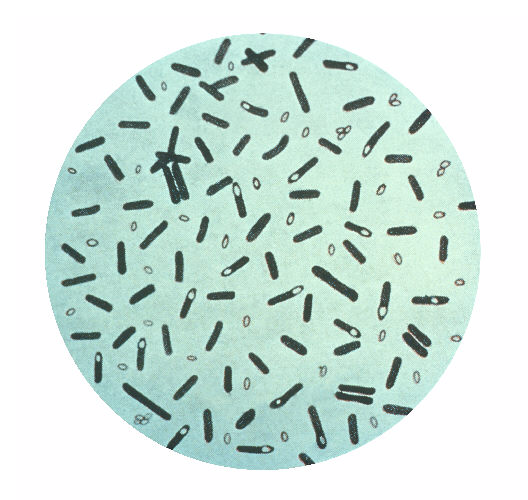
Agent and how infection occurs
C. botulinum is a gram‑positive, spore-forming, obligate anaerobe. The bacterium produces several distinct toxin types; exposure to these toxins, rather than invasion by the organism itself, causes the characteristic paralysis. Infection or intoxication can occur in several ways: ingestion of preformed toxin in contaminated food (foodborne botulism), colonization of the infant gut followed by in situ toxin production (infant botulism), introduction of the organism into a wound (wound botulism), or via medical use of botulinum toxin preparations (iatrogenic botulism). Inhalational exposure has been considered in biodefense contexts but is uncommon outside laboratory incidents.
Signs and symptoms
Early features typically include cranial nerve dysfunction: blurred vision, drooping eyelids, double vision, dry mouth, slurred speech and difficulty swallowing. Weakness usually descends from the head and neck to the limbs and can culminate in respiratory muscle paralysis. Fever is not a prominent feature; gastrointestinal symptoms such as nausea or vomiting may precede neurologic findings when toxin is ingested. In infants, symptoms often begin with poor feeding, constipation and generalized hypotonia ("floppy" baby).
Diagnosis and management
Diagnosis relies on clinical recognition plus laboratory confirmation when possible — detection of toxin in serum, stool or implicated food, or isolation of the organism from wound or stool. Early treatment with specific antitoxin can halt progression by neutralizing circulating toxin; supportive care, particularly respiratory support and mechanical ventilation when necessary, is crucial. For infant botulism, human-derived immune globulin preparations are used. Wound botulism management includes wound care and antibiotics appropriate for anaerobic organisms. Prompt consultation with public health authorities and toxin/toxoids resources is standard practice.
Prevention and public health
Preventive measures focus on food safety and wound hygiene. Proper commercial and home canning techniques, adequate heating of suspect foods, and avoiding giving untreated honey or honey-containing products to infants under one year of age reduce risk; honey can contain spores that cause infant colonization. Safe injection practices and dose control limit iatrogenic cases related to therapeutic toxin use. Surveillance and public education are important for outbreak control and food safety enforcement.
Therapeutic and historical notes
Despite its toxicity, purified botulinum toxin has accepted medical and cosmetic indications when used in controlled, minute doses. Products such as Botox are used to treat conditions like focal dystonia, muscle spasticity, chronic migraine and for reduction of facial wrinkles. Historically, 19th-century clinicians described foodborne clusters of paralysis, and the bacterium was isolated in the late 1800s; ongoing research explores improved antitoxins, detection methods and safe therapeutic applications. For more clinical guidance and public health resources see clinical guidance, laboratory testing, prevention tips and treatment resources.
Tags
Related articles
Author
AlegsaOnline.com Botulism: causes, symptoms, treatment, prevention and medical uses Leandro Alegsa
URL: https://en.alegsaonline.com/art/13280