
John McEnroe
American former world No. 1 tennis player, celebrated for his serve-and-volley craft, multiple Grand Slam titles, fierce on-court temperament, and later work as a broadcaster and coach.
Overview
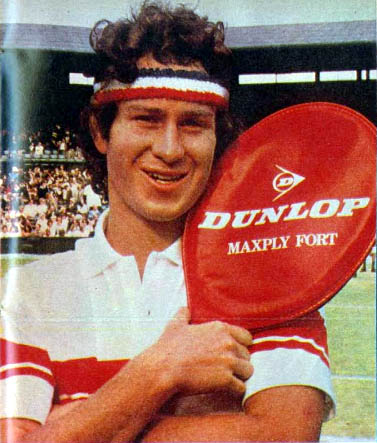
John McEnroe (born February 16, 1959) is an American former professional tennis player who became one of the sport's best-known personalities during the late 1970s and 1980s. Raised in Douglaston, Queens, New York, he turned professional in 1978 and rose quickly to the top of the world rankings. McEnroe combined exceptional touch and volleying ability with an outspoken temperament that made him both admired and controversial. Off the court he has written, worked in television broadcasting, and remained a prominent voice in tennis circles; he was married to actress Tatum O'Neal from 1986 to 1994.
Image gallery
10 Images



Career highlights and records
McEnroe won multiple Grand Slam singles and doubles titles during his career and was noted for his success at both Wimbledon and the U.S. Open. He reached the world No. 1 ranking in singles and also held the top ranking in doubles, reflecting his all-court strengths. Many tennis historians list him among the greatest serve-and-volley players because of his quick hands, angled volleys and tactical feel at the net.
- Grand Slam success: major titles in singles and doubles, with notable wins at Wimbledon and the U.S. Open.
- World ranking: attained the No. 1 position in singles and was a fixture near the top of the game through the early 1980s.
- Doubles and teamwork: acclaimed doubles specialist as well as a singles champion, contributing to team events and Davis Cup ties.
Playing style and personality
McEnroe was a left-handed player famous for his serve-and-volley game, delicate touch, and ability to construct points around quick, precise net play. He combined natural feel with aggressive court positioning, often putting pressure on opponents by rushing the net. Equally famous was his volatile on-court behavior: McEnroe frequently argued with officials, contested line calls, and expressed frustration in colorful terms. His confrontations with umpires and line judges became as much a part of his public image as his shot-making. Discussions of his temperament and exchanges with the chair umpire remain part of sports culture.
Rivalries and memorable matches
McEnroe's career featured several high-profile rivalries that helped define an era of tennis. His matches against players like Björn Borg drew large audiences and are remembered for contrasting styles: Borg's baseline consistency versus McEnroe's net artistry. These encounters produced some of the sport's most dramatic and watched finals. Readers can find match recaps and analyses through various sports archives and retrospectives (rivalries).
Controversies and the "You cannot be serious!" moment
One of the most enduring images of McEnroe is his public disputes with officials and occasional fines or penalties handed down by tournament authorities. His 1981 outburst at Wimbledon—famously summarized by the shout "You cannot be serious!"—became a cultural touchstone and is often cited when discussing on-court etiquette and player conduct. That moment and others shaped debates about sportsmanship, the role of officials, and the balance between passion and professionalism in elite competition.
Later career and legacy
After retiring from full-time tour play McEnroe remained active in tennis as a commentator, analyst, occasional coach and participant in senior events. He has been a visible presence on television and in public debates about the modern game, lending his experience to commentary and instruction. For readers seeking further context on his life and work, see a general biography and career overviews or a dedicated retired players' resources. His influence is also discussed in pieces about tennis history and memorable rivalries (personal life and public roles), and his matches remain frequently cited in retrospectives about Wimbledon and the U.S. Open.
McEnroe's combination of technical brilliance, competitive intensity and outspoken personality helped make tennis a more widely discussed sport in his era. Whether celebrated for his artistry at the net or criticized for his temper, he has left a lasting imprint on the game and popular culture that continues to be examined and debated in sports writing and broadcasts (roots, character, official relations, notable rivalries, contemporaries).
Related articles
Author
AlegsaOnline.com John McEnroe Leandro Alegsa
URL: https://en.alegsaonline.com/art/122577
Sources
- atpworldtour.com : "John McEnroe"
- nytimes.com : "John McEnroe Is Still Pretty Complicated"
- John McEnroe