
Tennis: rules, equipment, history, tournaments and playing styles
Comprehensive overview of tennis: equipment, surfaces, rules and scoring, historical origins, major tournaments and tours, playing styles, etiquette, and recreational and adaptive forms.
Overview
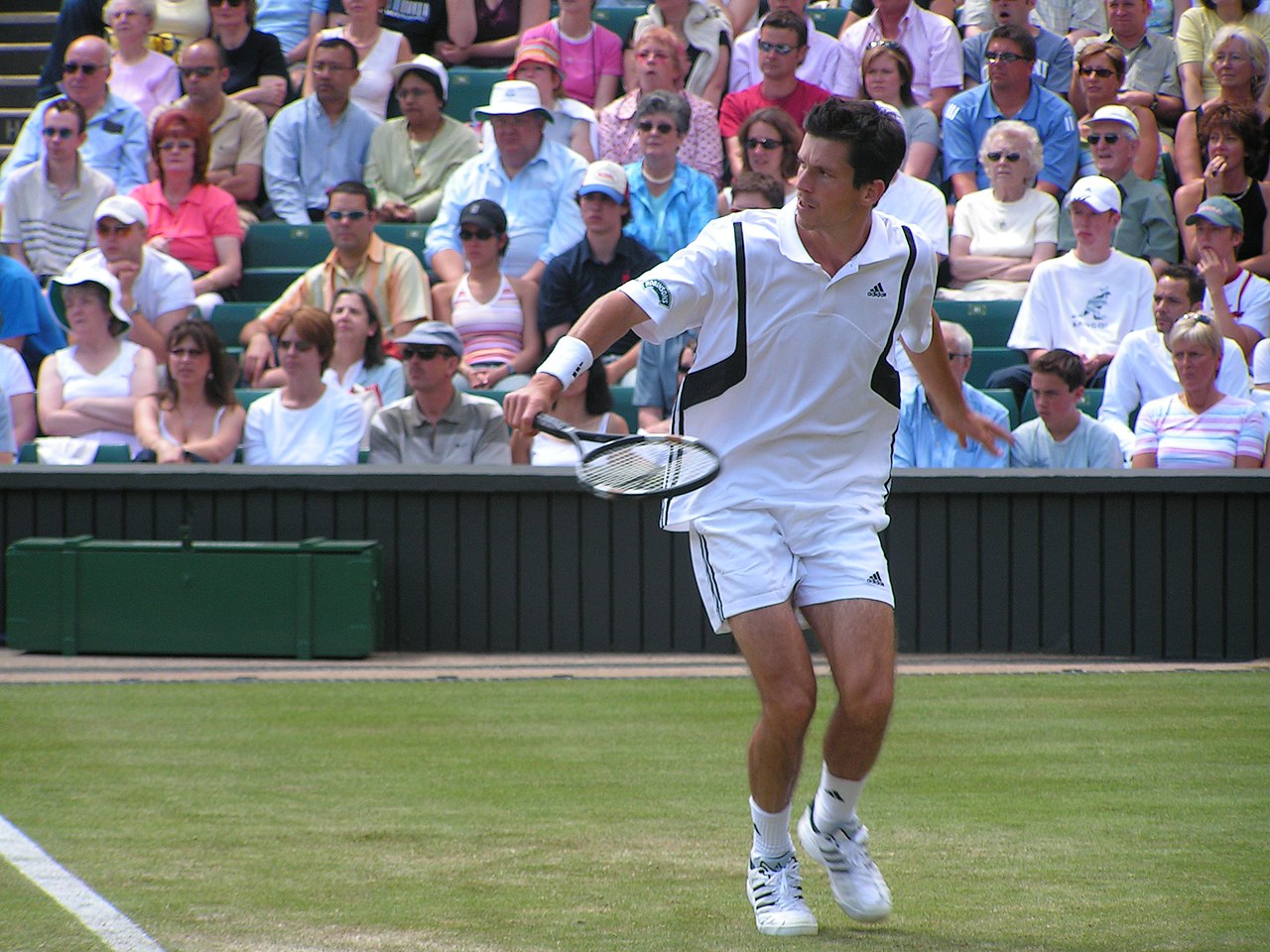
Tennis is a racket sport played between two players (singles) or two teams of two (doubles). Players use a stringed racket to strike a felt-covered rubber ball across a net and win points by forcing an opponent to fail to return the ball in play. Matches take place on a marked rectangular court, and the sport is played at recreational, club and professional levels worldwide. For a concise general introduction see tennis overview.
Image gallery
10 Images





Equipment and court
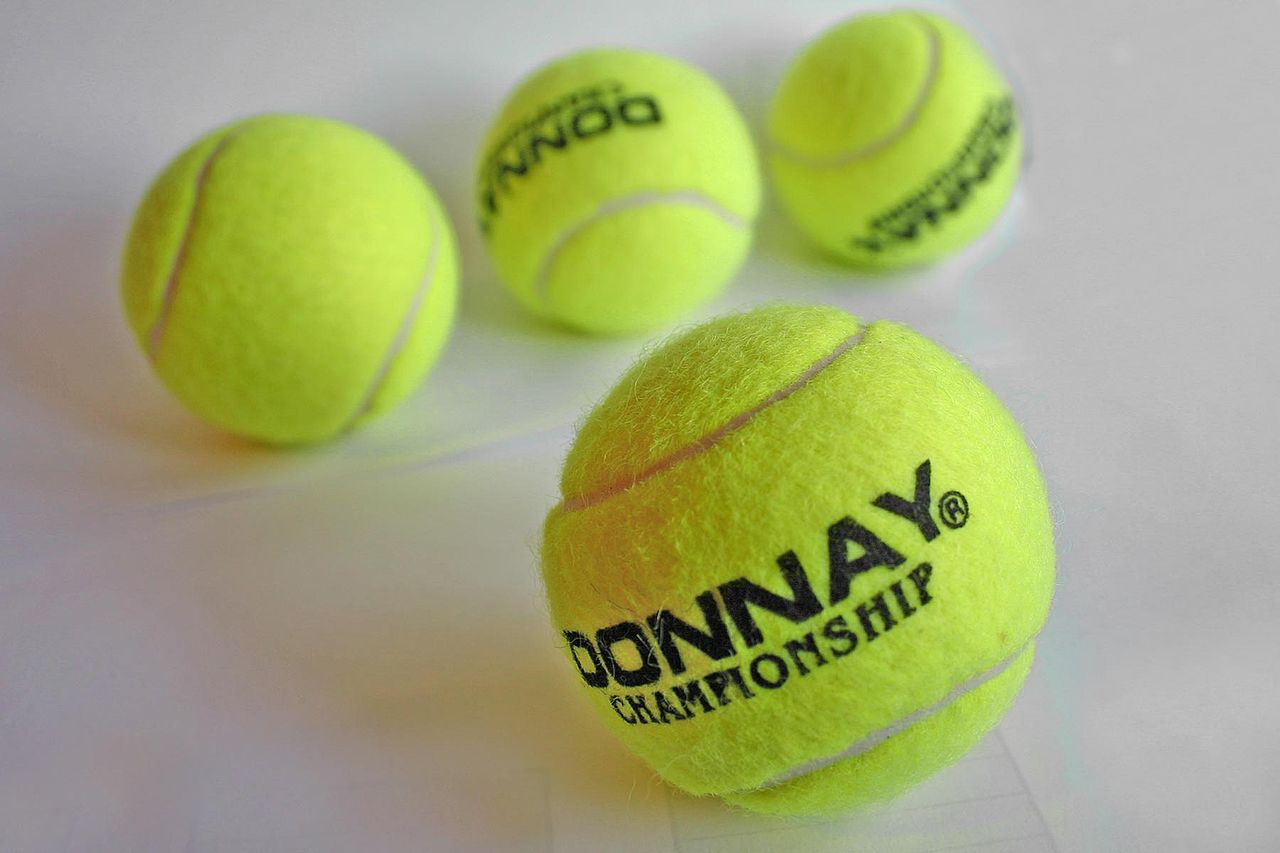
Standard equipment includes a racket, pressurised or pressureless balls, appropriate shoes and often supportive apparel. Modern rackets are made from composite materials such as graphite and carbon fiber and vary in head size, weight and string pattern, which influence power and control. Tennis balls are rubber with a felt covering; competitive events regulate ball condition and type to ensure consistent bounce and durability. Rules and specifications for the ball and other gear are summarized in official materials, for example official rules and technical notes on the ball.
Courts are classified by surface: grass, clay, hard (acrylic or similar overlays on concrete or asphalt) and some indoor or synthetic carpets. Surface choice alters ball speed and bounce and therefore favours different styles—grass tends to be faster with lower bounce, clay slows play and yields higher bounce, and hard courts sit between these extremes. Courts are marked with baseline, service lines and sidelines separating singles and doubles areas; a central net divides the two sides.
Basic rules and scoring
A match is organised into points, games and sets. Points follow traditional terms (15, 30, 40) and can proceed to deuce and advantage when players are tied near the end of a game. Sets are typically won by the first player to reach six games with a margin of two; many competitions use tie-breaks to decide a 6–6 set. Matches are commonly best-of-three sets or, in some events, best-of-five. The server alternates sides and serves to start each point; faults (including double faults) and foot faults are rule violations that can cost points. A let is a serve that is replayed, most commonly because of net contact followed by a legal service. Detailed point and match procedures are set out in the sport’s governing rulebooks and summaries at official rules.
History and development
Tennis traces its roots to medieval hand-ball games such as the French jeu de paume, originally played indoors and later with gloves and rackets by nobility. That older indoor form survives as real tennis (sometimes called royal tennis). The modern outdoor game known as lawn tennis was formalised in Britain in the nineteenth century and spread internationally as clubs and tournaments developed; a popularised version appeared in the 1870s. England and France were important early centres in this evolution and helped codify rules and equipment standards; see historical summaries for England and France.
Formats, major competitions and organisation
Professional tennis is organised into tours for men (ATP) and women (WTA), and national team competitions and multi-sport events also feature the sport. The four Grand Slam tournaments—the Australian Open, the French Open (Roland-Garros), Wimbledon and the US Open—are the most prestigious annual events and differ by surface, tradition and scheduling. Other significant events include team competitions and season-ending championships; tennis is also contested at the Olympic Games.
Playing styles, strategy and distinctions
Players develop styles adapted to surface and physique. Serve-and-volley players rush the net after a strong serve to finish points quickly; baseliners engage in longer rallies using heavy groundstrokes and topspin to control depth and angles; all-court players mix approaches to exploit openings. Doubles emphasises coordination, poaching and team tactics, while mixed doubles pairs one woman and one man and is common at social and professional levels.
Etiquette, accessibility and variations
Tennis has a well-established etiquette: players generally call lines for themselves in informal play, accept the chair umpire’s decisions in higher-level matches, shake hands or acknowledge opponents after a match and follow protocols around warm-up, coaching and time between points. Adaptive forms of the sport include wheelchair tennis, which uses similar rules with specific adaptations and is a Paralympic discipline. Recreational programmes, junior development and community courts help sustain participation worldwide.
Tennis combines physical fitness, tactical thinking and equipment- and surface-driven technique. For further reading and technical detail consult general information and specialised notes on the sport, the racket, the ball and the court, and official rules and histories at official rules, England and France.
Questions and answers
Q: What is tennis?
A: Tennis is a sport played with a felt-covered rubber ball, a tennis racket, and a court.
Q: When is Tennis Day celebrated?
A: Tennis Day is celebrated on September 23 every year since 1998.
Q: What was tennis originally called?
A: Tennis was originally called "lawn tennis".
Q: Where and when did the sport of tennis originate?
A: The sport of tennis originated in France in the 11th century as "Jeu de Paume" and later evolved to be played with rackets. The name "tennis" was adopted, and it became popular in England and France. The modern version, "lawn tennis," was invented in mid-19th century England.
Q: Who was a big fan of tennis in France?
A: King Henry III of France was a big fan of the game.
Q: What is real tennis?
A: Real tennis is a game similar to tennis that is still played, but it is known as "real" because it was originally played by royalty.
Q: What is the common shortened name for lawn tennis?
A: The common shortened name for lawn tennis is simply "tennis".
Related articles
Author
AlegsaOnline.com Tennis: rules, equipment, history, tournaments and playing styles Leandro Alegsa
URL: https://en.alegsaonline.com/art/97001
Sources
- countrylife.co.uk : The True Home of Tennis
- itftennis.com : History of Tennis