
Rivalry: Causes, Types, and Effects in Business, Sport, Family, and International Relations
Overview of rivalry: causes, types (business, sport, family, international), dynamics and effects—how competition can spur innovation or cause conflict, with common examples, outcomes and approaches to managing rivalries.
Rival describes a person or group that competes with another for the same goal and aims to outperform them. When two or more parties pursue the same prize, position, customers or recognition, the situation is called rivalry. Rivals are often similar in strength or ability, though not always.
Image gallery
6 Images


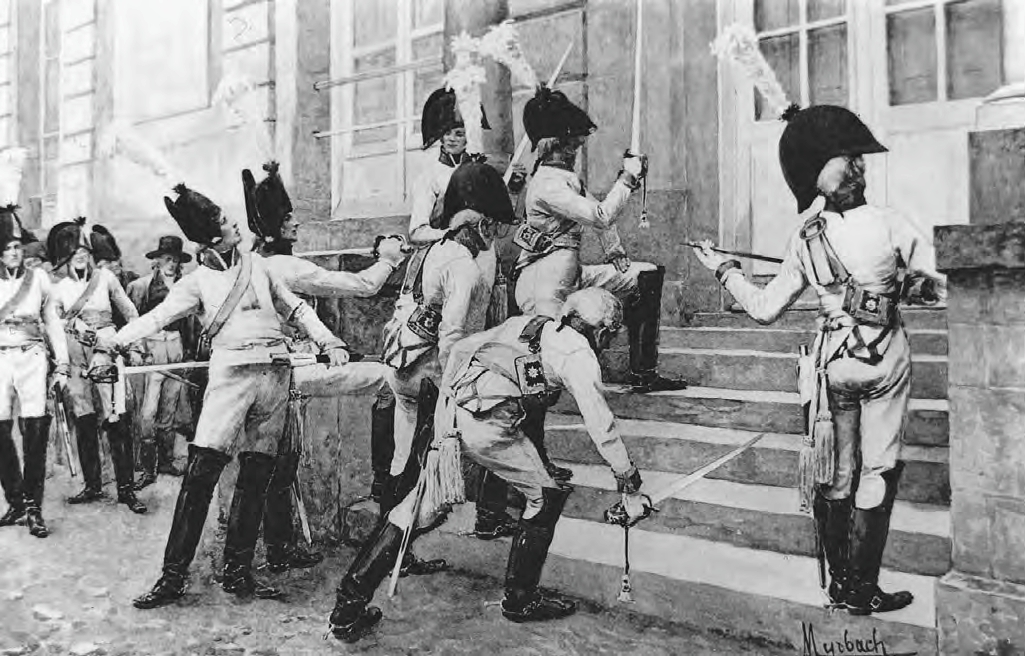


Common forms of rivalry
- Business competition – Two or more businesses may compete for the same customers or market share. For example, shops or vendors selling ice cream in the same area are rivals because they try to attract the same buyers.
- Family and personal rivalry – Siblings or close relatives sometimes compete for attention, resources or status within a family. These rivalries can be short-lived or last many years.
- International rivalry – Countries may contend with each other over territory, influence, trade or strategic advantage. Such rivalries can raise tensions and, in some historical cases, contribute to armed conflict or war.
- Sporting rivalry – Teams or athletes that frequently meet can become rivals. This form of rivalry is usually regulated by rules and traditions and often fuels strong but generally nonviolent competition.
Effects and purpose
Rivalry can have positive and negative outcomes. It can encourage improvement, innovation and higher performance as competitors strive to do better. At the same time, rivalry may produce stress, hostility or unfair tactics if it becomes excessive. Whether rivalry leads to beneficial results or harm depends on the context and how the competitors behave.
Related articles
Author
AlegsaOnline.com Rivalry: Causes, Types, and Effects in Business, Sport, Family, and International Relations Leandro Alegsa
URL: https://en.alegsaonline.com/art/83079