
The Championships, Wimbledon — Overview, History and Traditions
Encyclopedic overview of The Championships, Wimbledon: history, grass-court identity, schedule, format, traditions, notable features and cultural significance in tennis.
Overview
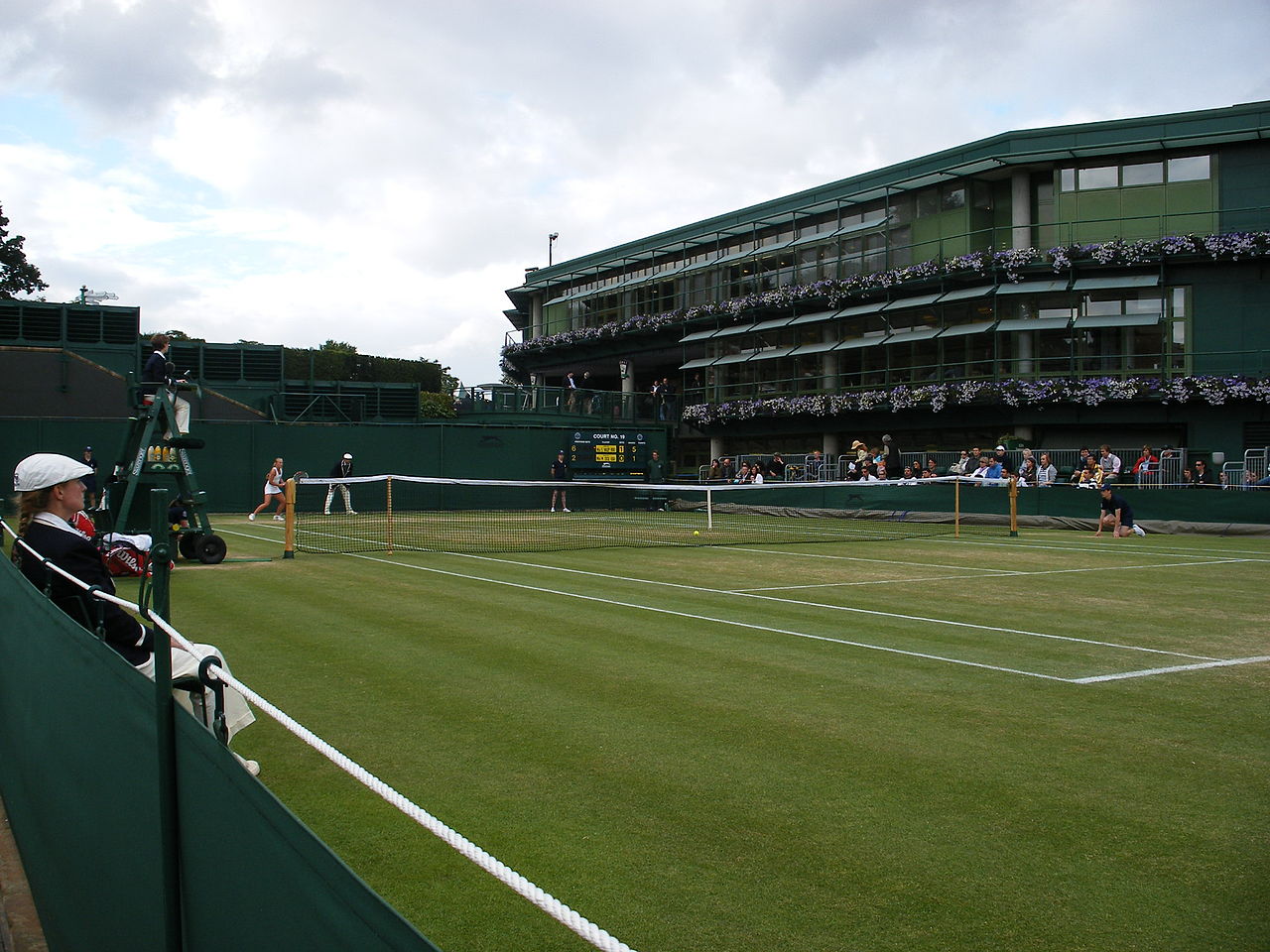
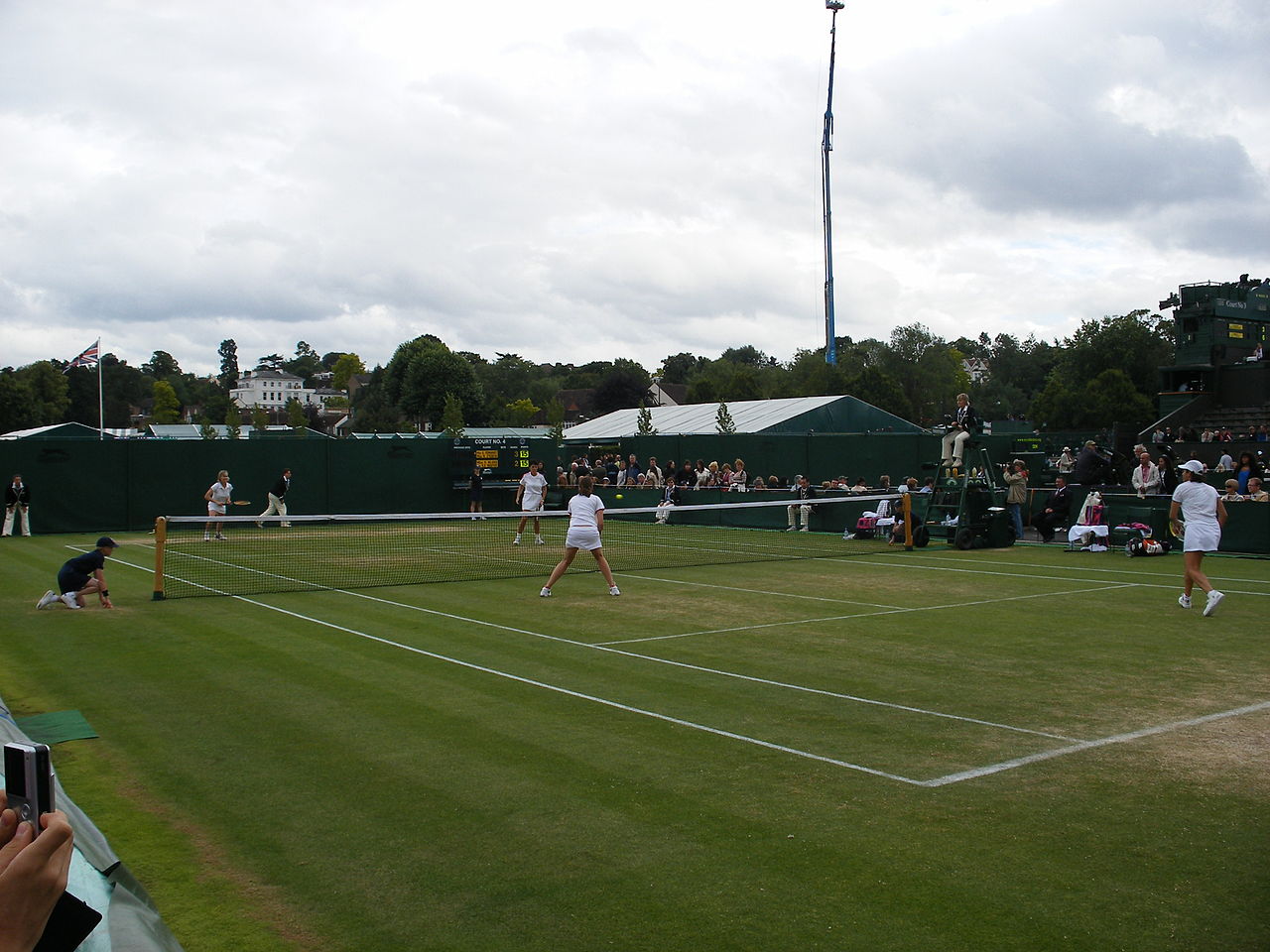
The Championships, commonly called Wimbledon, is one of the four major Grand Slam tournaments in international tennis. It is staged at the All England Lawn Tennis and Croquet Club in Wimbledon, a suburb of London, England, in Great Britain. Wimbledon is distinct among the majors because it is contested on natural grass, a surface that influences ball speed, bounce and player movement. The tournament traditionally takes place in summer, attracting a global audience and a large on-site following.
Image gallery
10 Images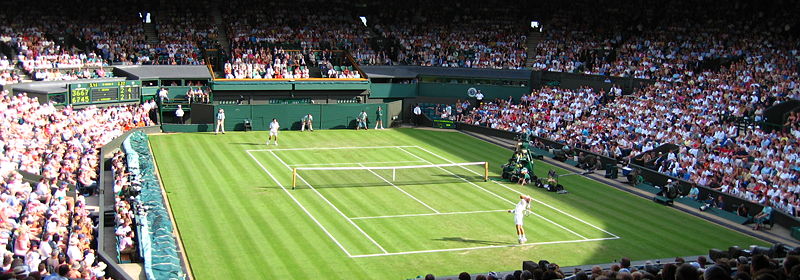






Characteristics and format
Wimbledon is played over two weeks and combines elite singles and doubles competitions with junior, senior and invitational events. Matches are held on multiple grass courts, with the show courts—Centre Court and No. 1 Court—offering greater seating and prestige. The Centre Court has a retractable roof to limit rain interruptions while preserving the characteristic grass surface; in recent years No. 1 Court has also been fitted with a roof to improve scheduling reliability. Players and officials follow strict dress and conduct traditions; competitors are required to wear predominantly white clothing during competition.
History and development
The tournament began in 1877 as a gentleman's singles championship and expanded over the following years. Women's singles and men's doubles were introduced in 1884, broadening the scope of the event. A major turning point came in 1968 when Wimbledon adopted the Open format, permitting both professional and amateur players to compete; that year saw champions such as Rod Laver and Billie Jean King claim singles titles. Since its inception the Championships have evolved in facilities, broadcast reach and global appeal while retaining many long-standing rituals.
Timing within the season
Wimbledon is the third Grand Slam of the annual calendar, played after the clay-court French Open and before the hard-court US Open. It normally begins in late June and concludes in early July. The tournament's place between different surfaces requires players to transition quickly from clay to grass, testing adaptability and often reshaping expectations for form and seeding.
Events, traditions and cultural significance
Events contested at Wimbledon include men's and women's singles and doubles, mixed doubles, and junior and wheelchair competitions. A sample list of the main draws is:
- Men's singles
- Women's singles
- Men's doubles
- Women's doubles
- Mixed doubles
Traditions at Wimbledon are strongly associated with the event's identity: the Royal Box, a strict all-white dress code for players, and culinary customs such as strawberries and cream are widely noted. The tournament uses traditional trophy presentations—the gentlemen's singles winner receives a silver gilt cup and the ladies' singles winner is presented with the Venus Rosewater Dish—symbols that link present-day competition to the event's long history.
Venue, courts and playing style
The championships are held on well-maintained turf courts that are periodically relaid and cared for to preserve a consistent playing surface. Grass tends to favour quick points and can reward strong serving and aggressive net play, although modern equipment and training mean players of varied styles have succeeded. Court conditions can change through the fortnight as play and weather affect grass wear.
Tournament organisation and participation
In addition to main-draw play, Wimbledon includes a qualifying tournament, wildcard entries and a system of seedings to structure the draws. The event stages junior and wheelchair competitions alongside the senior draws, reflecting broader commitments to different levels of the sport. Seeding and entry are principally determined by international rankings, with occasional considerations for recent grass-court form.
Broadcast, attendance and public access
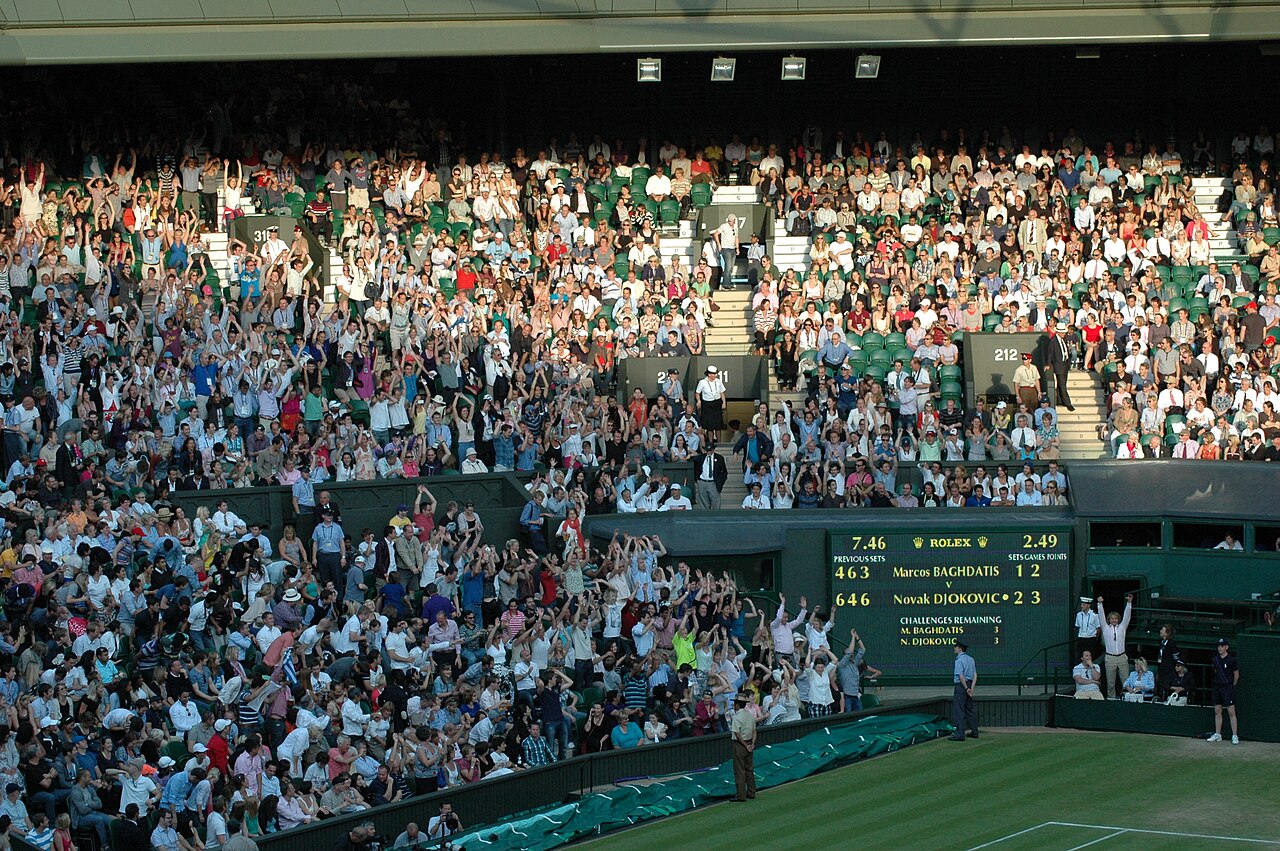
Wimbledon is broadcast internationally and generates significant global viewership each year. On-site attendance is managed through ticket sales and a long-standing public queuing tradition known as the queue; many tickets are also allocated via ballot and to club members. The tournament is an important cultural and economic event for the local area and for the wider tennis season.
Modern developments and governance
Over time Wimbledon has balanced tradition with updates to facilities, technology and regulations. Changes have included covered show courts, improvements in player facilities, and adjustments to scheduling and tiebreak rules to reduce excessive match length. Governance is handled by the All England Club and tournament committees, with official sources providing authoritative information on rules, ticketing and policies.
Notable recent champions
The Championships have produced many celebrated winners across eras. In recent history, champions often cited by fans include Andy Murray and Serena Williams, among many others who have left a lasting mark on the sport.
For a concise overview of the four major tournaments and their place in the annual calendar, see materials on the Grand Slam events and official tournament channels for up-to-date details and historical records: Grand Slam overview, tournament pages and governing-body resources.
Questions and answers
Q: What is the Wimbledon Championships?
A: The Wimbledon Championships is one of the four Grand Slam tennis tournaments, played in a suburb of London in England, Great Britain. It is unique because it is the only Grand Slam played on a grass court.
Q: When was Wimbledon first competed?
A: Wimbledon was first competed in 1877.
Q: When did the women's single and mens doubles events begin?
A: The women's single and mens doubles events began seven years later in 1884.
Q: When does Wimbledon take place each year?
A: Wimbledon takes place during the summer, over two weeks from late June to early July.
Q: Where does it fall on the tennis calendar?
A: On the tennis calendar, Wimbledon falls after the French Open and before the U.S. Open.
Q: When were professionals allowed to compete at Wimbledon for the first time? A: Professionals were allowed to compete at Wimbledon for the first time in 1968 with Rod Laver and Billie Jean King winning their respective singles titles.
Q: Who won at Wimbledon in 2016?
A: In 2016, Andy Murray and Serena Williams won at Wimbledon.
Related articles
Author
AlegsaOnline.com The Championships, Wimbledon — Overview, History and Traditions Leandro Alegsa
URL: https://en.alegsaonline.com/art/97747