
Umpire: role, duties, types and history of sports officials
An umpire is an official who enforces rules, makes judgments and manages on-field conduct in sports. This article explains duties, positions, history, training and differences from other officials.
Overview
An umpire is a game official responsible for enforcing the rules, making impartial decisions, and managing the flow of play. Umpires appear in a range of sports and at different competitive levels, from amateur matches to professional leagues. While the exact powers and titles vary by sport, the essential function is to preserve fairness and safety during competition.
Image gallery
5 Images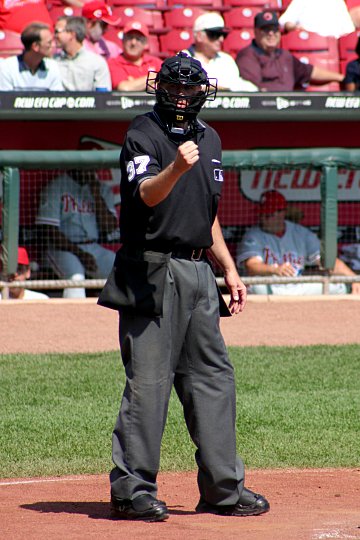



Duties and responsibilities
The duties of an umpire combine rule enforcement, judgment and match administration. Typical responsibilities include:
- Starting and stopping play according to the laws or rules of the sport.
- Interpreting and applying rules to incidents that occur during competition.
- Making real-time judgments about plays, fouls, appeals and scoring.
- Controlling player behavior and issuing warnings, penalties or ejections when appropriate.
- Communicating with coaches, captains and other officials to manage disputes and clarify rulings.
Types, positions and examples
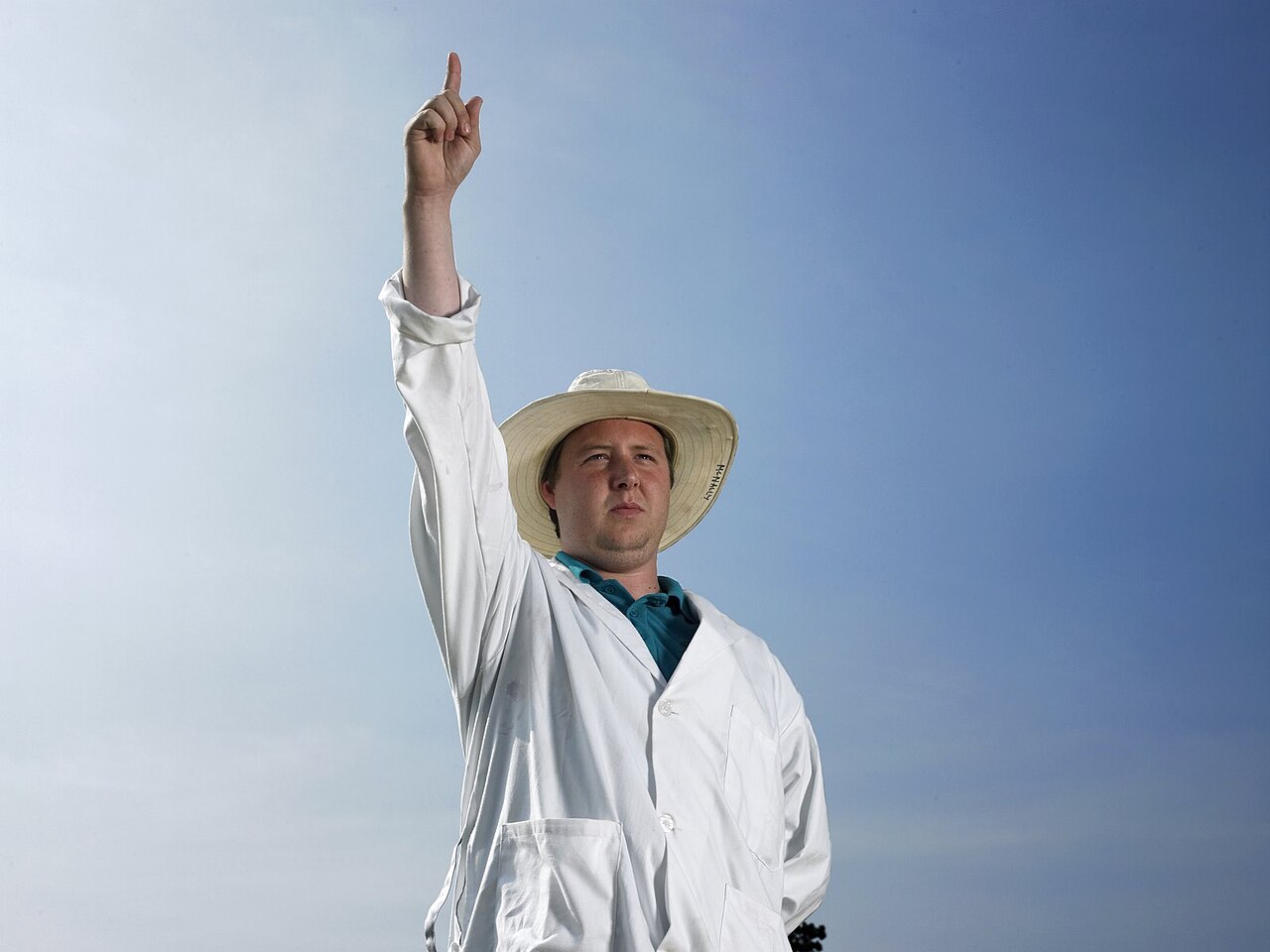
Different sports use different umpire systems and position names. In baseball, a crew of umpires divides responsibilities between plate and base positions; in tennis, chair umpires and line umpires share tasks; in cricket, two on-field umpires and a third (TV) umpire work together. Examples include the home plate umpire in baseball, the chair umpire in tennis, and the standing umpires in cricket. Some sports also employ video officials or replay review to assist human umpires.
History and development
The concept of a neutral arbiter predates modern organized sport: early contests relied on mutual agreement or local judges. As sports formalized in the 19th and 20th centuries, standardized rulebooks and appointed officials became common. Over time, umpiring has evolved with technological aids (such as instant replay and electronic sensors), clearer certification programs, and professionalization in major leagues.
Training, authority and importance
Umpires typically learn through rule study, practical clinics, mentoring and on-field experience. Certification and evaluation systems exist in many sports to ensure consistent standards. The authority of an umpire is granted by the organizing body and rests on impartiality, knowledge and the ability to manage conflict. Good umpiring contributes to the safety of participants and the credibility of results.
Notable distinctions
Umpires differ from referees, judges and arbiters by title and often by positioning: some sports prefer the term "referee" for the principal official and use "umpire" for subordinate or sport-specific roles. Technological review systems have reduced some controversies but have also introduced new duties for officials. Regardless of changes, the core role remains decision-making, rule enforcement and stewardship of fair play.
Related articles
Author
AlegsaOnline.com Umpire: role, duties, types and history of sports officials Leandro Alegsa
URL: https://en.alegsaonline.com/art/102756