
John McEwen: Australian Country Party leader and caretaker Prime Minister
Sir John McEwen (1900–1980) led the Country Party, served briefly as caretaker Prime Minister after Harold Holt's disappearance in 1967, and championed protectionist policies for rural Australia.
Overview
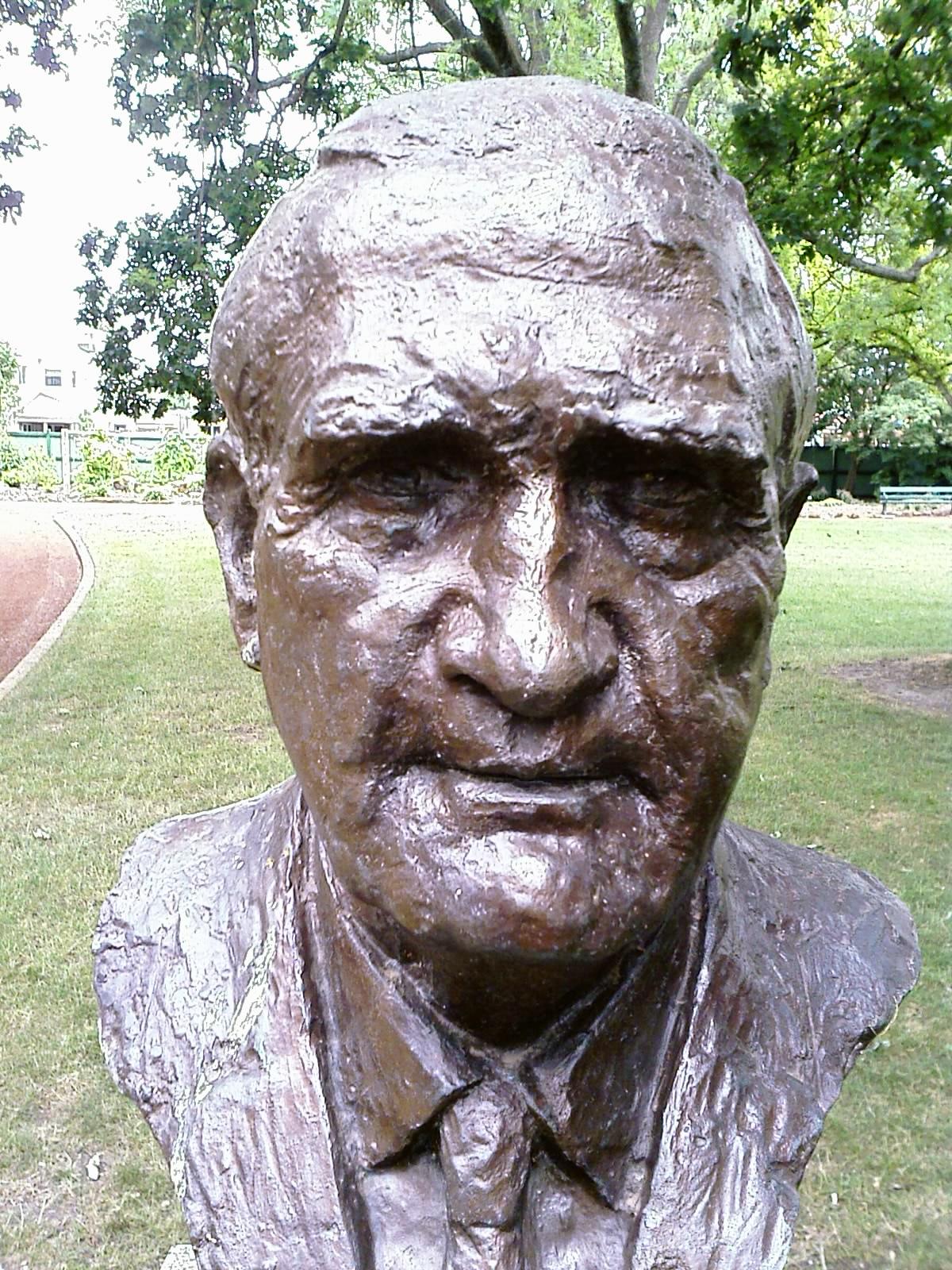
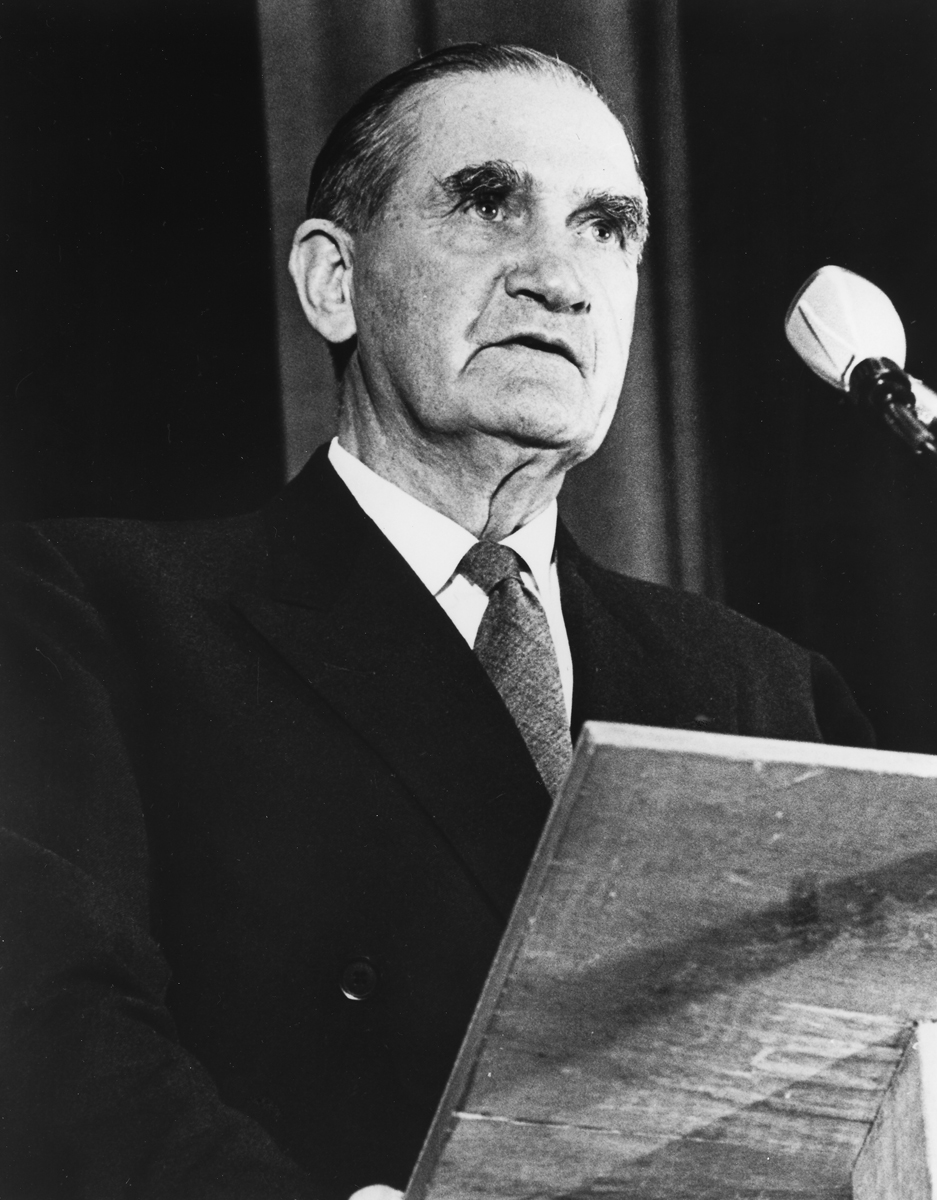
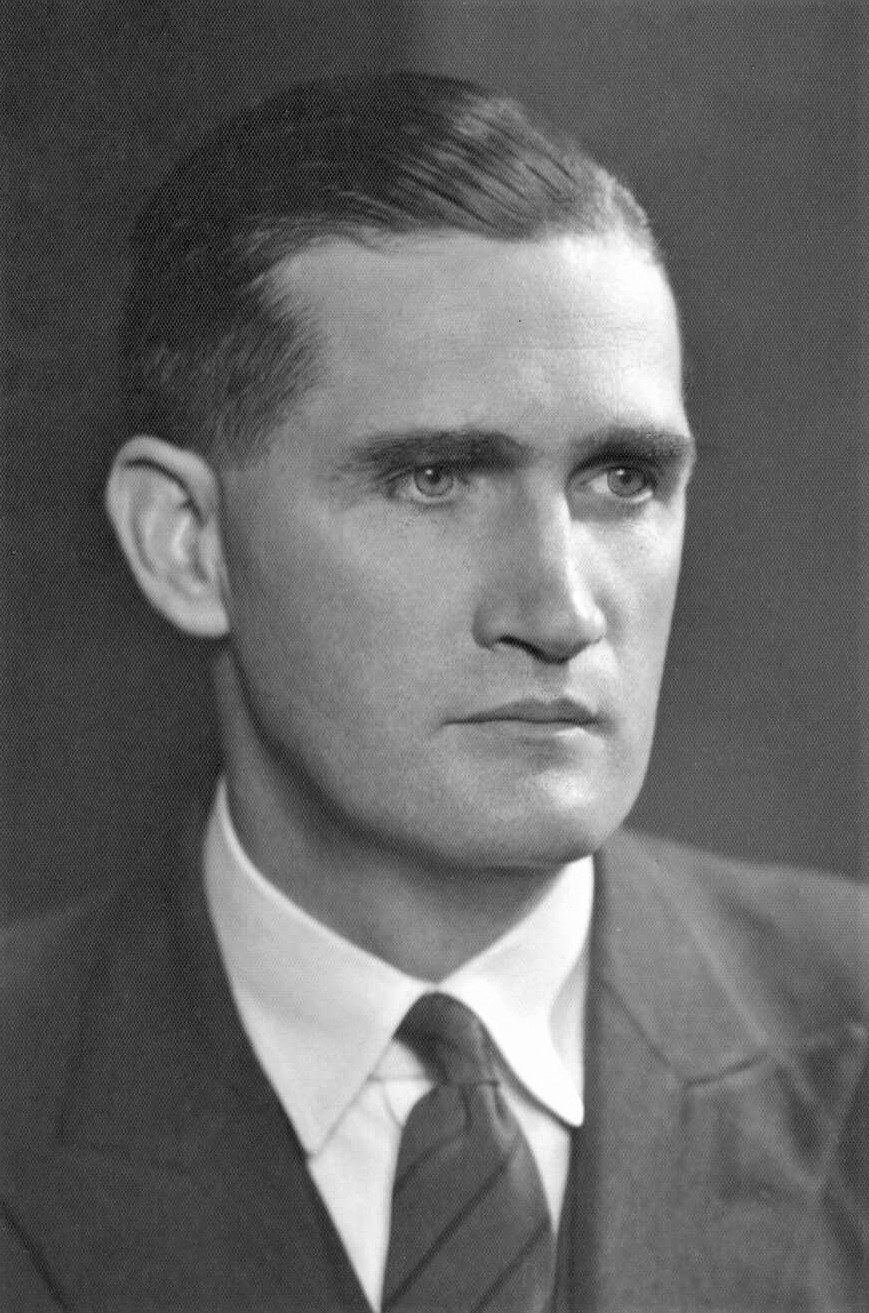
Sir John McEwen (29 March 1900 – 20 November 1980) was an Australian politician who served briefly as the 18th Prime Minister of Australia. He was the leader of the Country Party when Harold Holt disappeared in December 1967 and was appointed caretaker prime minister until the Liberal Party selected a new leader. The Liberals chose John Gorton, who succeeded McEwen on 10 January 1968. McEwen then resumed his role as Deputy Prime Minister and continued to exert influence until his retirement in 1971.
Image gallery
10 Images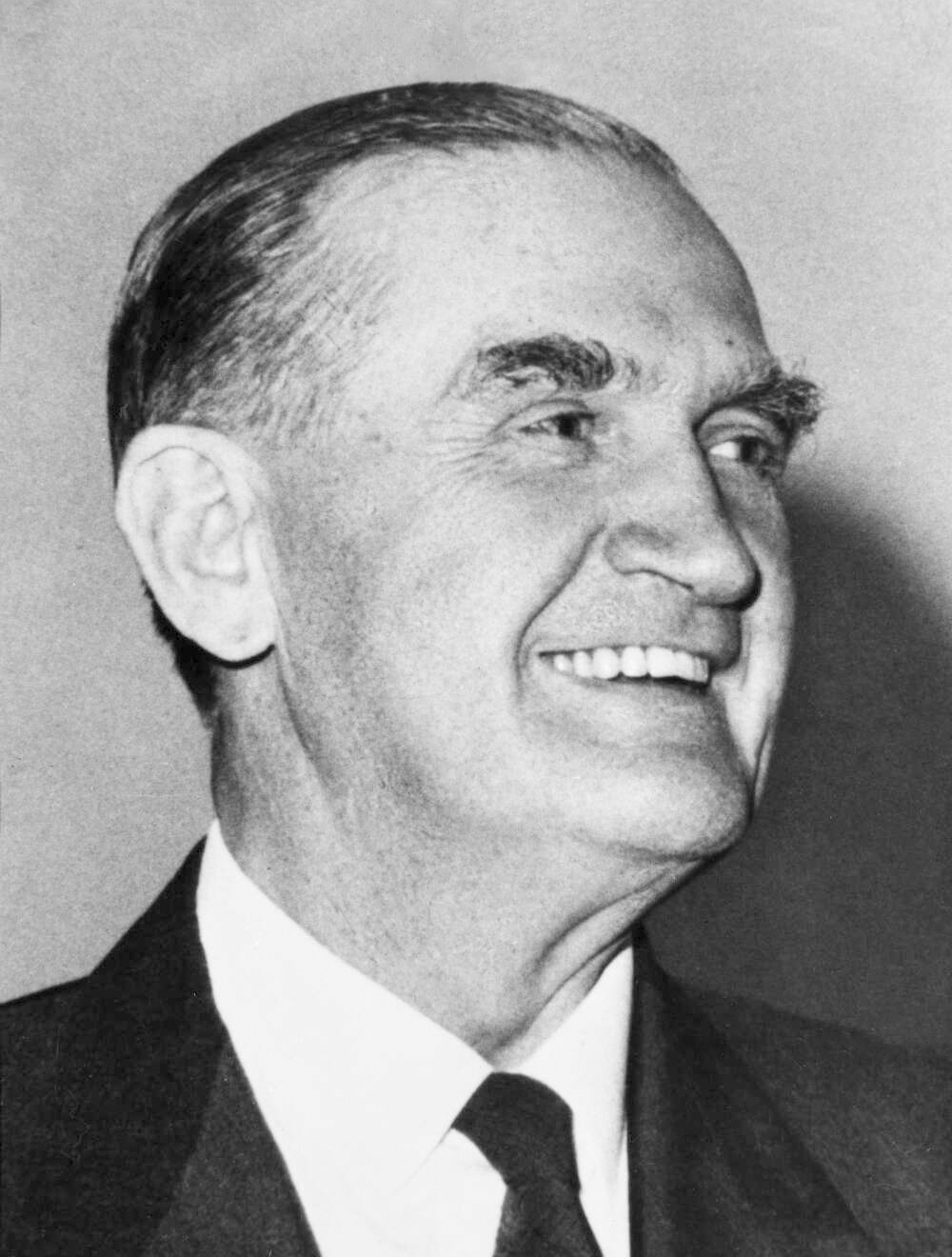




Early life and background
Born and raised in rural Victoria, McEwen's early life was closely connected to farming and country communities. That background informed his long political career and his reputation as a vigorous advocate for primary producers. Before rising to national prominence he built a base of support among rural voters and developed expertise in trade and agricultural matters.
Political career and offices
McEwen led the Country Party (later the National Party) for more than a decade and served in a succession of Coalition governments. He held senior portfolios concerned with trade, agriculture and commerce, often negotiating tariffs, price supports and export arrangements that aimed to protect Australian farmers. His tenure as party leader and deputy prime minister made him a central figure in mid-20th century Australian coalition politics.
Caretaker prime ministership and coalition influence
Following Harold Holt's disappearance, McEwen was sworn in as caretaker prime minister while the Liberal Party conducted its leadership ballot. During this interregnum he publicly signalled that the Country Party would not serve in a coalition under William McMahon, a stance that contributed to the Liberal Party choosing John Gorton as leader. McEwen's brief prime ministership demonstrated the leverage a smaller coalition partner can hold in Australian government formation.
Policies, reputation and "McEwenism"
McEwen is widely associated with a protectionist approach to economic policy—often called "McEwenism"—which favored tariffs and other measures to safeguard domestic agriculture and manufacturing. He argued that these protections were necessary to secure rural incomes and national self-reliance. While critics labeled the approach as economically conservative or interventionist, supporters credit it with stabilizing farm communities during times of global market volatility.
Legacy
remembered as a skilled negotiator for rural Australia, McEwen shaped the character of the Coalition for many years. He was succeeded as Country Party leader in 1971 and retired from active politics thereafter. His influence on trade and agricultural policy, and his role in the crisis following Holt's disappearance, remain notable aspects of Australian political history. McEwen died in 1980, leaving a legacy closely tied to the postwar development of Australia's rural economy.
- Born: 29 March 1900
- Died: 20 November 1980
- Key roles: Country Party leader, Deputy Prime Minister, caretaker Prime Minister
Related articles
Author
AlegsaOnline.com John McEwen: Australian Country Party leader and caretaker Prime Minister Leandro Alegsa
URL: https://en.alegsaonline.com/art/122578
Sources
- adb.online.anu.edu.au : McEwen, Sir John (1900–1980)