
House of Orléans: history, role and modern claimants
A concise overview of the House of Orléans: its origins in the French royal family, key residences and titles, the July Monarchy under Louis-Philippe, and later claimants and legacy.
Overview
The House of Orléans is a cadet branch of the French royal Bourbon family that played a prominent role in French politics from the 17th century onward. Originally established for younger sons of the reigning king, the house combined dynastic rank with substantial estates and political influence. It has been described both as a noble lineage and as a distinct royal branch within the wider Bourbon dynasty.
Image gallery
10 Images



Origins and characteristics
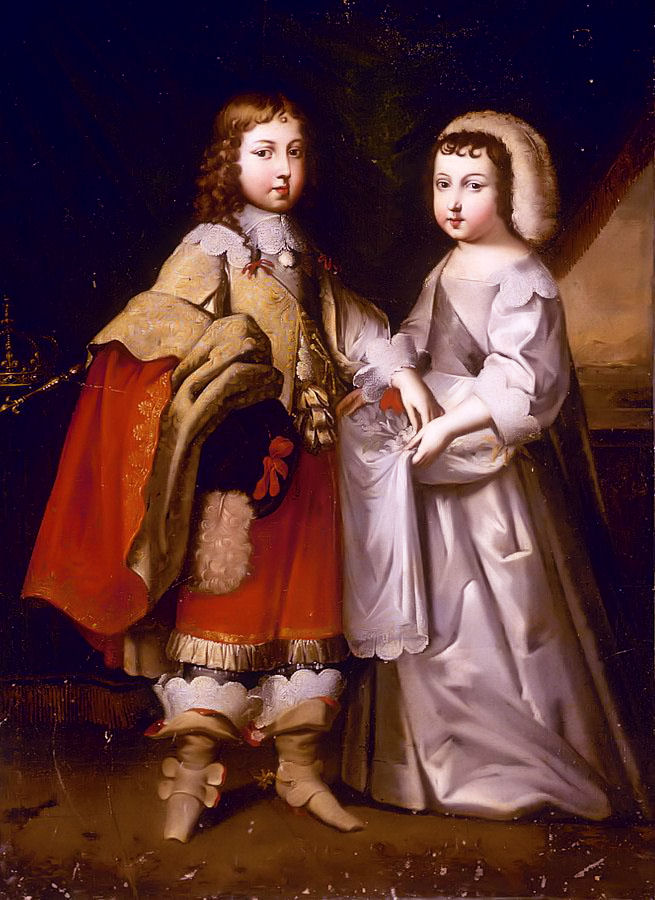
The family traces its immediate origin to Philippe I, Duke of Orléans, the younger brother of Louis XIV. Holders of the ducal title were often close relatives of the sovereign and enjoyed high precedence at court. Over generations the Orléans line accumulated titles, wealth and a network of political alliances. Their principal Paris residence became the Palais-Royal, a large urban palace that served as a private household, a cultural center and a commercial hub in the city of Paris; references to this seat frequently use the name Palais Royal.
Development and the July Monarchy
The House of Orléans reached the apex of its political power in the early 19th century. In 1830, following the July Revolution, Louis-Philippe of Orléans accepted the crown and reigned as Louis-Philippe I, styling himself "King of the French" rather than "King of France" to emphasize a constitutional, national monarchy. The July Monarchy (1830–1848) sought to balance bourgeois interests and monarchical legitimacy; it is often studied as a distinct constitutional experiment in modern France. During this period the family also pursued strategic marriages that linked them to other European dynasties (see examples).
Membership, titles and residences
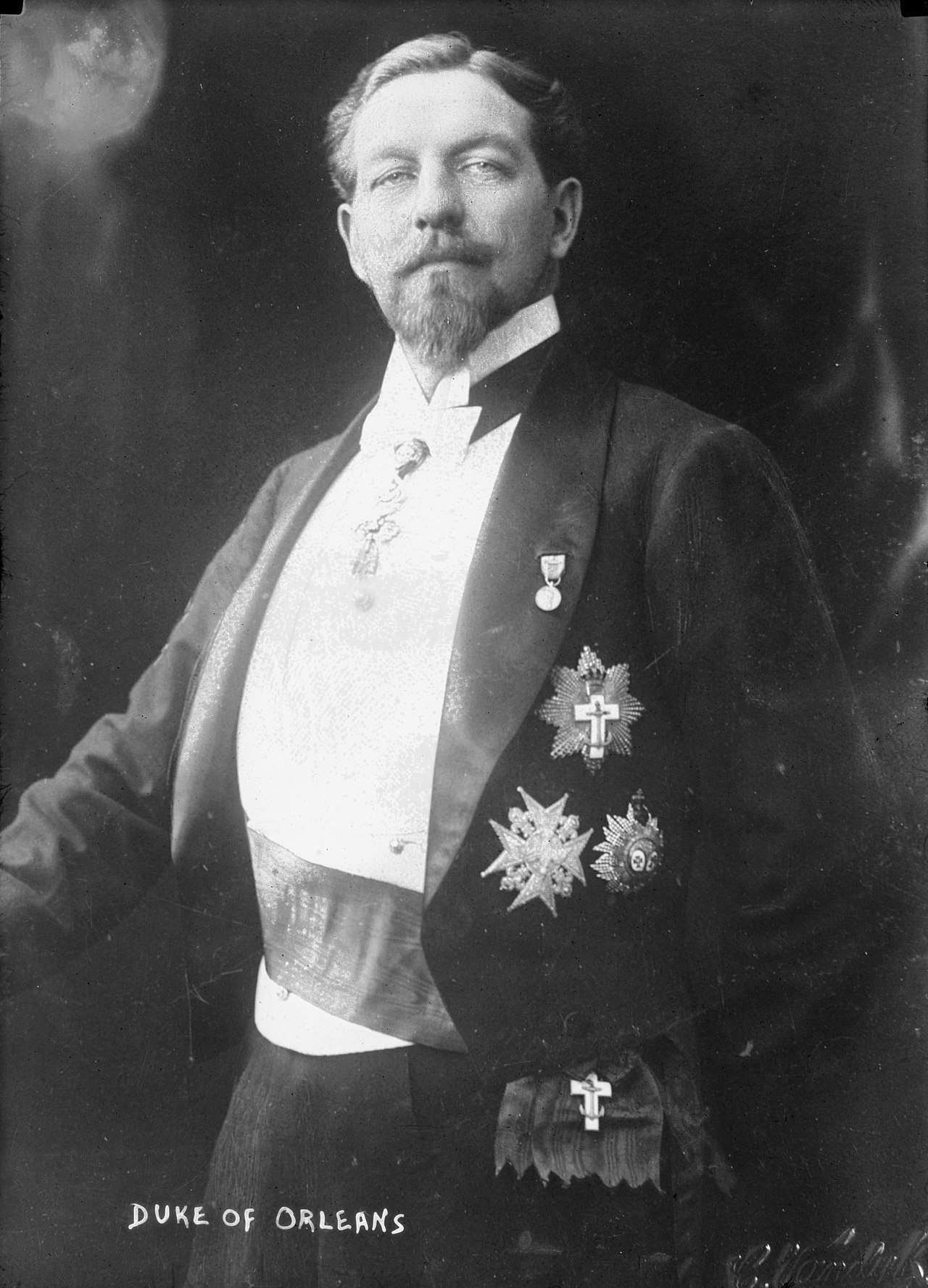
Members of the house traditionally bore princely and ducal titles. Beyond the Palais-Royal, members possessed estates and townhouses, and they participated actively in cultural patronage. The title "Count of Paris" has been used by heads of the Orléans family in recent generations as a dynastic style and a public identity. Political factions that favored the Orléans line—historically known as Orléanists—differentiated themselves from other royalist currents on questions of succession and governmental form.
Modern claimants and legacy
After the fall of the monarchy and the establishment of the republic, dynastic titles ceased to have legal force in France. Today such titles are a matter of family tradition and public interest rather than state recognition; the abolition of monarchy is part of the republican settlement (republican status). In the late 20th century a prominent figure associated with the house was Prince Henri, who used the style of Count of Paris and was for a time a public claimant to the dynastic dignity. He married Duchess Marie-Thérèse of Württemberg, reflecting the longstanding practice of intermarriage among European royal houses.
Notable facts and significance
- The Orléans branch exemplifies how cadet royal lines can become central political actors in constitutional monarchies.
- The Palais-Royal remains an important historical and cultural landmark associated with the family.
- Debates between Orléanists, Legitimists and Bonapartists illustrate 19th-century contests over legitimacy and the shape of the French state.
Although the House of Orléans no longer rules, its social, architectural and political legacies continue to inform studies of monarchy, republican transition and European dynastic networks. For further general background see contemporary summaries and genealogical references (noble context, royal context).
Related articles
Author
AlegsaOnline.com House of Orléans: history, role and modern claimants Leandro Alegsa
URL: https://en.alegsaonline.com/art/120711