
Pretender (claimant to a throne)
A pretender is a person who asserts a right to a monarchy or sovereign title. The term covers claimants, impostors, and rival heirs in historical and modern dynastic disputes.
Overview
A pretender is an individual who claims a right to be a ruler—most commonly to a royal title—despite not holding the recognized office. The claim may concern the right to rule a state, a claim to be king or queen, or the assertion of entitlement to a higher rank such as emperor. Pretenders appear in many eras and cultures whenever succession is contested, a dynasty falls, or uncertainty surrounds the legitimate heir.
Image gallery
3 Images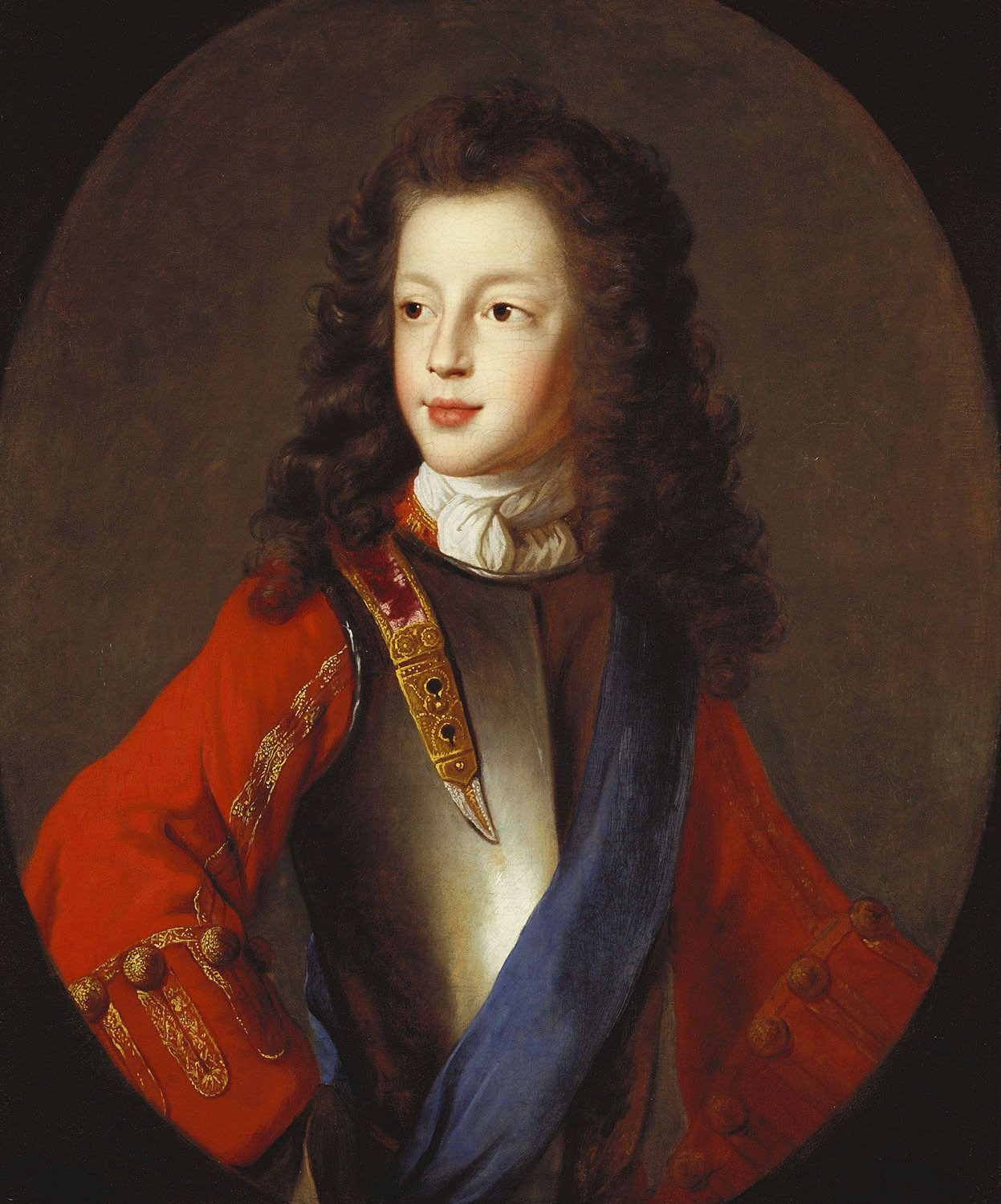


Characteristics and forms
Pretenders take several forms. Some are genuine dynasts who base their claim on blood, marriage, or law but lack recognition. Others are impostors who assume a false identity to seize support. A claimant may be an exiled prince pressing a legal argument abroad, a local noble leading a rebellion, or an individual whose ancestry is disputed. Recognition by foreign powers, religious authorities, or domestic institutions often determines whether a claimant gains acceptance or remains a pretender.
Historical development
Contested succession is as old as hereditary rule: rival branches of a family, unclear inheritance laws, and power struggles have produced pretenders since antiquity. In monarchies organized around primogeniture, periods of weak central authority or mass upheaval produced famous rival claimants. In some eras, pretenders inspired uprisings or civil wars; in others they lived in exile and became focal points for political opposition. Over time, international diplomacy, marriage alliances, and legal codifications reduced—but never eliminated—the occurrence of rival claims.
Uses and consequences
Pretenders can affect politics in several ways. They may catalyze rebellions, provide legitimacy for factions, or serve as figureheads for restoration movements. Governments confronted by a pretender may attempt to discredit them, negotiate settlements, or grant titles to neutralize claims. Even when a pretender never attains power, their presence can shape national memory, dynastic politics, and treaty negotiations for generations.
Distinctions and notable facts
- Pretender vs. usurper: A pretender asserts a legal or hereditary right; a usurper has seized power without a claim of lawful succession.
- Pretender vs. impostor: An impostor falsely assumes an identity; some impostors are also pretenders if they claim a throne.
- Recognition matters: International recognition, popular support, and legal opinion often decide whether a claimant is treated as a legitimate monarch or dismissed as a pretender.
- Etymology: The word derives from French and Latin roots meaning to claim or put forward, while modern colloquial "to pretend" has come to mean feigning or making a false show.
Examples and modern relevance
While hereditary monarchies are much reduced, claims to disputed titles still surface in constitutional monarchies, deposed royal houses, and ceremonial orders. Pretenders may be important in cultural memory, heritage organizations, and legal disputes about titles and succession. Understanding pretenders helps explain many episodes of dynastic conflict and the continuing symbolic role of monarchy in contemporary politics.
Historical pretenders to the throne (selection)
- In France the Orléanists stood against both the Bonapartists and the Legitimists, and formed a whole dynasty of pretenders.
- In Japan, during the Nanboku-chō ('Period of the Southern and Northern Courts'), there were a number of "counter-emperors" of the Ashikaga clan, the first of whom was Emperor Kōgon.
- Duke Louis I of Anjou was pretender to the throne of the Kingdom of Naples in 1382 and also titular emperor of the Latin Empire.
- The so-called False Mustafa, also called Küçük Mustafa (Turkish for 'little Mustafa'), was pretender to the throne of the Ottoman Empire against Murat II.
- Gáspár Bekes of Kornyát was pretender to the throne of the principality of Transylvania from 1571 to 1576.
- António of Crato failed in his attempt to secure the Portuguese crown in 1580 against Philip II of Spain.
- Charles VI was pretender to the throne of Spain before his election as emperor.
- The Spanish Carlists were a dynasty of pretenders.
- The Jacobites were a dynasty of pretenders. They failed in their attempt to establish a Roman Catholic dynasty in the United Kingdom.
- Alexander of Yugoslavia
See also
- List of French pretenders to the throne
- List of Jacobite pretenders to the throne
- List of Carlist pretenders to the throne
Related articles
Author
AlegsaOnline.com Pretender (claimant to a throne) Leandro Alegsa
URL: https://en.alegsaonline.com/art/78962