
Major epidemics and pandemics in human history
Overview of significant epidemics and pandemics: definitions, notable historical events, typical impacts, and distinctions between epidemic and pandemic terms.
An epidemic is a sudden increase in the number of cases of an infectious disease in a defined population, while a pandemic is an epidemic that has spread across countries or continents. This article outlines notable outbreaks that have shaped public health, explains common characteristics, and highlights distinctions that matter for response and policy. For a precise definition see epidemic.
Image gallery
10 Images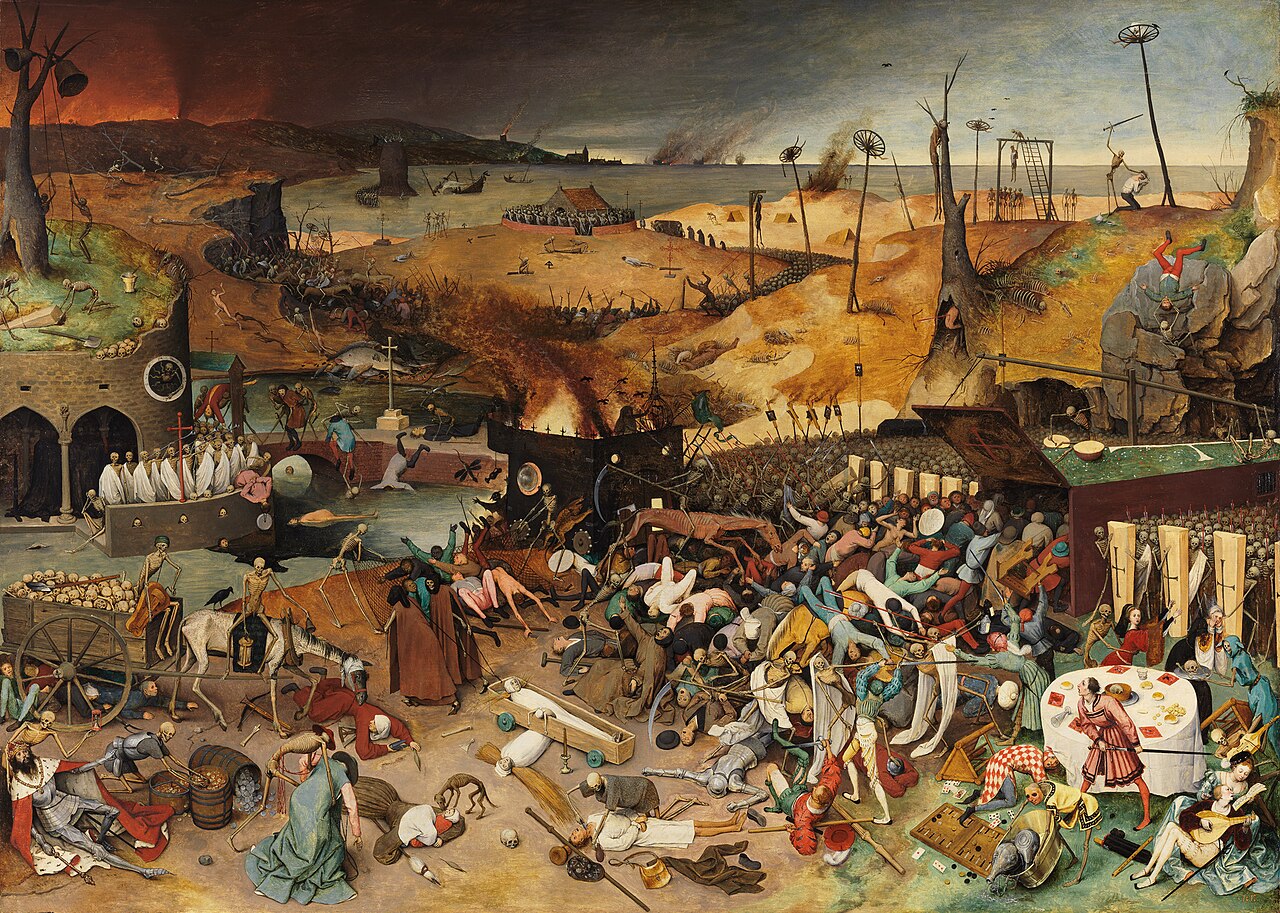




Overview and definitions
Epidemics and pandemics vary by scale, speed, severity and the pathogen involved (virus, bacterium, parasite). Typical indicators include case counts above expected baseline, geographic spread, and strain on health services. Social, environmental and economic factors influence both emergence and spread.
Notable historical examples
- Antonine Plague (2nd century): one of the earliest recorded widespread outbreaks in the Roman world.
- Plague of Justinian (6th–7th century): recurrent waves of bubonic plague that affected the Byzantine Empire.
- Black Death (14th century): a catastrophic pandemic of bubonic plague with massive demographic effects in Eurasia.
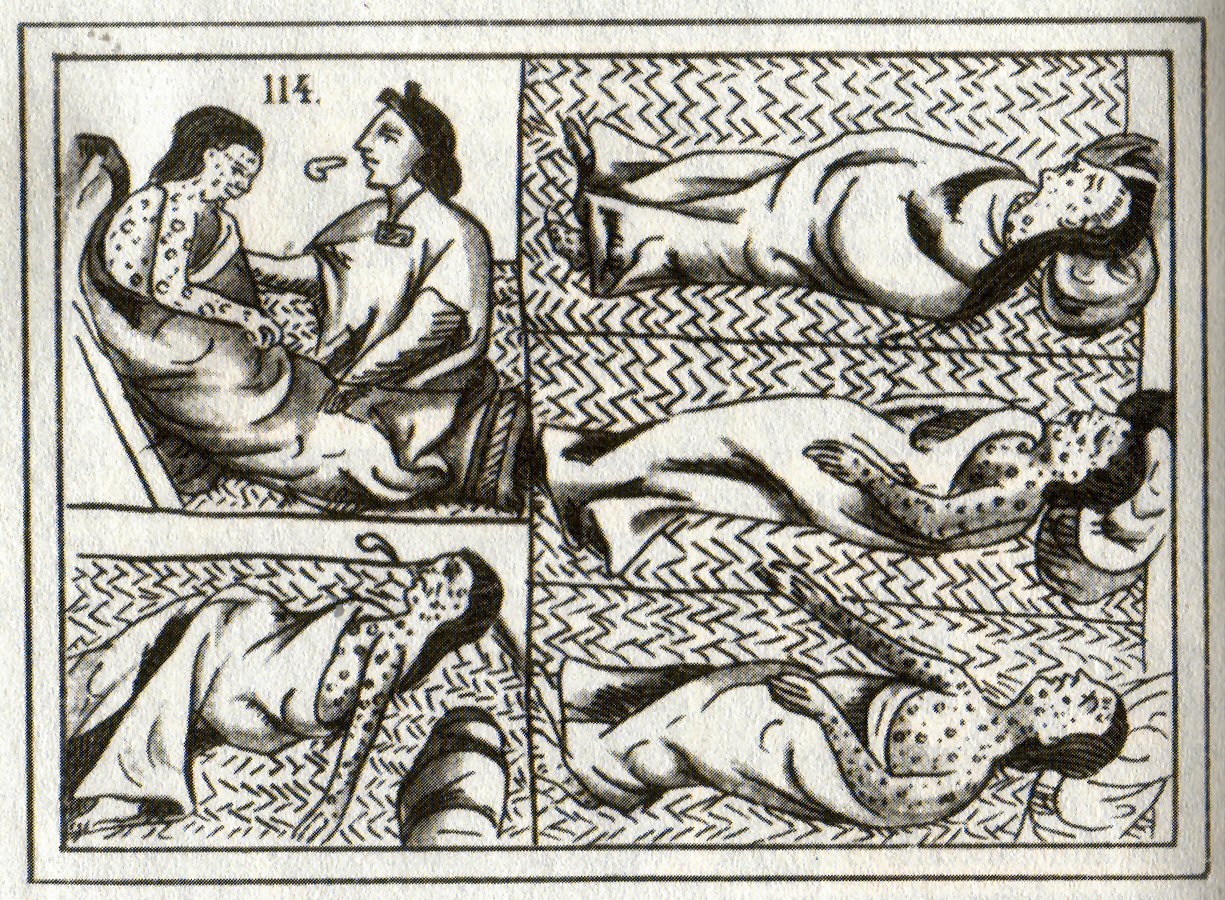
- Smallpox in the Americas (16th century onward): introduced diseases that had profound effects on Indigenous populations.
- 1918 influenza (Spanish flu): a global influenza pandemic with unusually high mortality among young adults.
- HIV/AIDS (identified 1980s): a sustained pandemic with major social and medical consequences worldwide.
- SARS (2002–2003) and COVID-19 (from 2019): recent respiratory coronavirus outbreaks demonstrating modern global transmission dynamics.
Characteristics and impacts
Epidemics affect mortality, morbidity and economic activity. Public health impacts include overwhelmed hospitals, disrupted supply chains, and social measures such as quarantine, vaccination campaigns, travel restrictions, contact tracing and public communication. Long-term consequences can involve demographic shifts, changes to medical practice, and legal or political reforms.
Response, prevention and notable distinctions
- Surveillance and rapid detection are essential to contain outbreaks early.
- Vaccination and antimicrobial treatments have prevented or mitigated many epidemics.
- Definitions matter: a disease may be epidemic locally without being a pandemic globally; public messaging and resource allocation depend on this distinction.
Understanding past epidemics informs preparedness for future events. Historical patterns, improvements in sanitary practices, and advances in biomedical science all contribute to more effective responses, while global travel and urbanization present ongoing challenges. For general background on terms and classifications consult the links above.
Related articles
Author
AlegsaOnline.com Major epidemics and pandemics in human history Leandro Alegsa
URL: https://en.alegsaonline.com/art/124696
Sources
- ark.cdlib.org : Kuhnke, Laverne. Lives at Risk: Public Health in Nineteenth-Century Egypt. Berkeley: University of California Press, c1990.
- pegasusbooks.com : Between Hope and Fear: A History of Vaccines and Human Immunity. New York: Pegasus Books, 2018.
- penguinrandomhouse.com : Justinian's Flea: Plague, Empire and the Birth of Europe
- ncbi.nlm.nih.gov : "Pandemic influenza: certain uncertainties"
- doi.org : 10.1002/rmv.689
- justiniansflea.com : "Justinian's Flea -"
- theheritageportal.co.za : "Three Books on the Black Death | The Heritage Portal"
- sciencedirect.com : "The history of epidemic typhus"
- doi.org : 10.1016/S0891-5520(03)00093-X
- cidrap.umn.edu : "A severe pandemic is not overdue - it's not when but if"
- britannica.com : "Cholera - Cholera through history"
- journals.sagepub.com : "The Smallpox Pandemic of 1870–1874: President's Address"
- doi.org : 10.1177/003591573302700245
- who.int : "Severe Acute Respiratory Syndrome (SARS)"
- diphtheria-knowledge.weebly.com : "what's the story?"