
List of Emperors of China
Overview of Chinese rulers styled huangdi from the first imperial unifier in 221 BC through the end of dynastic rule in the early 20th century, with notes on title, major dynasties, and notable exceptions.
This article summarizes the succession of rulers in China who bore the title commonly translated as "emperor." The imperial institution began when Qin Shi Huang unified several warring states and adopted the title huangdi in 221 BC. From that point until the collapse of imperial rule in the early 20th century, successive dynasties produced a long sequence of sovereigns, each remembered by personal names, temple names, and reign or era names.
Image gallery
10 Images
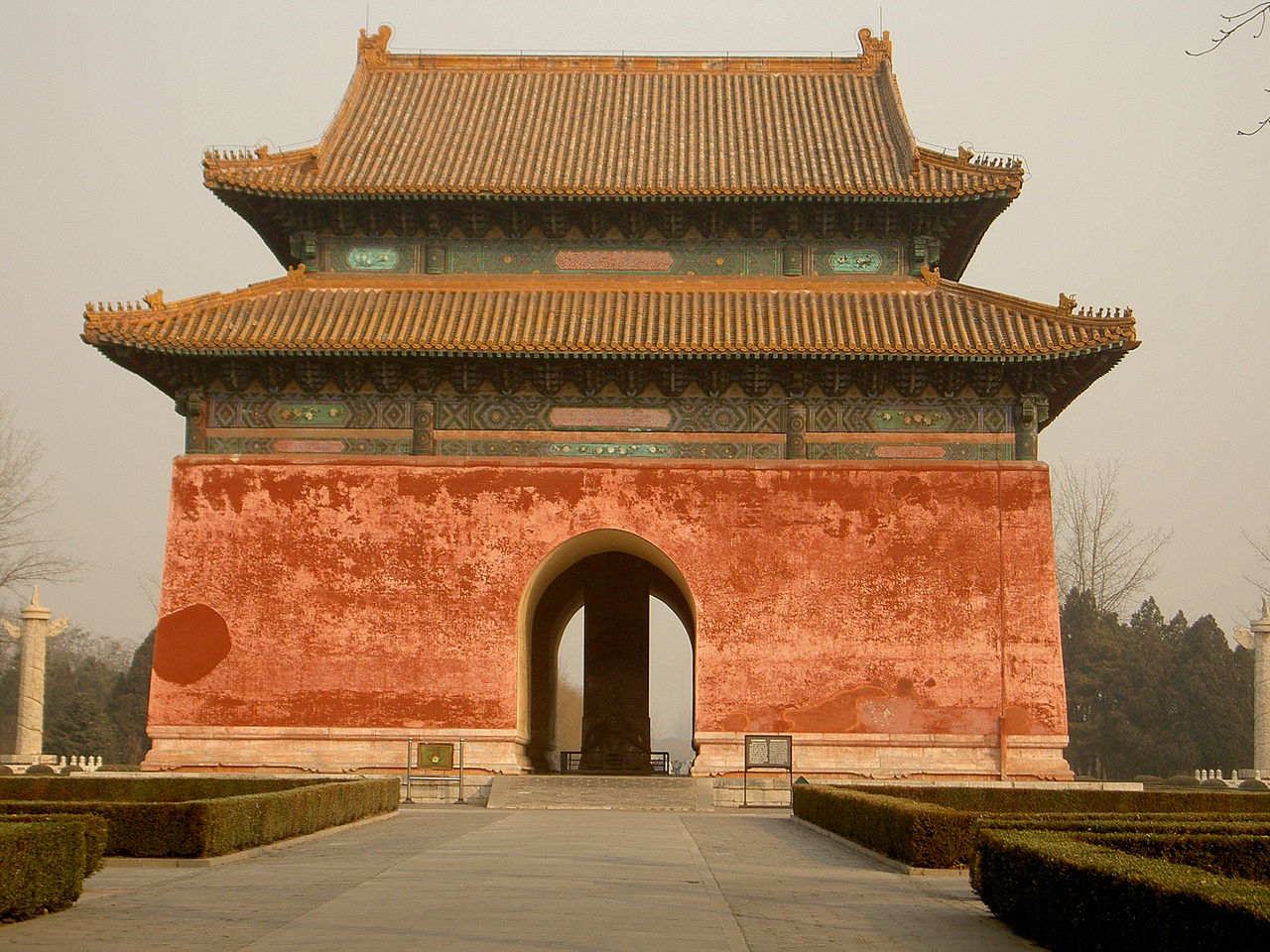

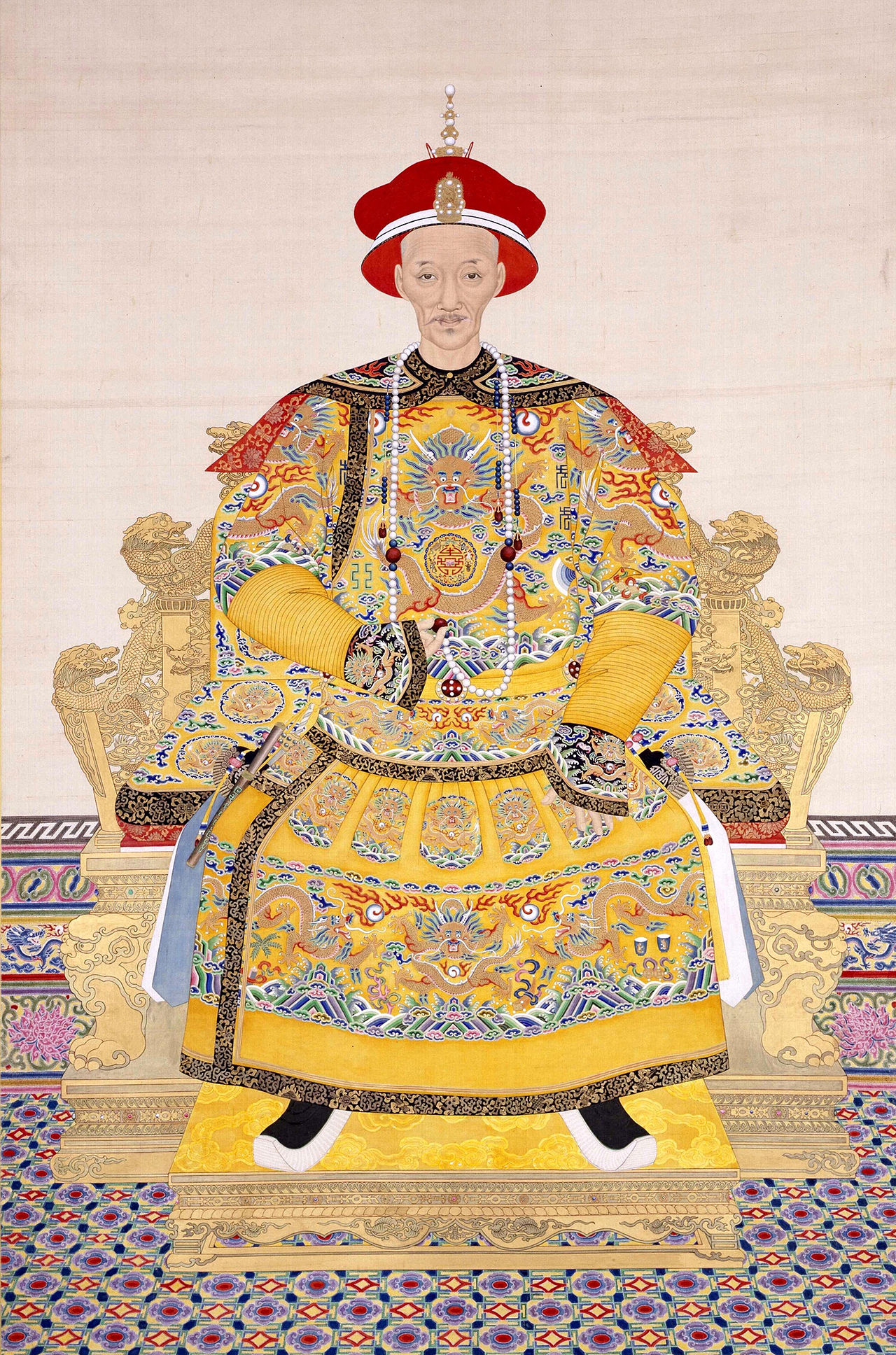
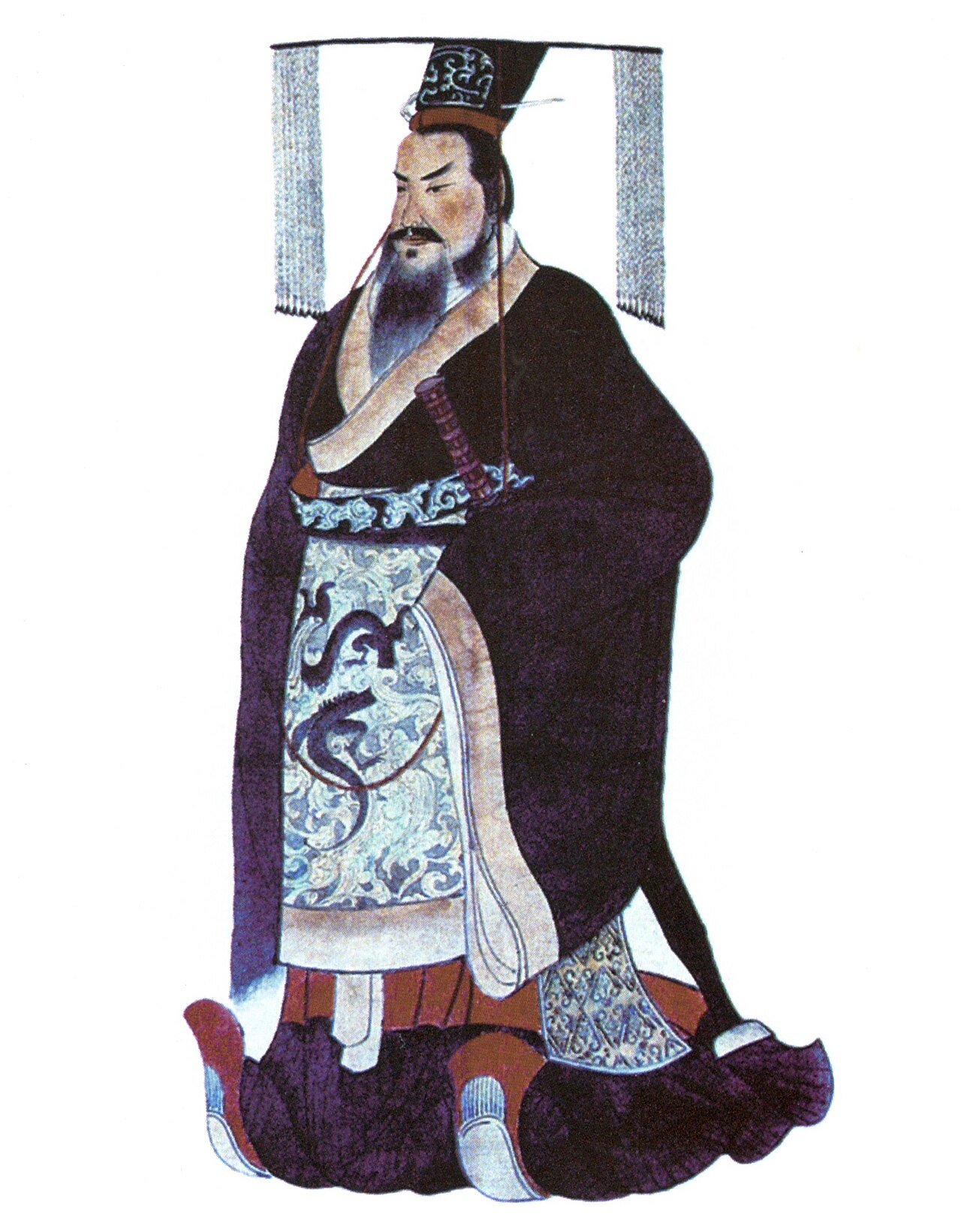


Role and titles
In Chinese political thought the emperor combined political leadership, military command, and a central ritual role tied to the concept of the Mandate of Heaven. Emperors used multiple styles: personal name, a temple name used after death, and one or more era names chosen to mark reign periods. Many historical lists arrange rulers by dynasty and by reign title rather than by birth names.
Major dynasties and notable rulers
- Qin – the first imperial house, starting with Qin Shi Huang (221 BC).
- Han – consolidation of imperial institutions and expansion of state bureaucracy.
- Sui and Tang – reunification and a cultural-political high point in the early medieval period.
- Song, Yuan, Ming, Qing – later dynasties that shaped medieval and early modern China; the Qing was the last imperial house.
Across these dynasties, some emperors gained special renown for reforms, conquests, or cultural patronage—examples often cited are strong rulers who reshaped administration or law. The title in English is normally translated as emperor, and lists of such rulers are commonly organized by dynasty and regnal sequence for clarity. For a curated list and further reading see related resources.
Notable exceptions and context: emperors were almost exclusively male; the most widely recognized female sovereign to claim the imperial title was Wu Zetian of the Tang period, who briefly established her own Zhou dynasty and is often discussed in studies of gender and power in imperial China (Wu Zetian). The formal end of dynastic rule followed the 1911 revolution and the abdication of the last emperor, after which China moved to republican forms of government.
Questions and answers
Q: What is the list about?
A: The list is about the rulers of China from 221 BC to AD 1911.
Q: How did the rulers name themselves?
A: The rulers named themselves 皇帝 (Mandarin: huangdi).
Q: What is the English translation for 皇帝?
A: The English translation of 皇帝 is emperors.
Q: Were all the rulers men?
A: Yes, all the rulers were men except for Wu Zetian.
Q: Who was the only female ruler mentioned in the list?
A: Wu Zetian was the only female ruler mentioned in the list.
Q: What was Wu Zetian?
A: Wu Zetian was a female ruler of China.
Q: Until what year the emperors ruled?
A: The emperors ruled until AD 1911.
Related articles
Author
AlegsaOnline.com List of Emperors of China Leandro Alegsa
URL: https://en.alegsaonline.com/art/124689