
Henry Knox
American military officer and the first U.S. Secretary of War, noted for organizing Continental artillery and transporting heavy guns from Fort Ticonderoga to Boston during the Revolutionary War.
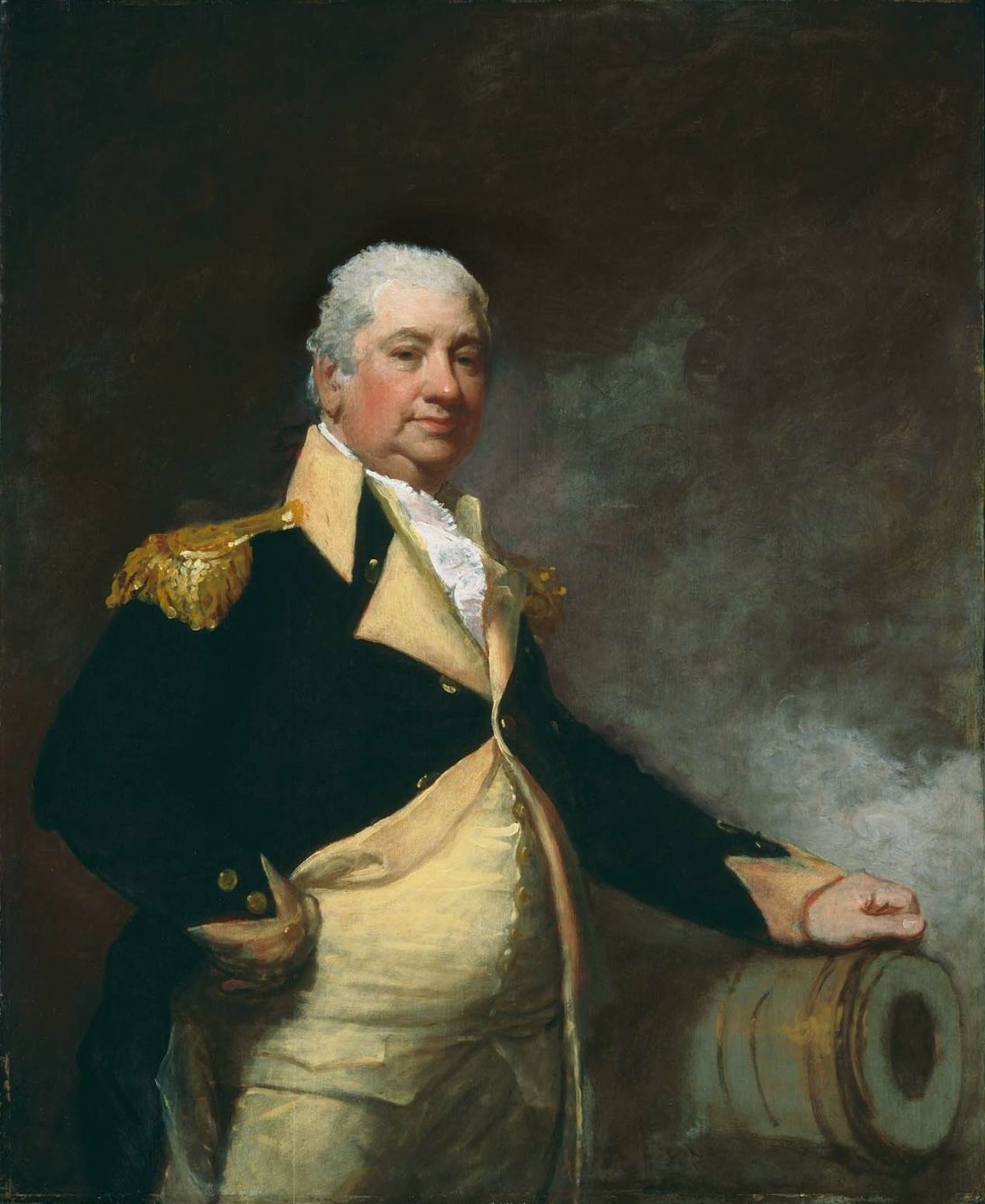
Henry Knox was a prominent American military leader and early national official. Born in 1750 and dying in 1806, he rose from civilian life to become a central figure in the Continental Army. A self-educated bookseller from Boston, Knox built a reputation for logistics, discipline and technical skill that shaped the new nation's military institutions.
Image gallery
9 Images




Role in the Revolutionary War
During the Revolutionary War he served as chief of artillery for the Continental Army. He organized batteries, trained soldiers in the use of heavy ordnance, and helped integrate artillery into Washington's plans. Knox is best remembered for hauling dozens of heavy artillery pieces from Fort Ticonderoga to Boston in the winter of 1775–76 — an arduous feat sometimes called the "Noble Train of Artillery." That effort helped force the British to evacuate the city and demonstrated the strategic value of mobile firepower for the American forces.
Postwar service and national office
After hostilities he remained influential in military affairs and national defense. When the new federal government formed, George Washington appointed him the first Secretary of War. In that role Knox worked to create supply systems, manage the army’s manpower and matériel, and advise on frontier policy. He supported programs aimed at regulating relations with Native peoples and establishing standing defenses during the Republic's formative years.
Activities, reputation and legacy
Knox combined practical engineering knowledge with organizational aptitude. His wartime leadership, administrative work and strategic thinking helped professionalize American artillery and logistics. After leaving public office he retired to a rural estate in what is now Maine, where he pursued farming and local interests. He experienced financial setbacks late in life and died in 1806.
- Known for the Ticonderoga expedition that moved heavy artillery to Boston.
- First U.S. Secretary of War, serving under the new constitutional government.
- Left a mixed legacy of military innovation and controversial frontier policies.
Namesakes and cultural memory
Knox's name endures in American place names and institutions. The famous military post Fort Knox in Kentucky and a 19th-century fort in Maine both commemorate him. He is frequently cited in histories of the Revolution as an example of civilian talent applied to wartime needs and of the early Republic's efforts to build professional armed forces.
Related articles
Author
AlegsaOnline.com Henry Knox Leandro Alegsa
URL: https://en.alegsaonline.com/art/120543