
Fort Ticonderoga: 18th‑Century Star Fort in New York
Eighteenth‑century star-shaped fort at the southern end of Lake Champlain; built by the French, fought over in the Seven Years' War and Revolutionary War, now a restored historic site and museum.
Overview
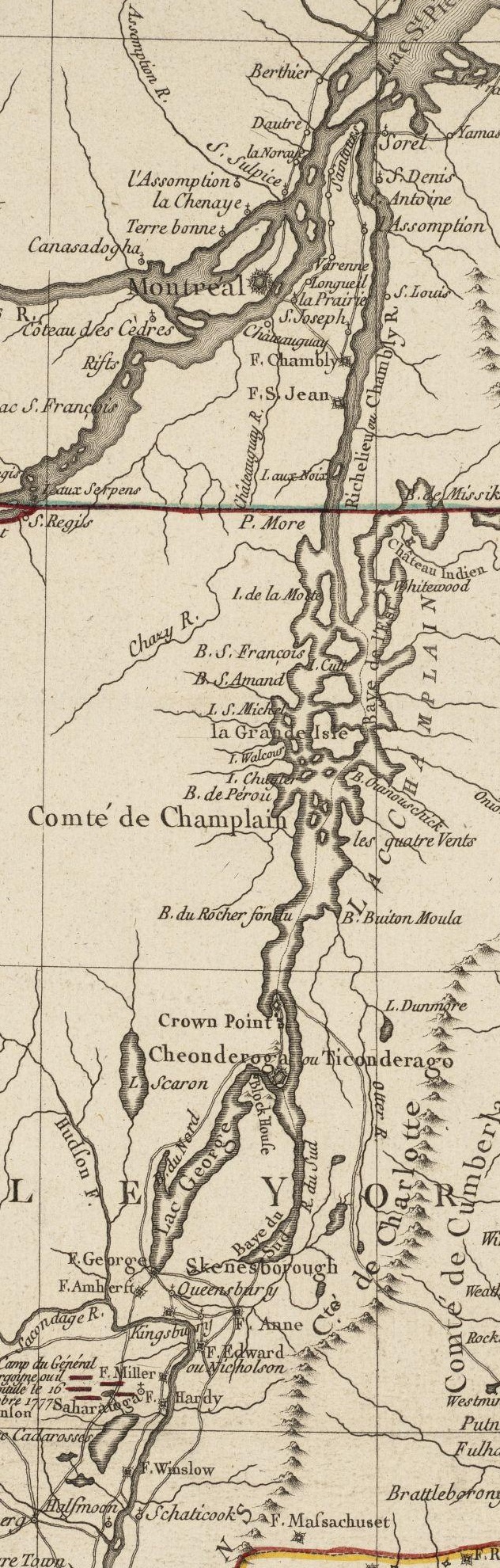
Fort Ticonderoga is an 18th‑century fortress located at the southern end of Lake Champlain in upstate New York. Constructed in the mid‑1700s during colonial struggle for control of North America, the site commanded a key water and land route between the Hudson River Valley and Canada. It is widely known for two pivotal episodes: a costly French victory against British forces in 1758 and the seizure of the fort by American forces in 1775 early in the Revolutionary War.
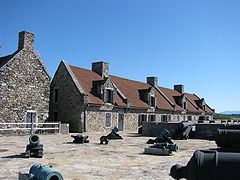
Image gallery
10 Images





Design and principal features
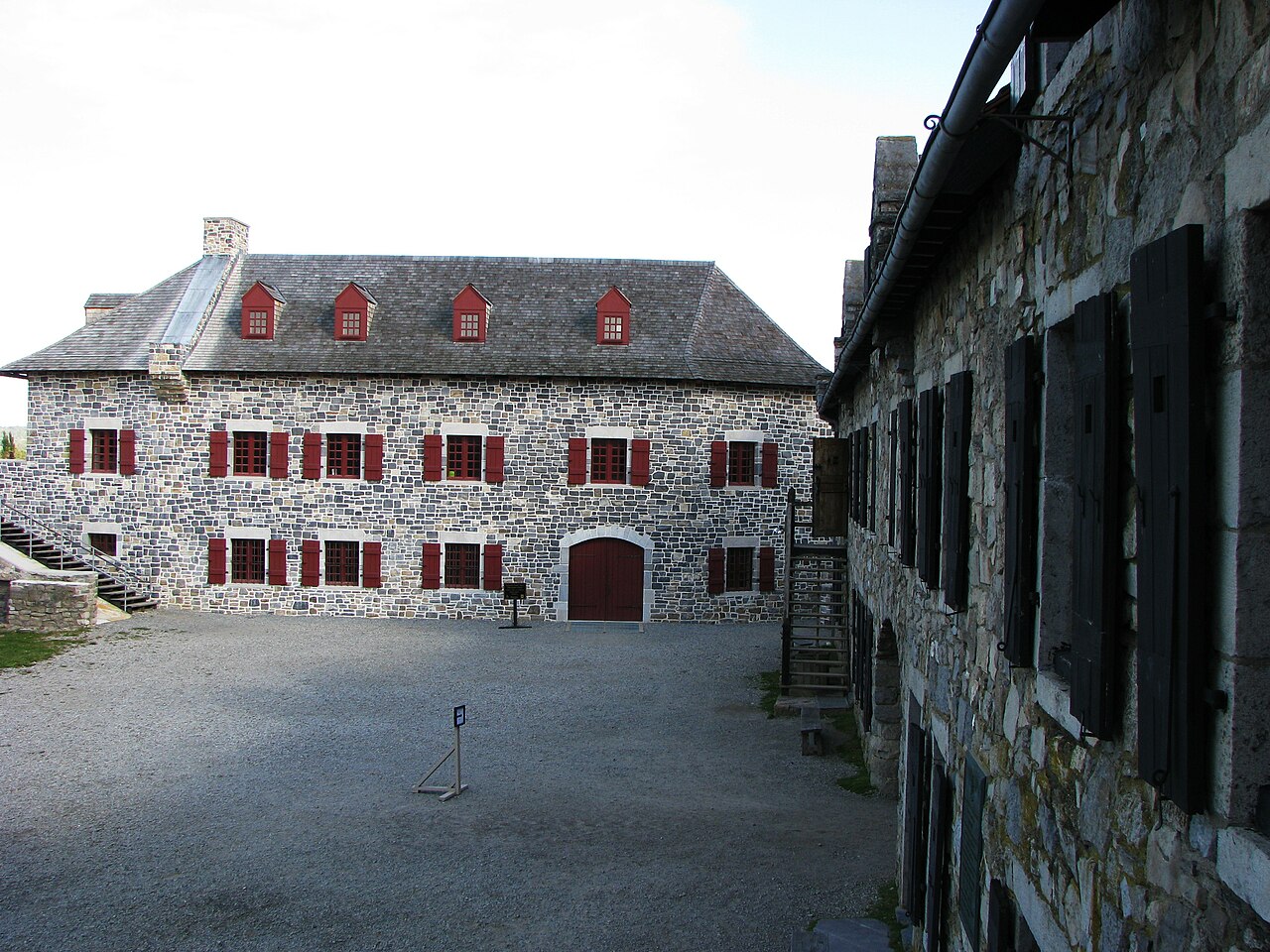
The fort exemplifies the star‑shaped masonry and earthwork fortifications common to European military engineering of the period. Its layout includes bastions, curtain walls, a central parade ground, officers' and soldiers' barracks, magazines for powder and stores, and defensive ditches. Thick walls and angled bastions were designed to reduce blind spots and provide overlapping fields of fire, while internal buildings supported garrison life and logistics.

Historical development
Originally built by the French and called Fort Carillon, the position changed hands as Britain and France fought for control of the continent in the Seven Years' War (the French and Indian War). The British later occupied and renamed it Fort Ticonderoga. During the American Revolution, a small force led by Ethan Allen and Benedict Arnold captured the fort in 1775, securing artillery that was later transported to Boston and used to break the British siege. Control of the fort shifted during the conflict, reflecting its strategic importance.

Uses, importance, and preservation
Beyond its military role, Fort Ticonderoga has become an educational and cultural resource. Since the late 19th and 20th centuries it has been the subject of restoration and archaeological study, and today it operates as a historic site with exhibits, guided tours, demonstrations, and reconstructed gardens. Visitors can explore original and restored structures, interpretive displays about colonial and Revolutionary warfare, and programming that explains daily life in an 18th‑century garrison.

Notable facts and distinctions
- The fort's location made it a focal point in campaigns between British, French, and American forces due to control of inland waterways.
- Its capture in 1775 provided artillery that helped force the British evacuation of Boston.
- Today it is preserved for public education, archaeology, and living‑history demonstrations.

Visitors often remark on the dramatic setting and views across Lake Champlain and the surrounding historic landscape. Archaeological work continues to refine understanding of the site's construction phases and the lives of the soldiers and civilians who lived and worked there.
Related articles
Author
AlegsaOnline.com Fort Ticonderoga: 18th‑Century Star Fort in New York Leandro Alegsa
URL: https://en.alegsaonline.com/art/35783