
1750 — a year in the mid-18th century
A concise account of the year 1750: global context, political and colonial dynamics, economic and technological trends, cultural and scientific life, and its longer-term significance in the Enlightenment and early industrial era.
Overview
The year 1750 sits in the heart of the 18th century and is often treated as a marker of broader mid-century conditions rather than for a single defining event. Europe and its overseas empires dominated global diplomacy and trade, Enlightenment ideas shaped intellectual life, and economic patterns were beginning to shift toward manufacturing and wider commercial networks. Demographically, the world population remained well below one billion, concentrated unevenly across Asia, Europe, Africa, and the Americas.
Image gallery
4 Images

Political and colonial context
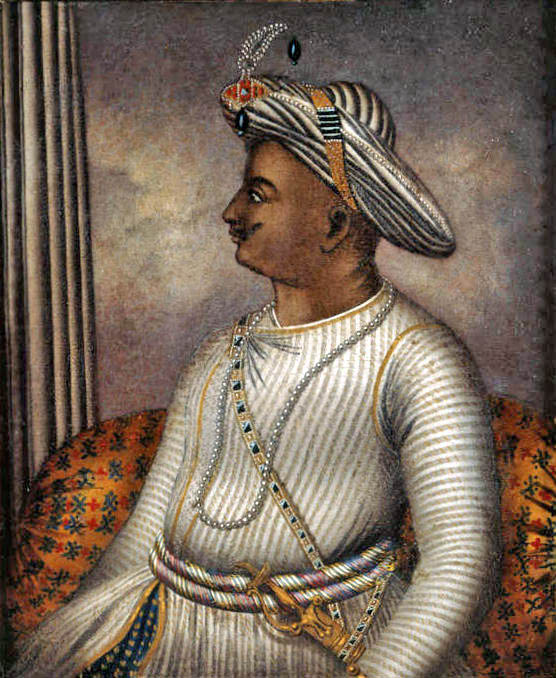
In 1750 the major European powers—Britain, France, Spain, Portugal, and the Dutch Republic—administered extensive colonial possessions. Rivalries over territory, commerce, and influence were routine and would escalate in the following decade into larger wars fought in Europe and overseas. Local authorities, indigenous polities, and colonial societies each navigated shifting alliances and reform efforts that sought to increase state control and revenue from colonies.
Economy and technology
The mid-18th century witnessed continuing proto-industrialization: cottage industries, expanding textile manufacture, and improvements in transport and finance that enabled wider markets. Innovations in machinery and production methods were incremental rather than revolutionary in 1750, but they laid groundwork for the later Industrial Revolution. Long-distance commerce—including the Atlantic slave trade—remained central to many colonial economies.
Culture, science, and intellectual life
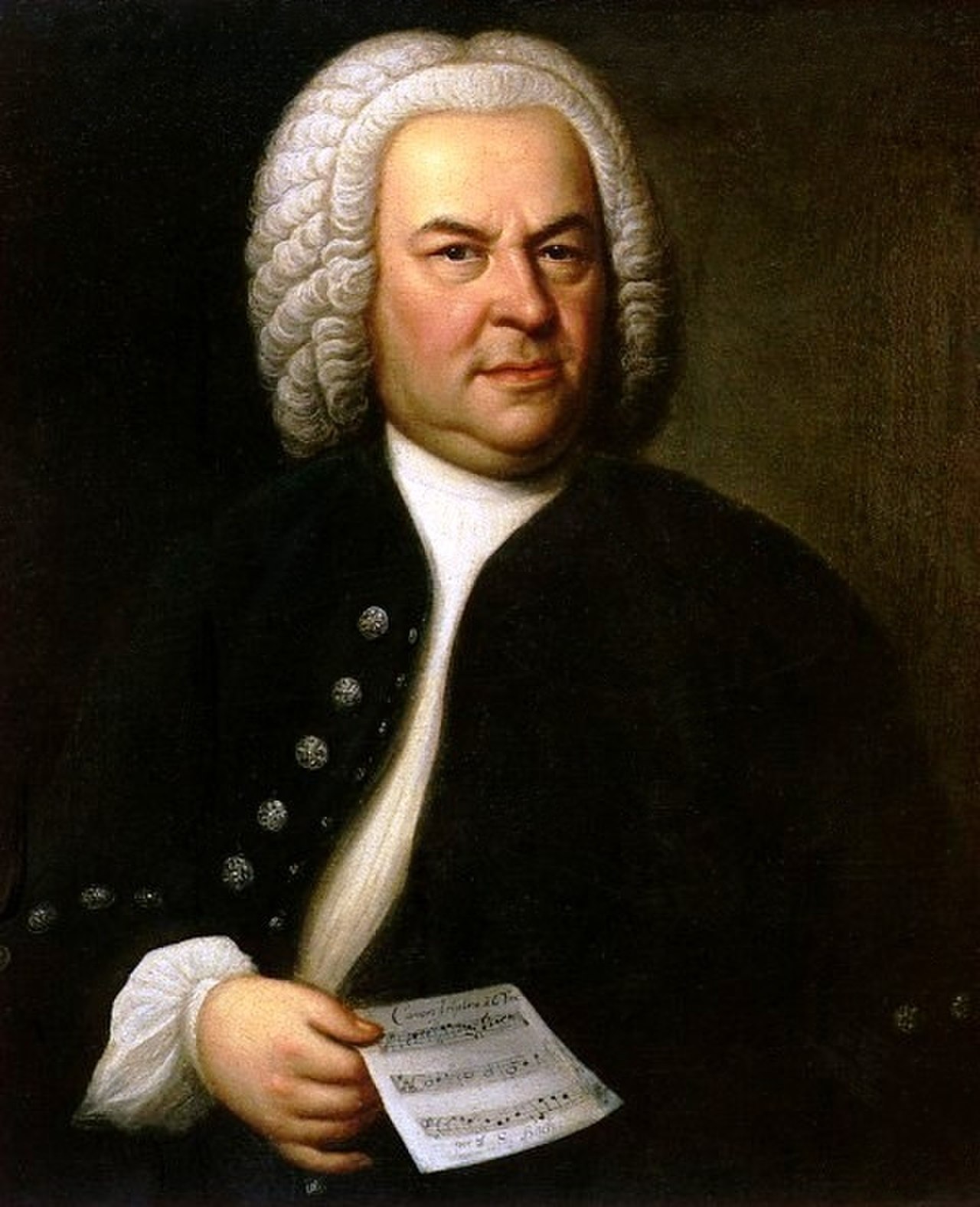
Intellectual currents associated with the Enlightenment shaped debates in philosophy, law, science, and public life. Scientific societies and expanded print culture helped circulate new ideas. In music and the arts, taste was shifting from the high Baroque toward milder classical styles; a notable marker of the period is the death of the composer Johann Sebastian Bach in 1750, which many historians cite symbolically as the close of the Baroque musical era.
Notable themes and legacy
Rather than a year of single dramatic transformation, 1750 exemplifies a transitional moment: growing global connections, intensifying imperial competition, intellectual ferment, and economic changes that would accelerate later in the century. Its importance lies in setting the stage for mid- and late-18th century developments—larger global wars, industrial change, and political revolutions—that reshaped modern history.
- Demographic snapshot: world population under one billion.
- Political: empires consolidating colonial administration and revenue systems.
- Economic: proto-industrial practices and expanding global trade networks.
- Cultural: Enlightenment discourse and a musical transition marked by J. S. Bach's passing.
Related articles
Author
AlegsaOnline.com 1750 — a year in the mid-18th century Leandro Alegsa
URL: https://en.alegsaonline.com/art/111690