
Henry Morton Stanley: Journalist, African Explorer, and Contested Legacy
Welsh-born journalist and explorer Henry Morton Stanley (1841–1904) found David Livingstone, led major African expeditions and later served in Parliament; his methods and role in imperial expansion remain widely debated.
Overview
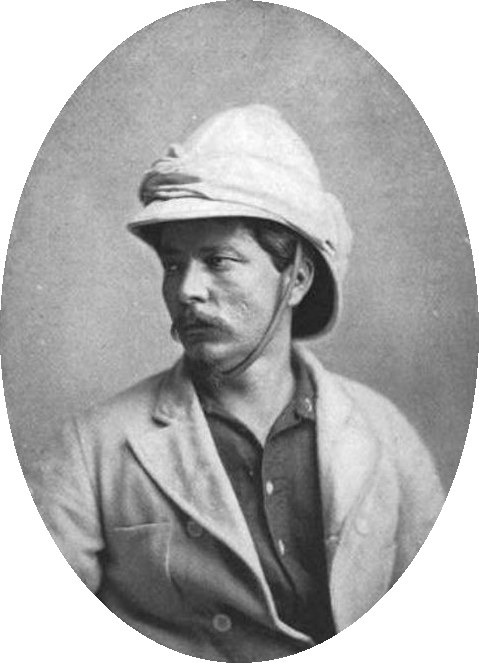
Henry Morton Stanley (born John Rowlands, 28 January 1841 – 10 May 1904) was a Welsh-born reporter, explorer and public figure of the late Victorian era. He achieved international fame after locating the missionary and explorer David Livingstone in central Africa and is remembered for a series of ambitious and controversial expeditions across the continent, including work in the Congo Basin and the Emin Pasha Relief Expedition. His career combined journalism, sponsorship by newspapers and monarchs, and later political office. For general background see contemporary biographies and reference material at biographical summaries.
Image gallery
10 Images






Early life and rise to public attention
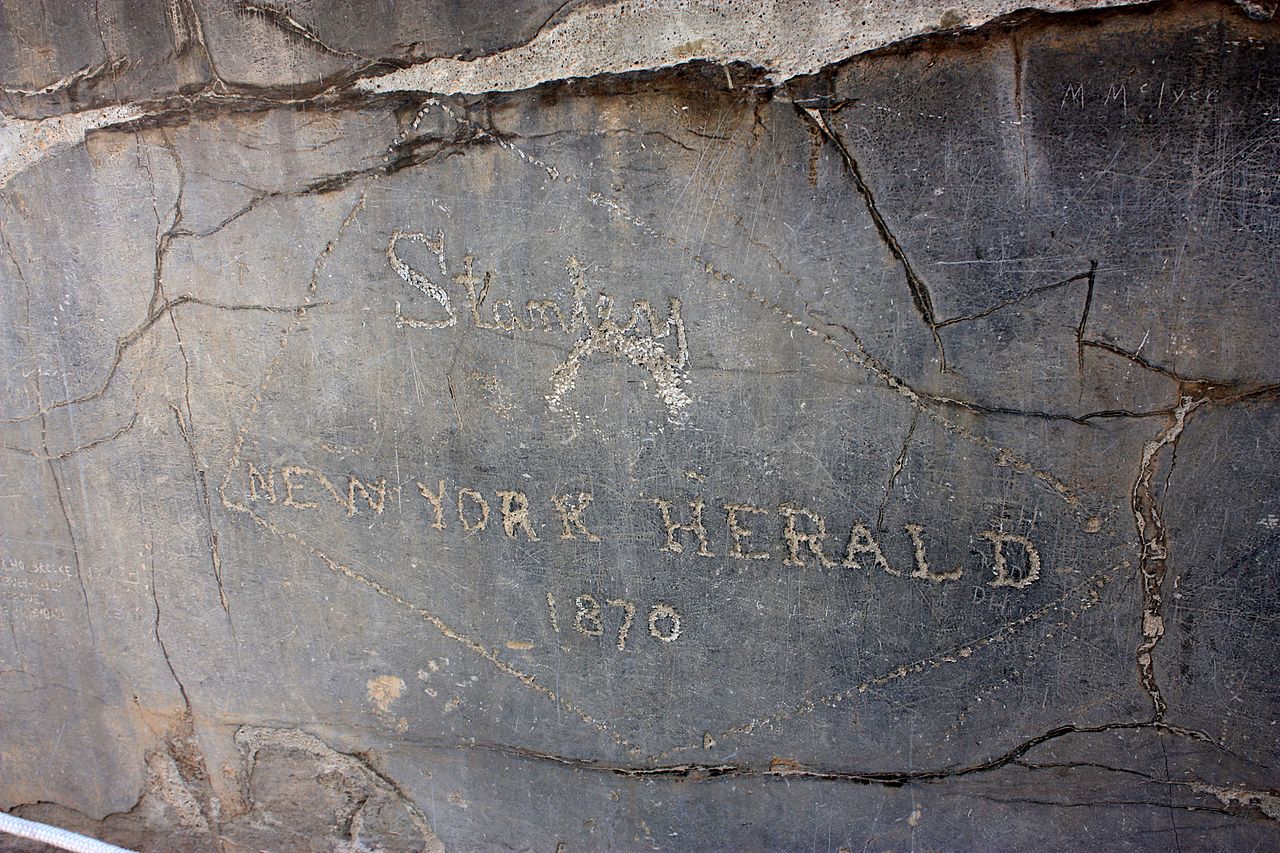
Born as John Rowlands in Wales, Stanley came from a poor background and later adopted the name by which he became known. As a young man he travelled and worked in North America and became a newspaper correspondent. His assignment to search for the missing missionary David Livingstone in the late 1860s and early 1870s made him a household name after he reported that famous encounter; the widely repeated greeting "Dr. Livingstone, I presume?" is part of his public image, though the exact words and circumstances are treated cautiously in historical accounts. For contemporary reporting on the search see period sources and press archives.
Expeditions: Nile, Congo and the search for sources
Following the Livingstone episode, Stanley undertook several major expeditions in central Africa. He navigated and mapped river courses, pushed European knowledge of interior waterways and sought the headwaters of the Nile. His work opened routes into the Congo Basin and contributed to European geographic knowledge of the region. He worked with a combination of local guides, hired porters and European assistants and published detailed accounts of many journeys. Readers can consult contemporary account collections and later summaries at expedition records and geographical studies.
Emin Pasha Relief Expedition
One of Stanley's most controversial undertakings was the Emin Pasha Relief Expedition (1887–1889), mounted amid competing imperial interests. The mission faced extreme logistical problems, disease, difficult terrain and violent encounters. Its organisation and outcomes provoked intense debate at the time and remain a subject of historical study; more detailed treatments can be found at expedition analyses.
Methods, violence and controversy
Stanley used large, often armed contingents and hierarchical command structures to accomplish his objectives. Contemporary observers and later historians have documented episodes of coercion, punitive actions and killings carried out by or associated with his forces. His activities are frequently discussed in the context of 19th-century imperial expansion and the dispossession and violence that accompanied it. Critics link Stanley’s work to the commercial and political projects that paved the way for exploitative regimes in the Congo; defenders have sometimes emphasised the logistical challenges and norms of the time. Readers may consult critical appraisals and differing interpretations at scholarly critiques and historical discussions.
Later life, honours and public role
Stanley returned to Britain, published accounts of his travels, and entered public life. He served as Member of Parliament for Lambeth North from 1895 to 1900 and received official honours during his lifetime, including a knighthood in recognition of his services. His public reputation during his life mixed admiration for his endurance and organisational skill with growing unease about the human cost of imperial exploration. Official records and parliamentary materials relating to this period are available at archival sources.
Legacy and historiography
Henry Morton Stanley's legacy is contested. He is remembered for major contributions to European geographic knowledge of central Africa and for dramatic episodes that captured Victorian public imagination. At the same time, historians and commentators have emphasised the violent and coercive aspects of his expeditions and the role those expeditions played in paving the way for colonial domination and exploitation. Modern scholarship tends to place Stanley within a broader critique of imperialism while continuing to study his notebooks, reports and published narratives to understand both his methods and their consequences. For a range of interpretations and source material consult the linked resources above.
Questions and answers
Q: Who was Sir Henry Morton Stanley?
A: Sir Henry Morton Stanley was a Welsh journalist and explorer known for his exploration of central Africa, search for David Livingstone, search for the source of the Nile, and work in the Congo Basin.
Q: How did Stanley become famous?
A: Stanley became famous for his exploration of central Africa and his search for David Livingstone. When he found Livingstone, Stanley reportedly asked, "Dr. Livingstone, I presume?"
Q: What is Stanley known for besides his search for Livingstone?
A: Stanley is known for his search for the source of the Nile, his work in the Congo Basin, and for commanding the Emin Pasha Relief Expedition.
Q: Why was Stanley highly admired and supported by British and Belgian monarchies?
A: Despite the cruelty and murders of Africans during his expeditions, Stanley was highly admired and supported by British and Belgian monarchies for his exploration and political work in Africa.
Q: What was Stanley's kill rate among Africa's explorers?
A: Stanley has the highest kill rate among Africa's explorers due to the cruelty and murders of Africans during his expeditions.
Q: What was Stanley's political career?
A: Stanley was MP for Lambeth North from 1895-1900.
Q: What was Stanley's birth name?
A: Stanley's birth name was John Rowlands.
Related articles
Author
AlegsaOnline.com Henry Morton Stanley: Journalist, African Explorer, and Contested Legacy Leandro Alegsa
URL: https://en.alegsaonline.com/art/120552
Sources
- brain.oxfordjournals.org : "Editorial"
- doi.org : 10.1093/brain/awn070