
Harold Goodwin (English actor, 1917–2004)
English character actor Harold Goodwin (1917–2004) was known for dependable supporting roles on stage, in classic British war films and in television from the 1940s to the 1990s.
Overview
Harold Goodwin (22 October 1917 – 3 June 2004) was an English character actor whose career spanned stage, film and television for more than five decades. He became widely recognised for playing ordinary, often working‑class men and for supporting parts in a number of major British war films of the 1950s and 1960s. For a concise profile see biographical summary.
Image gallery
1 Image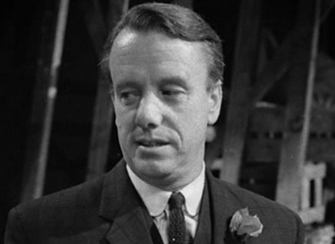
Early life and training
Goodwin was born in Wombwell in the West Riding of Yorkshire and maintained ties to northern England throughout his life and career; his birthplace and upbringing are noted in local accounts and actor profiles such as Wombwell and more broadly England. He received formal dramatic training at the Royal Academy of Dramatic Art, an institution that trained many British stage and screen actors, where he developed the technical foundation that underpinned his later work on stage and screen RADA. After his training he spent several years in repertory theatre, including a period at the Liverpool company, where repertory work helped emerging actors build range and stamina Liverpool repertory.
Stage career
Goodwin's early professional life was shaped by the repertory system. On stage he took a variety of supporting roles that required a dependable ensemble performer rather than leading‑man glamour. That background in live performance informed his timing and presence and made him a reliable choice for directors seeking authenticity in small but important parts.
Screen persona and typical roles
On screen Goodwin was frequently cast as a recognisable type: a flat‑cap wearing, working‑class northerner or a junior military figure. Contemporary casting practices and his own manner made him suitable for grounded, unsentimental supporting roles and earned him steady work in both feature films and television. He is often described in credits and notices as a specialist in working‑class characters associated with Northern England.
Notable films
Goodwin appeared in a string of British films that remain well known. He had memorable supporting parts in major war films and in notable British comedies and dramas of the mid‑20th century. Highlights include:
- The Dam Busters – played Crosby, the batman to Guy Gibson.
- Bridge on the River Kwai – credited among the ensemble supporting cast.
- The Longest Day – part of the ensemble in this large‑scale wartime production.
- The Ladykillers – one of several character roles in acclaimed British comedies.
- The Cruel Sea, Sea of Sand and Angels One Five – further examples of his work in war and naval dramas.
Television work
Goodwin made hundreds of television appearances across drama, comedy and serials. He was cast in popular series of the 1970s and 1980s and continued to work into the 1990s. His television credits are summarised in several cast directories and television credits listings. Notable TV roles included a character part in the sitcom That's My Boy, appearances in All Creatures Great and Small, an episode of Minder (as Dunning in "Get Daley!", 1984) and a later bit part in the sitcom One Foot in the Grave, where he played a window cleaner.
Coronation Street and later roles
In the early 1990s Goodwin appeared in the long‑running soap soap opera Coronation Street, taking the role of Joss Shackleton, the father of Vera Duckworth. The part brought him to the attention of a generation of viewers who followed continuing dramas on British television and demonstrated his capacity to contribute memorable small roles even late in his career.
Acting style and reputation
Goodwin was not a star in the conventional sense but was widely regarded as a dependable supporting actor whose presence added texture and authenticity to productions. Directors and casting agents of the period often sought performers like Goodwin who could convey a clear social type and provide believable interaction with leads. His modesty off screen and professionalism on set are commonly noted in recollections of colleagues.
Later life and legacy
Goodwin continued to work into his later years and died in 2004. He is remembered for a body of work that illustrates the importance of character actors in British film and television history. While he rarely received top billing, his contributions to landmark films and to long‑running television series have ensured he remains a recognizable face to aficionados of mid‑20th century British screen drama.
Further reading and credits
For a fuller list of roles and appearances consult the referenced profiles and cast lists linked above, which collect credits and contemporaneous notices. Many directories and archives provide filmographies and episode guides for the productions mentioned, and these are useful starting points for research into Goodwin's career.
Questions and answers
Q: What was Harold Goodwin's profession?
A: Harold Goodwin was an English actor.
Q: Where was he born?
A: He was born in Wombwell, West Riding of Yorkshire, England.
Q: What type of characters did he usually play?
A: He usually played 'flat cap' wearing working class characters from Northern England or low ranks in the military.
Q: What movies did he appear in?
A: He appeared in many British movies of the 1950s and 1960s, including The Dam Busters, Bridge on the River Kwai, The Longest Day, The Ladykillers, Sea of Sand, Angels One Five and The Cruel Sea.
Q: What television shows did he appear in?
A: He made hundreds of British TV appearances including Minder (as "Dunning", episode "Get Daley!", 1984) and All Creatures Great and Small as well as That's My Boy and Coronation Street in the early 1990s. His last television role was in an episode of One Foot in the Grave in the 1990s playing a window cleaner.
Q: Where did Goodwin train to become an actor?
A: Goodwin trained at the Royal Academy of Dramatic Art.
Related articles
Author
AlegsaOnline.com Harold Goodwin (English actor, 1917–2004) Leandro Alegsa
URL: https://en.alegsaonline.com/art/120330
Sources
- ftvdb.bfi.org.uk : "Harold Goodwin"
- theguardian.com : "Obituary: Harold Goodwin"