
Coronation Street
Overview of Coronation Street: origins, production, format, key performers, cultural impact and international reach of the long‑running UK soap opera.
Coronation Street is a British television soap opera first broadcast in December 1960. Created by Tony Warren, it portrays working‑class life in the fictional district of Weatherfield, a neighbourhood modelled on inner‑city Salford. The series is widely recognised as the United Kingdom's longest‑running television soap and has been a continuous presence on ITV for decades, combining domestic drama, community stories and regular comic moments.
Image gallery
6 Images



History and production
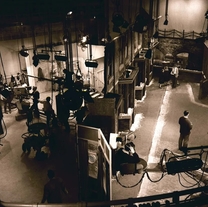
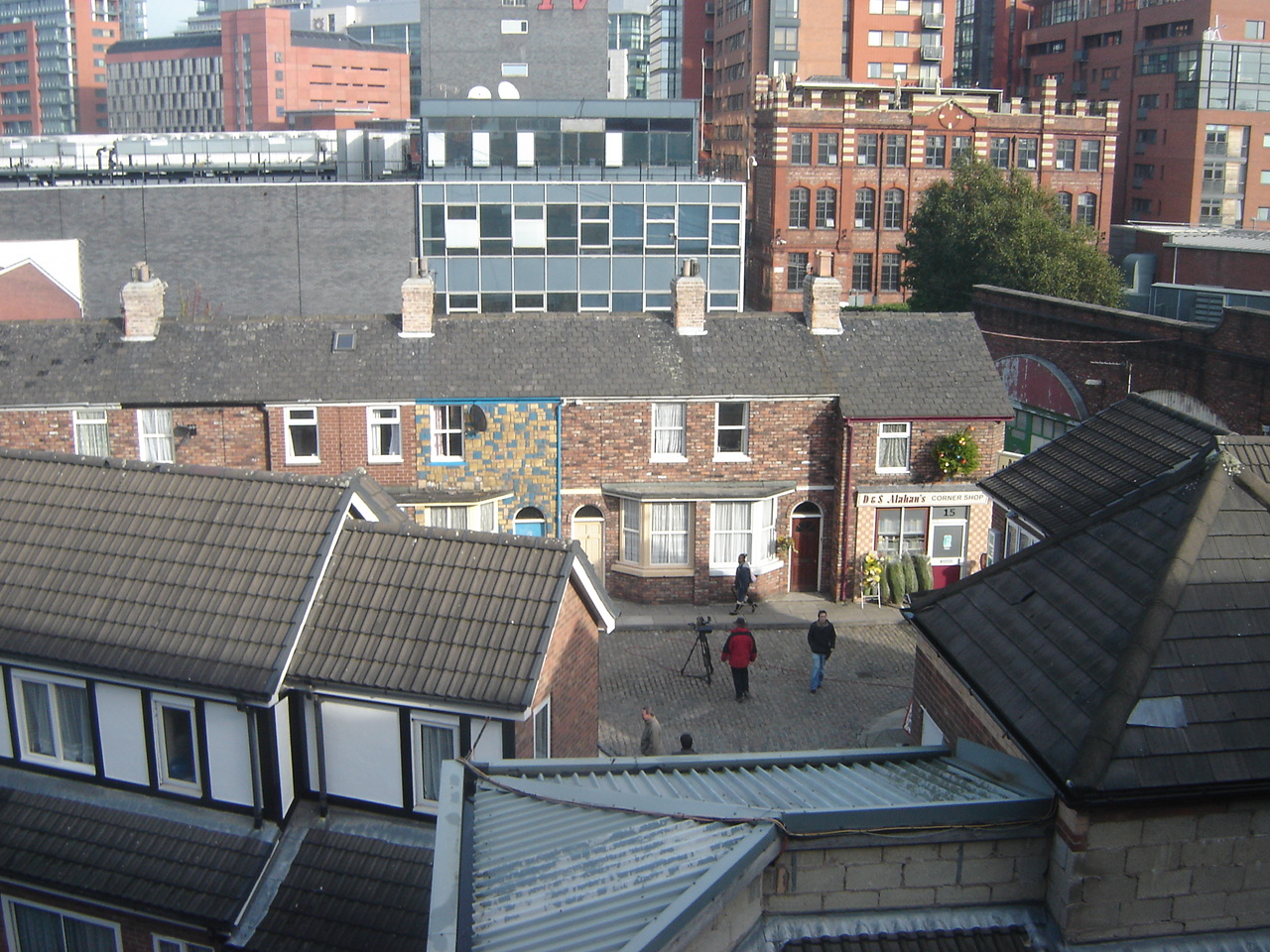
The programme began under Granada Television and was conceived as a realistic depiction of everyday life in a northern English town. Filming took place for many years at Granada Studios in Manchester before production moved to purpose‑built facilities at Salford Quays in the 2010s. Over the decades the show modernised its sets and production techniques while keeping the core locations and the fictional street as the dramatic focus.
Format and broadcast
Coronation Street typically follows a stable ensemble cast whose personal and professional lives intersect within a compact neighbourhood. The broadcast rhythm settled into a schedule of six half‑hour episodes per week, shown as two episodes on Mondays, Wednesdays and Fridays. This frequent schedule allows for a mix of short, self‑contained episodes and longer story arcs that develop over weeks or months.
Characters, casting and longevity
One of the show’s notable attributes is its long‑running ensemble and recurring locations, such as the local pub and small businesses that anchor the street. Some performers have had exceptionally long tenures: William Roache has played Ken Barlow since the first episode. Other long‑standing cast members have included Eileen Derbyshire, Barbara Knox and Helen Worth, who have each contributed decades of appearances and helped form the programme’s continuity of character and community.
Locations, sets and the fictional Weatherfield
Weatherfield functions as a dramatic microcosm where family life, friendships and neighbour disputes are played out. The series uses interior sets and an exterior street set to present a coherent neighbourhood; this concentration on a single street has been a defining structural element since the programme began. While fictional, Weatherfield has roots in and reflects regional culture and accents from its Salford inspiration.
Notable storylines and social themes
Across many decades the soap has addressed domestic and social issues alongside lighter domestic comedy. Storylines have ranged from personal tragedies and relationship breakdowns to contemporary concerns that reflect changes in British society. The combination of character‑driven narrative with occasional topical plots has helped the show remain relevant to successive audiences.
Cultural impact and reception
Coronation Street has been an influential element of British popular culture and has received widespread public attention and industry recognition. It has won awards for acting, writing and production and has at times generated national discussion around particular episodes or storylines. The show has appeared beyond television in other media and public conversation, including a well‑known parody use in a music video by a major pop act in the 1980s.
International reach, commercial partnerships and spin‑offs
Although aimed primarily at a UK audience, the series has been sold and shown in numerous territories and has inspired documentaries and occasional special episodes. It has also had prominent commercial partnerships and sponsorship arrangements with national brands. Such partnerships and international broadcasts have reinforced the show’s profile beyond its original audience.
Records, distinctions and ongoing relevance
Coronation Street is notable for its longevity, its focus on a compact dramatic setting and its loyalty to recurring characters and locations. Over time it has adapted to changing production standards and audience expectations, while continuing to be discussed in relation to regional representation on television and the role of serial drama in public life.
Selected links and references: overview and status, United Kingdom context, comparative soap EastEnders, award records, Salford inspiration, Granada Studios history, William Roache, Eileen Derbyshire, Emily Bishop role, Barbara Knox, Helen Worth, past sponsor, notable music video parody.
Related articles
Author
AlegsaOnline.com Coronation Street Leandro Alegsa
URL: https://en.alegsaonline.com/art/23189
Sources
- manchestereveningnews.co.uk : "Coronation Street 50 Years: 50 fascinating facts from Weatherfield"
- digitalspy.co.uk : "'Coronation Street' lands new sponsor"