
Harold Macmillan, 1st Earl of Stockton
British Conservative statesman who served as Prime Minister from 1957 to 1963, known for post‑war prosperity, managed decolonisation, and political crises including Suez and Profumo.
Overview
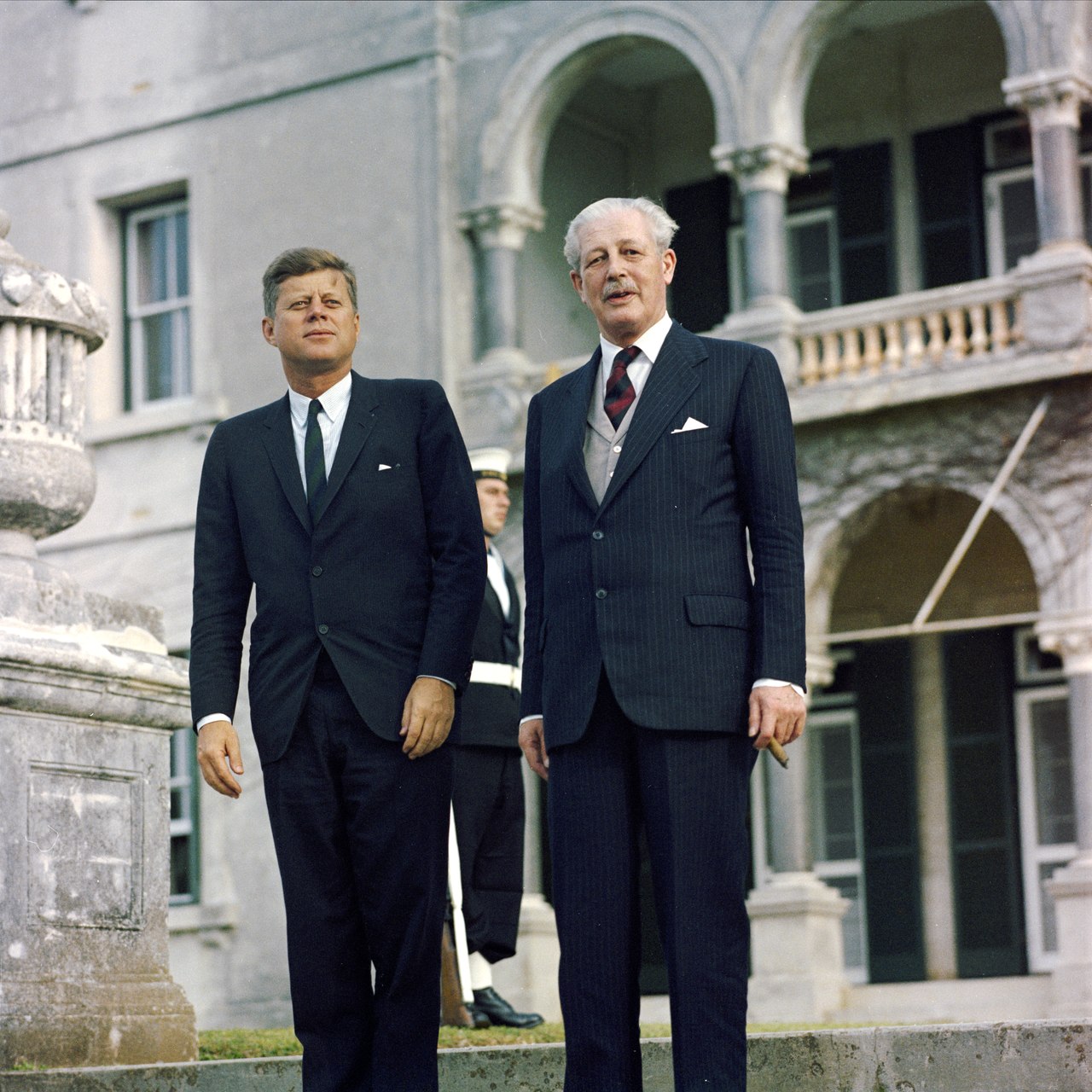
Maurice Harold Macmillan (1894–1986) was a leading British Conservative statesman who served as Prime Minister of the United Kingdom from 1957 to 1963. His premiership coincided with rising mass prosperity, the acceleration of decolonisation, and a series of foreign‑policy and domestic political challenges. He combined experience in military service, family publishing, and long ministerial service to become one of the most prominent figures of mid‑20th century British politics.
Image gallery
10 Images



Early life, military service and publishing
Macmillan served in the Grenadier Guards during the First World War. After the war he worked in his family’s publishing firm, gaining experience in business and public affairs before entering national politics. He entered Parliament at the 1924 general election, lost his seat in 1929 and returned to the House of Commons in 1931. His background combined established social standing with the practicalities of running a commercial enterprise.
World War II and the Mediterranean role
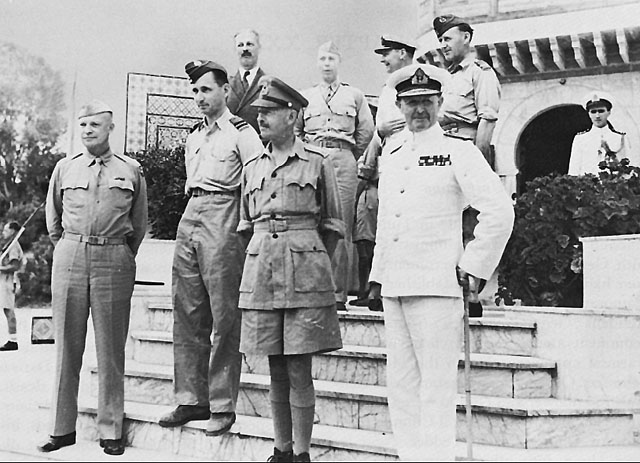
During the Second World War Winston Churchill appointed Macmillan as Minister Resident in the Mediterranean. In that role he acted as an intermediary between London and British forces operating in North Africa and the Middle East, liaising with commanders and local authorities. The appointment increased his reputation as an able administrator and negotiator in complex theatres of war.
Cabinet career
In the postwar years Macmillan held a succession of senior offices, including periods as Foreign Secretary and Chancellor of the Exchequer. His steady rise in the Conservative Party was marked by a reputation for competence and effective management of departmental responsibilities. When Sir Anthony Eden resigned after the Suez Crisis, Macmillan became Prime Minister and Leader of the Conservative Party.
Premiership: economy and society
Macmillan presided over a period of generally rising living standards. His government emphasised economic stability, expanding consumer opportunity and increased home ownership. In the July 1957 Bedford speech he expressed the theme that many in Britain had "never had it so good," a phrase that came to symbolise the sense of improved material wellbeing. The era was also characterised by relatively low inflation and low unemployment, though prosperity was not evenly distributed across all social groups or regions.
Decolonisation and foreign policy
Macmillan recognised that British global influence and imperial structures were changing. He acknowledged nationalist movements in Africa and Asia and set a tone that accepted the inevitability of decolonisation. His government moved to manage transitions to independence in a number of territories rather than attempt to maintain formal imperial control. On the European front his administration sought closer relations with the continent and made an application to join the European Economic Community.
Domestic politics and crises
The later years of Macmillan’s administration were marked by turbulent political episodes. A dramatic cabinet reshuffle in 1962, widely referred to as the "Night of the Long Knives," and the 1963 Profumo scandal damaged public confidence in the government and exposed weaknesses in political management. These events, together with internal party pressures and health concerns, contributed to his decision to resign in 1963.
Resignation, peerage and later assessment
Macmillan resigned from the premiership and subsequently accepted a peerage as Earl of Stockton. In retirement he remained an influential elder statesman and a figure of public interest. Historians typically credit him with guiding Britain through a period of relative prosperity and for adopting a pragmatic approach to the end of empire, while noting failings in political oversight and the handling of crises that eroded his administration’s standing.
Personality and public image
Known for an urbane manner, dry humour and cultivated public persona, Macmillan often embodied a moderate and managerial conservatism. Popular culture of the time created the caricature of "Supermac", reflecting both admiration and satire of his leadership image.
Further reading and links
- Biography overview
- Conservative Party history
- Prime Ministerial record
- About the United Kingdom
- 1924 general election
- North Africa campaign context
- Middle East wartime operations
- Foreign Secretary role
- Chancellor of the Exchequer role
- Anthony Eden
- Leader of the Conservative Party
- Labour market and unemployment
- Bedford speech (July 1957)
Questions and answers
Q: What was Maurice Harold Macmillan's title?
A: Maurice Harold Macmillan was the 1st Earl of Stockton, OM, PC.
Q: When did he serve as Prime Minister of the United Kingdom?
A: Maurice Harold Macmillan served as Prime Minister of the United Kingdom from 1957 to 1963.
Q: What military service did he take part in during World War I?
A: During World War I, Maurice Harold Macmillan served in the Grenadier Guards.
Q: When did he enter Parliament?
A: Maurice Harold Macmillan entered Parliament at the 1924 general election.
Q: What role did he have during World War II?
A: During World War II, Churchill made Macmillan Minister Resident in the Mediterranean which made him a go-between for Churchill and British forces in North Africa and Middle East.
Q: Who succeeded him as Prime Minister after Suez Crisis?
A: After Suez Crisis, Sir Anthony Eden succeeded him as Prime Minister and Leader of Conservative Party.
Q:What phrase is associated with his time as Prime Minister? A:The phrase associated with his time as Prime Minister is "never had it so good".
Related articles
Author
AlegsaOnline.com Harold Macmillan, 1st Earl of Stockton Leandro Alegsa
URL: https://en.alegsaonline.com/art/120336