
Harold Lloyd: Silent-era Comedian, Stunt Performer, and Filmmaker
Harold Lloyd (1893–1971) was a leading American silent film comedian known for his round‑glassed "everyman" persona, daring stunts, and films like Safety Last! His work influenced screen comedy and stunt craft.
Overview
Harold Clayton Lloyd, Sr. was an American comedian, actor and producer whose career began in the 1910s and whose work helped define the visual language of silent comedy. He was born April 20, 1893 and died March 8, 1971; many biographies and film histories mark him alongside other giants of the era for his combination of comic timing and physical daring. Biographical summaries typically emphasize both his prolific output and the distinctive visual image he cultivated.
Image gallery
10 Images



Career and screen persona
Lloyd made nearly 200 films, moving from short comedies to feature-length pictures as the industry matured. He created an affable, optimistic “everyman” character usually identified by round horn‑rimmed glasses, a straw boater or suit, and a mix of resourcefulness and earnestness. This persona distinguished him from contemporaries and is often discussed in accounts of silent-screen comedy. See also roles and credits in actor and production histories. Actor and producer listings reflect his multiple responsibilities on set.
Stunts, craftsmanship and famous scenes
Lloyd’s films frequently contained elaborate "thrill" sequences: daring physical set pieces that combined suspense and comedy. The most famous is the rooftop clock sequence from Safety Last! (1923), in which Lloyd appears to climb a tall building and hang from a large clock face. He performed many of his own stunts and worked closely with stunt crews and camera teams to achieve precise visual effects and safe‑looking danger. Film historians often highlight his technical skill in staging and editing these episodes. Thrill comedy summaries give context to this approach.
Injury and adaptations
During a 1919 accident with a prop device, Lloyd lost his right thumb and index finger. Rather than end his career, he adapted his costumes and filming techniques and continued to perform demanding physical routines. The injury and his subsequent return to vigorous filmmaking are recurring subjects in biographies and retrospectives. Several analyses of stunt safety and early special effects reference this episode. Contemporary accounts and later histories discuss how he accommodated the loss.
Legacy, comparison and commerce
Along with Charlie Chaplin and Buster Keaton, Lloyd is considered one of the leading figures of silent-film comedy. Critics and scholars note differences among them: Chaplin often used pathos and social satire, Keaton favored deadpan and technical ingenuity, and Lloyd emphasized optimism, situational comedy and spectacular stunts. Commercially, Lloyd was extremely successful during his career; some contemporary estimates rank his earnings and box‑office returns among the highest of his peers. Researchers frequently cite the economic as well as artistic impact of his films. Comparative studies and financial retrospectives explore these claims and figures. Earnings and records are summarized in studio and estate records.
Notable films and preservation
Key titles include Safety Last! (1923), The Freshman (1925) and Speedy (1928), among others. Lloyd moved into sound pictures with mixed creative choices but remained influential for his earlier achievements. In later decades his films were restored and reissued, and institutions and collectors have worked to preserve his negatives and prints. Film archives and foundations maintain resources for scholars and fans. Film lists and preservation projects provide further reading.
Death and ongoing recognition
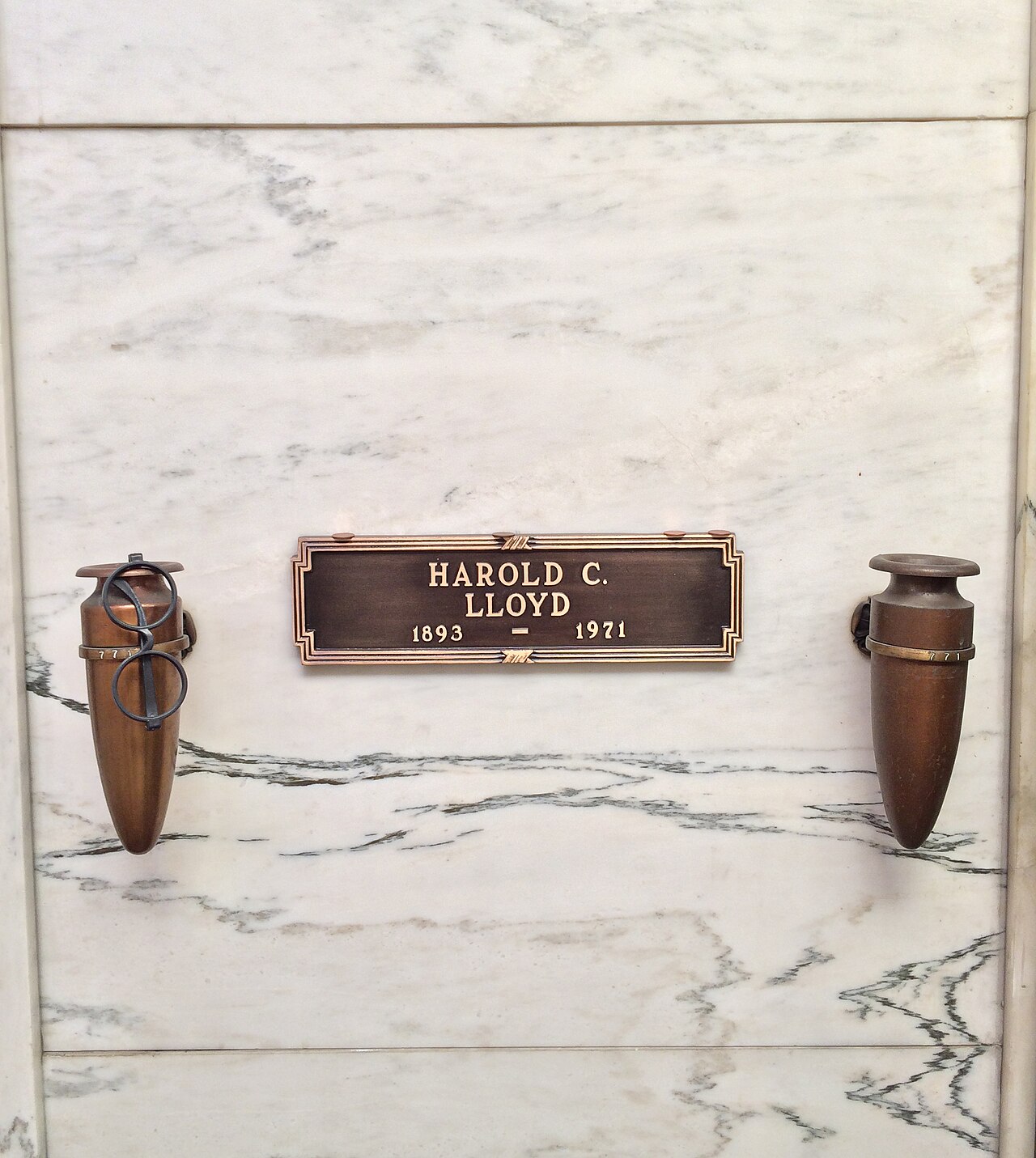
Harold Lloyd died in 1971 of prostate cancer. Over the years his work has been reevaluated and celebrated through retrospectives, restored releases and scholarly study, securing his place in film history as an innovator of comedic performance and cinematic stunt work. For biographical notices and memorials see film history sites and archival repositories. Obituaries and memorials.
- Persona: The round‑glasses everyman.
- Technique: Stunt-driven, carefully staged visual comedy.
- Highlights: Safety Last!, The Freshman, Speedy.
- Legacy: Influential among comedians and stunt performers.
Related articles
Author
AlegsaOnline.com Harold Lloyd: Silent-era Comedian, Stunt Performer, and Filmmaker Leandro Alegsa
URL: https://en.alegsaonline.com/art/120335