
Harold Holt: Australian Prime Minister and the 1967 Disappearance
Biography and overview of Harold Holt (1908–1967): his political career, policy positions, disappearance while swimming, official findings, myths and legacy in Australian culture.
Overview
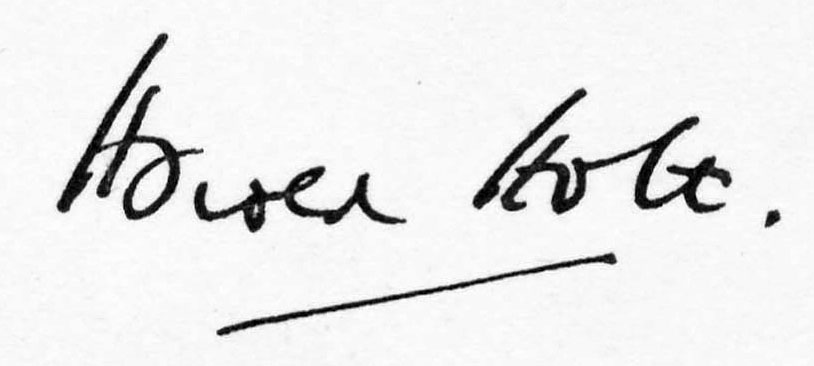
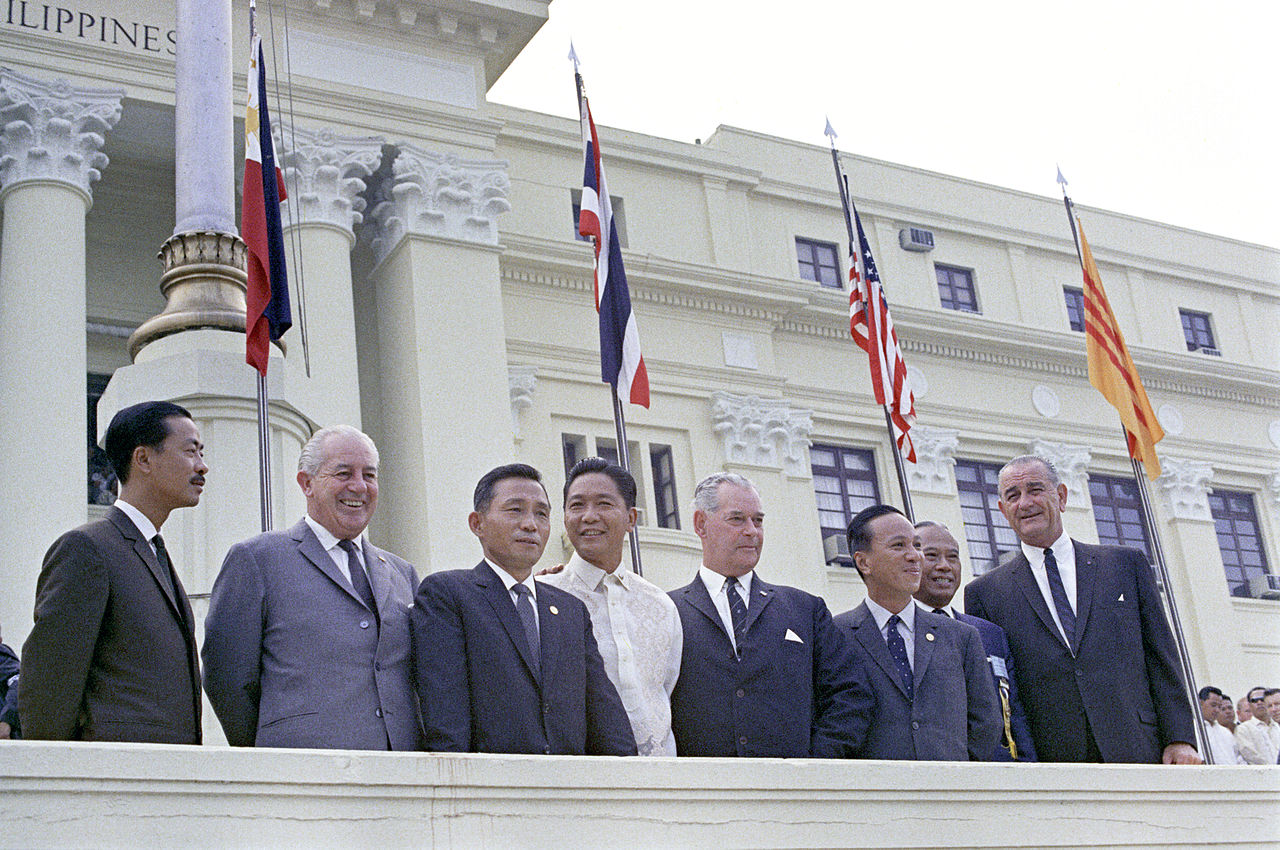
Harold Edward Holt (5 August 1908 – 17 December 1967) was an Australian politician who served as the 17th Prime Minister of Australia. He led the federal government as head of the Liberal Party after the retirement of Robert Menzies and remained in office from early 1966 until his unexpected disappearance late in 1967. During his time as prime minister he was associated with closer security and diplomatic ties to the United States and support for Australian involvement in the Vietnam conflict. For background on his office and nation see Prime Minister and Australia.
Image gallery
10 Images




Political career and positions
Holt entered federal politics in the 1930s and was a senior minister in the long Menzies governments of the 1950s and early 1960s. He became leader of the Liberal Party and prime minister following Robert Menzies' retirement. Holt continued many policies of his predecessor while also promoting a visibly pro-Western, anti-communist foreign policy. He publicly supported closer defence cooperation with the United States and an ongoing commitment to the allied presence in Southeast Asia. Contemporary accounts note his pragmatic approach to economic and social matters, and his government maintained continuity on many domestic programs.
Key characteristics and actions
- Leadership style: Seen as affable and media-friendly, Holt was known for his personal charm and public visibility.
- Foreign policy: His tenure reinforced Australia’s alliance with the United States and participation in collective security arrangements; he spoke in favour of the Australian contribution to the Vietnam effort linked to regional security concerns.
- Domestic governance: Holt carried forward the Liberal Party’s market-oriented and conservative domestic agenda of the era, focusing on stability and measured reform rather than sweeping change.
Disappearance and official response
On 17 December 1967 Holt disappeared while swimming at a coastal location in Victoria. He was last seen in the sea and did not return. Despite extensive searches by sea, air and land, no body was ever recovered. A coroner and official enquiries examined the circumstances and concluded that the most likely explanation was accidental drowning; however, absence of a body left room for speculation and public curiosity. The event shocked Australia and prompted immediate government continuity measures until a new party leader and prime minister could take office.
Aftermath, myths and cultural impact
The unresolved physical details of Holt’s disappearance contributed to the spread of alternative theories and urban myths. Over the years stories have ranged from accidental drowning to more imaginative explanations. Many of these claims are unproven and are treated as part of popular folklore rather than established history. The episode entered Australian popular culture and language: references to his name are sometimes used wryly to denote an unexplained vanishing or absence.
Legacy and notable facts
- Holt is remembered for maintaining continuity with the postwar Liberal governments and for emphasizing Australia’s ties with Western allies, especially the United States; see commentary on relations with the United States.
- His government’s stance on Southeast Asia is commonly associated with the broader Australian role in the Vietnam War era.
- The circumstances of his disappearance have made Holt a frequent subject of historical discussion, official study and popular storytelling, and they have led to a careful distinction in scholarship between verified facts and rumor.
For additional context on Holt’s predecessor and political milieu, readers may consult material relating to Robert Menzies and the political landscape of Australia in the mid-20th century. Scholarly accounts emphasize Holt’s role as a transitional figure who upheld established alliances and domestic policies while his unexpected death curtailed any longer-term program he might have pursued.
Related articles
Author
AlegsaOnline.com Harold Holt: Australian Prime Minister and the 1967 Disappearance Leandro Alegsa
URL: https://en.alegsaonline.com/art/120333
Sources
- theguardian.com : "Harold Holt: the legacy is evident, 50 years after his disappearance | Jenny Hocking"
- sbs.com.au : "Harold Holt: The Australian prime minister who disappeared"
- abc.net.au : "Harold Holt's disappearance and the conspiracy theories that won't vanish"
- republicworld.com : "Today marks 52 years of ex-Australian PM Harold Holt's mysterious disppearance"
- amarujala.com : "एक ऐसा प्रधानमंत्री, जो रहस्यमय तरीके से हो गया था गायब, आज तक नहीं मिला"