
Frederica Sagor Maas
American playwright and screenwriter (1900–2012) who worked in early Hollywood, wrote for The Plastic Age, chronicled her career in an autobiography and lived to be a supercentenarian.
Overview
Frederica Sagor Maas was an American playwright, screenwriter, essayist and author born into a family of Russian immigrants. She lived from 1900 to 2012 and is remembered both for her work in early Hollywood and for the memoir she published later in life. Her career illustrates the opportunities and limits experienced by writers in the studio era.
Image gallery
1 Image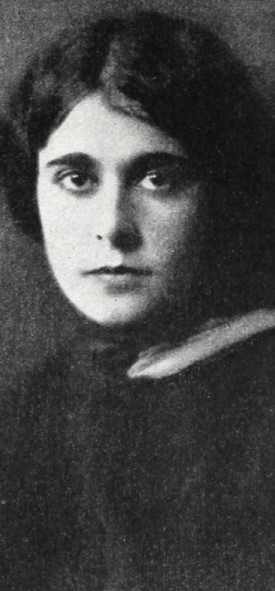
Early life and entry to film
Raised in an immigrant household, Maas moved into dramatic writing as the American entertainment industry expanded. She found steady work in a period when cinema was shifting from short films to feature-length storytelling, and when writers often moved between the stage, the emerging Hollywood studios and the new market for film scenarios.
Screenwriting career
Maas contributed to a number of scripts during the silent and early sound eras, including work that helped popularize performers of the time. One of her better-known credits is on the project linked to the rise of Clara Bow and the teen-oriented picture The Plastic Age. Like many writers of that era, some of her studio work went uncredited or was altered by producers and directors.
Politics, controversy and later reputation
During the mid‑20th century, Maas and her husband attracted suspicion amid the anti-Communist fervor associated with McCarthyism. Reports that they had read or possessed leftist literature contributed to professional difficulties in an environment that often conflated political interest with disloyalty to employers or the state; the episode reflects broader tensions that affected many artists and writers.
Autobiography and longevity
In later decades Maas published an autobiographical account titled The Shocking Miss Pilgrim, in which she reviewed the challenges of being a woman writer in early Hollywood and described studio practices, credit disputes and personal setbacks. Her recollections, and the renewed interest in film history, led to reassessments of her contributions. She also lived to be a supercentenarian, which renewed public curiosity about her story and the era she represented.
Significance and themes
Maas's life illustrates several recurring themes in 20th-century American cultural history: the role of immigrant families in the arts, the precarious position of screenwriters within the studio system, the impact of political surveillance on creative careers, and the value of memoirs for reconstructing early film history. She left behind examples of work and testimony that historians use to understand authorship, gender and labor in classic Hollywood.
Selected themes and works
- Early Hollywood screencraft and uncredited collaboration
- Portrayals of youth and modernity in films like The Plastic Age
- Encounters with anti-communist scrutiny and its professional effects (context on leftist literature)
- Personal memoir as historical source: The Shocking Miss Pilgrim
For introductions to her work and to broader topics connected to her life and era, see entries on dramatists, screenwriters and studies of the studio system in film history resources: biographical summaries, general surveys of screenwriting and archived discussions about McCarthyism and cultural politics.
Related articles
Author
AlegsaOnline.com Frederica Sagor Maas Leandro Alegsa
URL: https://en.alegsaonline.com/art/119217