
Frederick Banting
Canadian physician and researcher who co-discovered insulin, shared the 1923 Nobel Prize, and whose work transformed diabetes care and medical research.
Overview
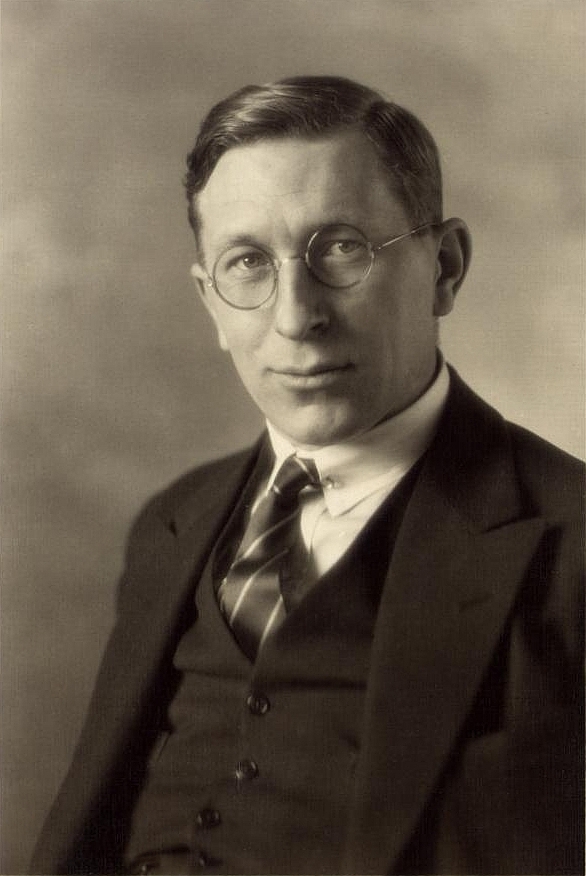
Frederick Grant Banting (November 14, 1891 – February 21, 1941) was a Canadian surgeon and researcher best known for his role in the discovery of insulin. His work helped convert diabetes from a fatal disease into a manageable condition and made him an international figure in medicine.
Image gallery
10 Images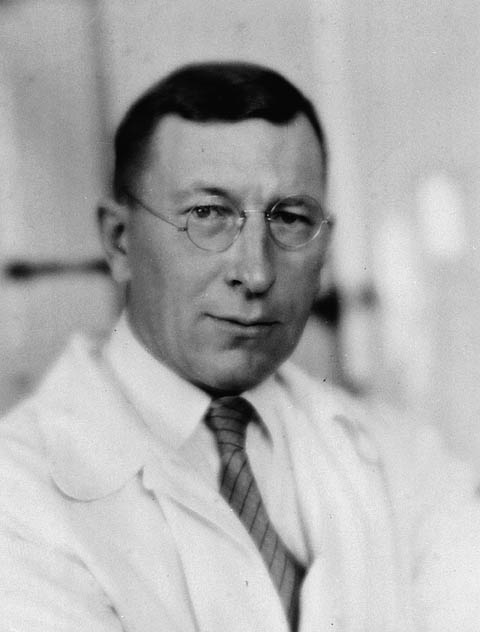



Early life and medical career
Banting trained in medicine in Canada and later worked at the University of Toronto, where he developed the idea that led to isolating the pancreatic extract that lowered blood sugar. Before his breakthrough he practiced as a general practitioner and served in the medical corps during the First World War, experiences that shaped his clinical focus and research approach.
Discovery of insulin
In 1921 Banting began laboratory work with medical student Charles Best and others to extract a substance from the pancreas that regulated blood sugar. Their experiments, aided by biochemist James Collip and supported in the laboratory by physiologist J.J.R. Macleod, led to extracts that could treat experimental diabetes and soon after were used in human patients.
Awards and recognition
In 1923 Banting was awarded the Nobel Prize in Physiology or Medicine, shared with J.J.R. Macleod. He later shared his portion of the prize money with his collaborator Charles Best. Banting has been widely honored in Canada and internationally for the impact of his work.
Later life and legacy
Banting continued medical research and public service until his death in a plane crash in 1941. His contributions are remembered through museums, academic chairs, and institutions bearing his name. Banting's work not only saved lives but also established a model for translating laboratory discoveries into clinical therapies.
Notable facts
- Canadian physician and researcher whose idea launched modern diabetes treatment.
- Worked closely with Charles Best and James Collip in Toronto to develop and purify pancreatic extracts.
- Shared the 1923 Nobel Prize in Physiology or Medicine with J.J.R. Macleod.
- Remembered through Banting House and other commemorations that mark his contribution to medicine.
Related articles
Author
AlegsaOnline.com Frederick Banting Leandro Alegsa
URL: https://en.alegsaonline.com/art/119220
Sources
- nobelprize.org : "Biography of Frederick Banting"
- nobelprize.org : "The Nobel Prize in Physiology or Medicine 1923"