
Clara Bow — Silent‑era Star and the Original "It Girl"
Clara Bow (1905–1965) was a leading American film actress of the 1920s whose energetic screen persona made her the original "It Girl" and a defining figure of the Jazz Age.
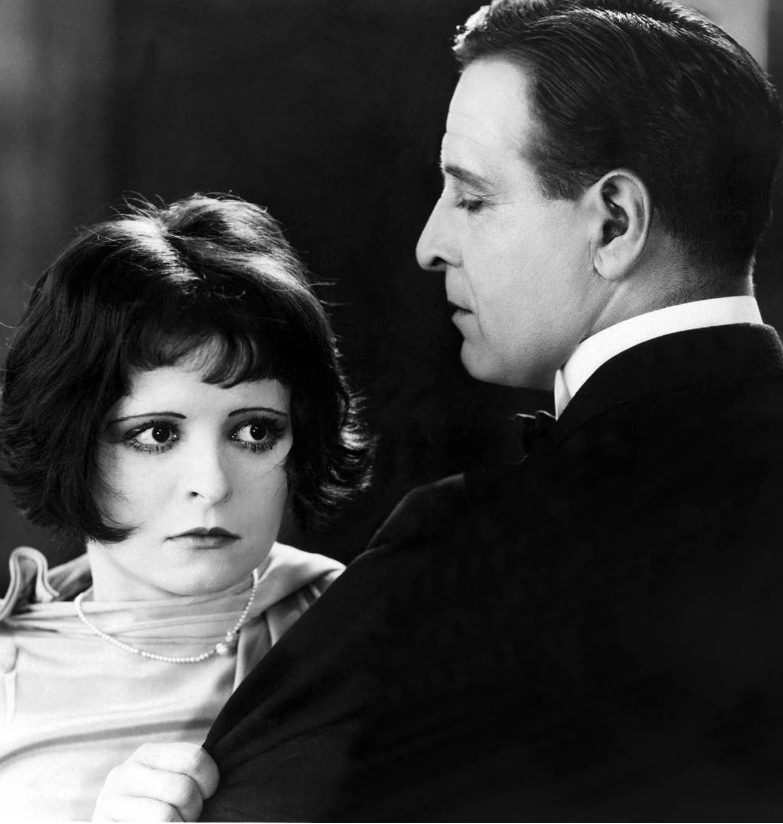
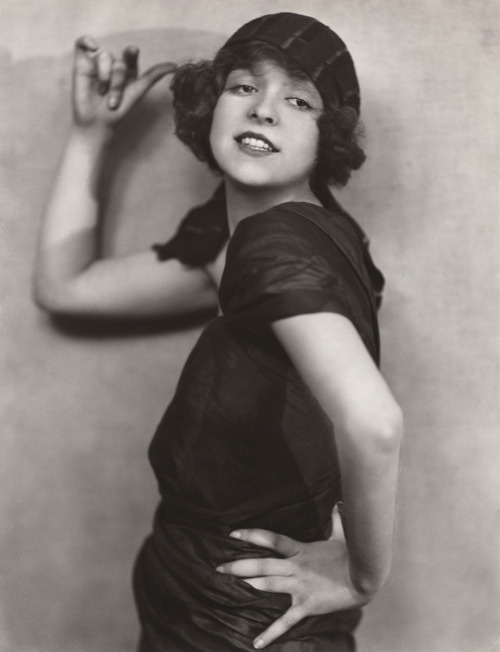
Clara Gordon Bow (July 29, 1905 – September 27, 1965) rose from a working‑class childhood in Brooklyn to become one of the most recognized faces of 1920s American cinema. Her lively, expressive performance style, candid sexuality and on‑screen vitality made her an emblem of the Jazz Age and a national celebrity who shaped contemporary fashion, publicity and youth culture.
Image gallery
10 Images


Early life
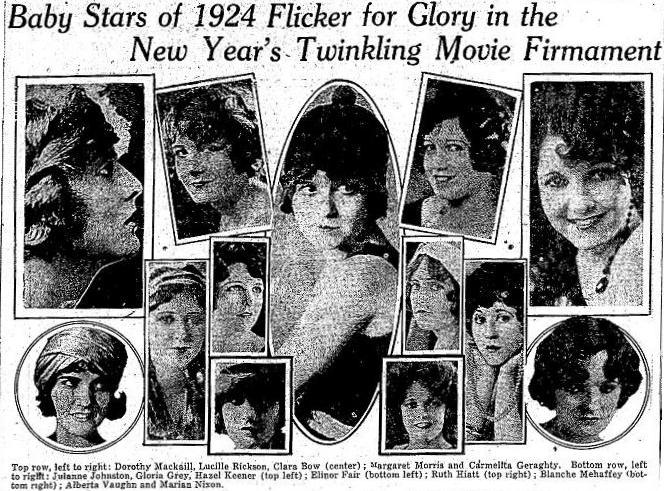
Bow was born and raised in Prospect Heights, Brooklyn. She entered show business as a teenager after success in a beauty or popularity contest, and soon moved into film work. Her background and demeanor helped her connect with audiences who saw in her a modern, energetic type distinct from earlier screen stars.
Career and screen persona
Between 1922 and 1933 Bow appeared in 57 films, rapidly rising from small parts to lead roles. Her breakthrough came with the 1927 romantic comedy It, whose title popularized the phrase "It girl" to describe a woman with magnetic charm and modern appeal. Bow's screen persona—spirited, direct and sexually frank by the standards of the day—made her central to how Hollywood marketed youth and modern femininity during the silent era.
Work during the transition to sound
Like many silent stars, Bow faced the change to talking pictures with mixed results. She appeared in several early sound films and recorded publicity interviews, but the pressures of constant publicity, studio demands and personal strain contributed to her decision to withdraw from full‑time screen work by the early 1930s. She married actor Rex Bell in 1931 and increasingly lived outside the studio system.
Personal life and health
Bow's later life was marked by privacy and by struggles with health and well‑being. In 1944 she suffered a severe personal crisis, often described as a suicide attempt, and received extended psychiatric care. Some contemporary accounts and later reports have used diagnostic labels such as schizophrenia; however, biographers and historians note that medical terminology and records from the period are incomplete and that interpretations vary.
Death and legacy
Clara Bow died of a heart attack in Los Angeles on September 27, 1965, at the age of 60. Her cultural legacy endures in several ways: the popular phrase "It girl" remains in use to describe a charismatic woman who attracts intense attention; film historians point to Bow's career when discussing the emergence of modern celebrity, the publicity practices of the studio system, and changing representations of female sexuality in early twentieth‑century cinema.
Significance and influence
Beyond her filmography, Bow helped define an early model of movie stardom in which public image, fan magazines and personal publicity were essential to box‑office clout. Her candid, immediate acting style influenced contemporary performers and contributed to the visual language of the silent and early sound screen. Scholars continue to study her as a window into gender, celebrity and the social transformations of the 1920s.
Notable facts
- Starred in 57 films released between 1922 and 1933.
- Popularized the label "It girl" after the success of the 1927 film It.
- Retired from regular studio work while still in her twenties and built a private life after marriage.
- Experienced a serious personal and medical crisis in the 1940s; later accounts of her diagnosis are treated cautiously by scholars.
Further reading and resources
- Biography overview
- Filmography and credits
- Brooklyn background
- Early life and family
- Silent film context
- Cinema history resources
- Cultural impact studies
- Los Angeles archives
- California historical materials
- Discussions of early sex symbols
- "It girl" in popular culture
- Studio system and star promotion
- Fan magazines and publicity
- Media coverage of celebrity
- Contemporary press items
- Accounts of health and later life
Questions and answers
Q: What was Clara Gordon Bow's date of birth?
A: Clara Gordon Bow was born on July 29, 1905.
Q: Where was she born?
A: She was born in Brooklyn, New York City.
Q: How many movies did she act in?
A: She acted in 57 movies between 1922 and 1933.
Q: What movie made her a sex symbol?
A: Her work in the 1927 movie It made her a sex symbol.
Q: What does "The It Girl" mean?
A: The term "The It Girl" refers to the most popular girl at the moment.
Q: When did Clara retire from acting?
A: Clara retired from acting at age 28.
Q: What mental illness did she suffer from later in life? A: In 1944, Clara attempted suicide and was diagnosed with schizophrenia.
Related articles
Author
AlegsaOnline.com Clara Bow — Silent‑era Star and the Original "It Girl" Leandro Alegsa
URL: https://en.alegsaonline.com/art/116632