
Carmen Miranda: Portuguese‑Brazilian singer, actress and cultural icon
Carmen Miranda (1909–1955) was a Portuguese-born Brazilian singer and actress famed for energetic performances, flamboyant costumes and fruit-laden headpieces; she helped popularize Brazilian music worldwide.
Overview
Carmen Miranda was a performer whose lively singing, dancing and theatrical costumes made her one of the most recognizable Latin American entertainers of the 20th century. Born in Portugal and raised in Brazil, she rose from radio and stage work to become an international star in the 1930s and 1940s. Her stage persona combined Brazilian rhythms with Hollywood spectacle, and she is often remembered for the fruit-adorned turbans that became a visual shorthand for her image.
Image gallery
10 Images




Early life and rise
Born Maria do Carmo Miranda da Cunha, her family emigrated from Europe to Brazil when she was a child. In Brazil she began performing on radio and in revues, developing a repertoire of samba, popular songs and comedic numbers. Her early success in Rio de Janeiro and São Paulo established her as a major star in Brazilian popular music before international offers arrived.
Career, image and Hollywood
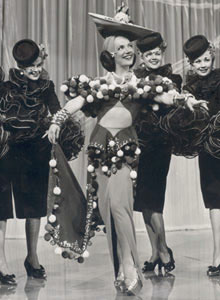
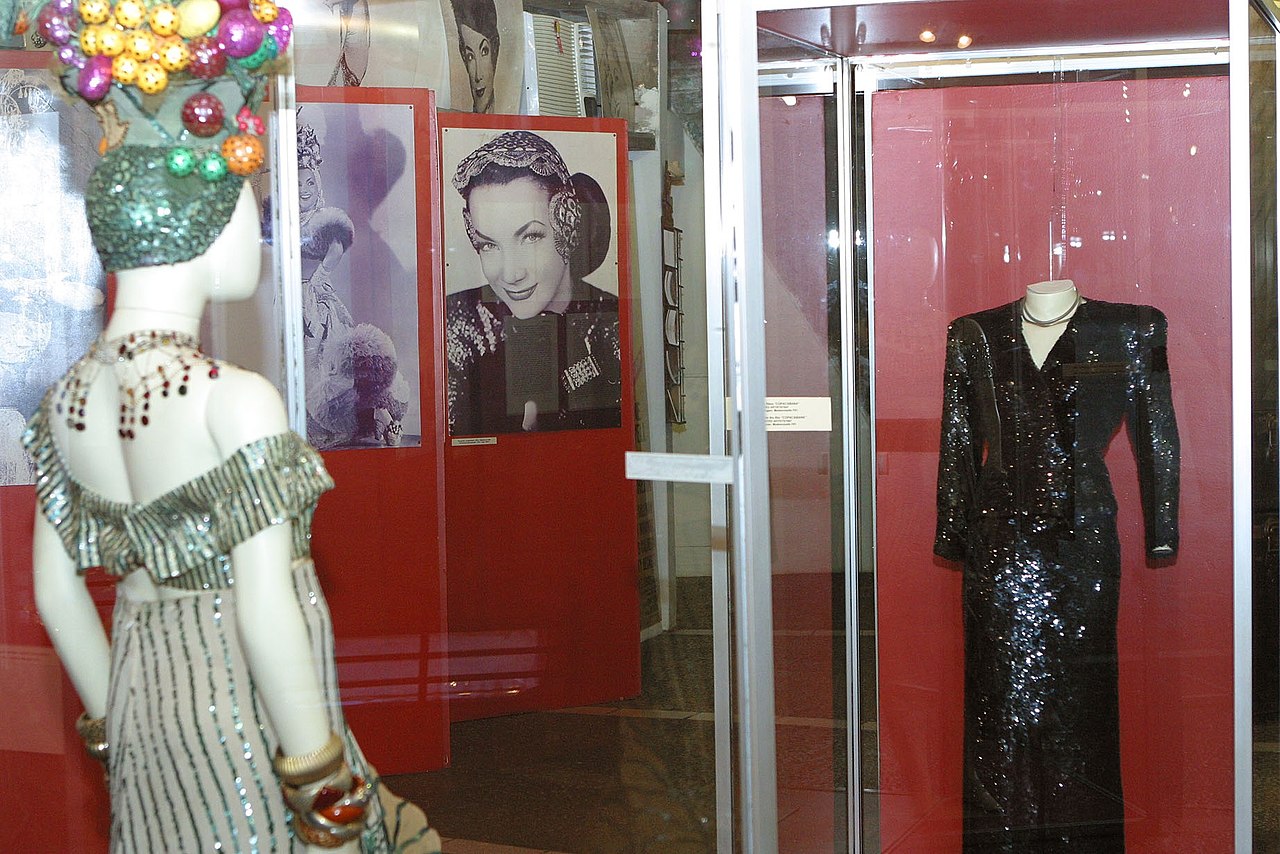
Miranda moved to the United States in the late 1930s to perform on Broadway and in films. In the U.S. she became known as a singer and film actress, appearing in musicals and supporting roles that showcased her dancing and singing. Costume designers amplified her public persona with colorful dresses, sequins and the iconic fruit headdresses that commentators often cite when summarizing her look — an image tied to both nightclub stages and studio sets.
Notable works and examples
- Popular songs and stage numbers from her Brazilian years and American shows.
- Film appearances that brought Latin American music to wider audiences.
- Television and nightclub performances in the later phases of her career.
Legacy and discussion
Carmen Miranda's legacy is complex. She played a major role in introducing Brazilian rhythms to international listeners and remains an iconic figure in fashion and popular culture. At the same time, some critics have argued that her Hollywood persona simplified or stereotyped Latin American identities. Scholars and fans continue to study her career both as a milestone of transnational entertainment and as an example of how popular images are created and circulated.
References and further reading — explore topics such as her Portuguese origins, Brazilian breakthrough, singing career, acting roles, costume design and fruit hat imagery: Portuguese birth, Brazilian career, singer, actress, costumes, hats, fruit hats.
Related articles
Author
AlegsaOnline.com Carmen Miranda: Portuguese‑Brazilian singer, actress and cultural icon Leandro Alegsa
URL: https://en.alegsaonline.com/art/116020