
Carl Goerdeler (1884–1945)
German conservative politician and civil servant who became a leading civilian opponent of the Nazi regime; mayor of Leipzig (1930–37) and a designated chancellor in the 20 July plot. Executed in 1945.
Overview
Carl Friedrich Goerdeler (31 July 1884 – 2 February 1945) was a prominent monarchist and conservative public figure in Germany. By training and profession he combined roles as a politician, civil servant and noted economist. Best known for his leadership in the civilian resistance to National Socialism, Goerdeler was a central planner for a post-Nazi government and a key contact point between conservative elites and opposition officers.
Image gallery
7 Images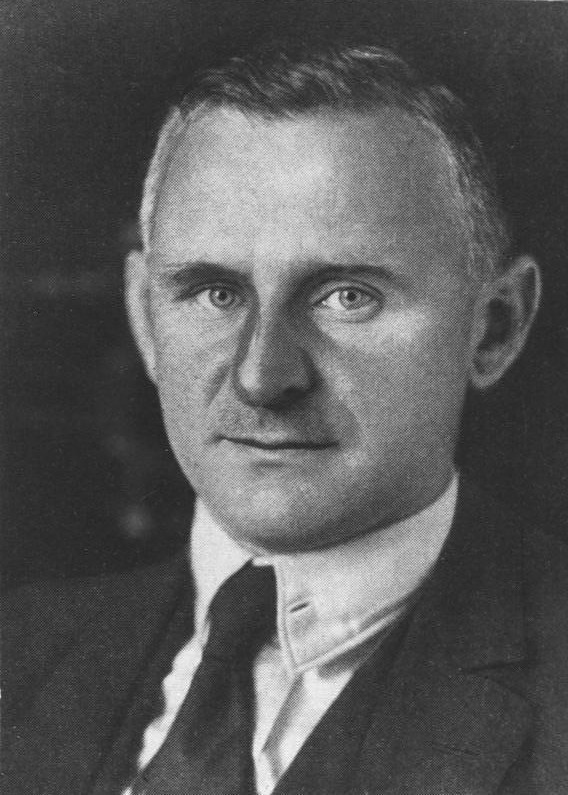




Early career and municipal leadership
Goerdeler rose through the German civil service and conservative political circles in the interwar years. He was appointed mayor of Leipzig in 1930 and served until 1937. During his tenure he emphasized fiscal responsibility, municipal administration and public order. Over time his views put him at odds with many of the Nazi regime’s policies, leading to conflicts with the central authorities and eventually to his resignation.
Political views and resistance activity
Firmly conservative and skeptical of mass totalitarian movements, Goerdeler opposed Nazi rule on legal and moral grounds. From the mid-1930s he became increasingly involved with networks of military officers, diplomats and politicians who sought a negotiated removal of Adolf Hitler. If the conspiracy to kill Adolf Hitler on 20 July 1944 had succeeded, Goerdeler was the civilian politician named to serve as Chancellor in the proposed new government. He prepared detailed plans for political reconstruction, rule-of-law restoration and administrative reform after the regime’s fall.
Arrest, trial and execution
After the 20 July plot failed, Goerdeler was arrested, interrogated and brought before the Nazi courts. Convicted for his part in the conspiracy, he was executed by hanging on 2 February 1945. His arrest and death were part of a wider campaign of reprisals that decapitated the civilian and military resistance networks within Germany.
Legacy and assessment
Goerdeler’s legacy is that of a conservative opponent who sought to replace dictatorship with a restored constitutional order and legal restraint. Historians note his mixture of traditional conservative priorities—order, private property and national renewal—with a willingness to conspire against a criminal regime. His role illustrates the diversity of German resistance and the complex motivations of those who opposed National Socialism from within the political establishment.
Key facts
- Born: 31 July 1884; Died: 2 February 1945.
- Mayor of Leipzig 1930–1937; earlier career in civil administration and public finance.
- Designated civilian leader for a post-coup government if the 20 July plot against Hitler had succeeded.
- Arrested after the failed plot, tried by the Nazi courts and executed by hanging.
Related articles
Author
AlegsaOnline.com Carl Goerdeler (1884–1945) Leandro Alegsa
URL: https://en.alegsaonline.com/art/115984