
Bill Shorten
Australian politician and former Labor leader, unionist and cabinet minister; later served as a minister in the Albanese government and remains a prominent figure in national politics.
Overview
William Richard "Bill" Shorten (born 12 May 1967) is a senior Australian politician and public figure. He first rose to national prominence as a trade union leader before entering federal parliament. Shorten led the Australian Labor Party as Opposition Leader from October 2013 until May 2019 and has since served in ministerial roles in the Albanese government. He is widely known for his focus on workplace relations, social services and disability policy. For an official reference see Australian politician profile.
Image gallery
10 Images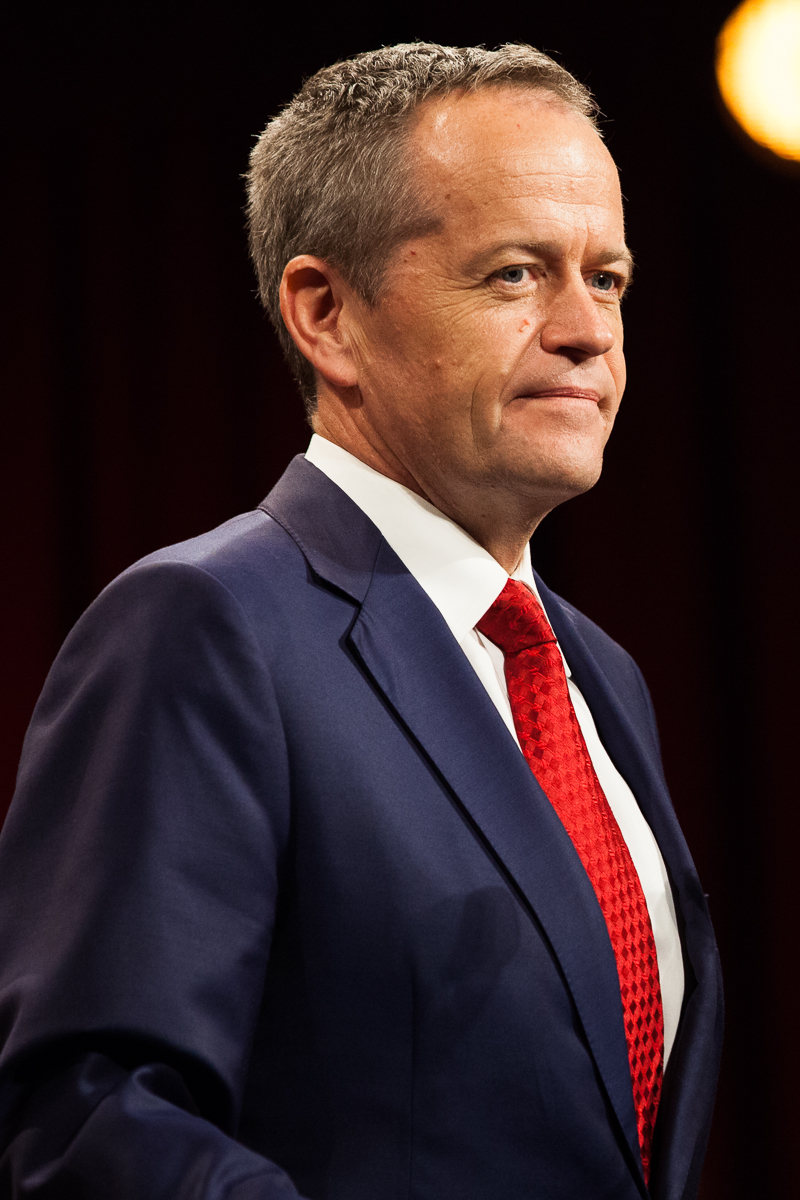



Early life and background
Shorten was born and raised in Melbourne, in the state of Victoria. He is of both English and Irish descent and was brought up in a Catholic family. Before entering parliament he built a career in the union movement and in public policy circles, gaining experience that he later carried into federal politics. He has been married twice and is a father.
Career in unions and parliament
Shorten became a prominent figure in organized labour, holding senior positions in major unions and working on campaigns related to workers' rights and industrial relations. In 2007 he was elected to the House of Representatives and represented a suburban Victorian electorate. During the Labor governments that followed, he served in cabinet and held portfolios tied to employment, social policy and related areas. A summary of key roles:
- Senior union official and leader in the labour movement
- Federal Member of Parliament from 2007
- Cabinet minister in Labor governments prior to 2013
Leader of the Labor Party and Opposition
After Labor's defeat in 2013 Shorten won the party leadership and became Leader of the Opposition. In that capacity he positioned Labor on issues such as public health, education funding, workplace rights and measures to support families and pensioners. He led Labor into two federal elections: in 2016, when the incumbent government was led by Malcolm Turnbull, and in 2019 against the government of Scott Morrison. He contested the office of Prime Minister but was unsuccessful in both elections, including the national poll of 2019. Following the 2019 result he announced his resignation as party leader and was succeeded by Anthony Albanese.
Later roles and public significance
In the 2022 change of government Shorten returned to the ministry, taking on portfolios responsible for government services and the National Disability Insurance Scheme. As a minister he has overseen reforms and administration of services delivered to citizens, particularly in the area of disability support. His experience as a unionist and former opposition leader informs his approach to negotiations, policy design and parliamentary strategy.
Notable facts and distinctions
Shorten's career spans organized labour, parliamentary politics and executive government. He is often described as a pragmatic operator who blends policy detail with campaign skills. Observers note his ability to shape internal party debate and to represent Labor in high-profile national campaigns. For more background and resources see the party and parliamentary references: Labor Party, Leader of the Opposition.
Shorten remains an influential figure in contemporary Australian politics, known for his commitment to social policy, industrial relations and public service delivery. Further reading and official material can be found through parliamentary and party pages linked above.
Related articles
Author
AlegsaOnline.com Bill Shorten Leandro Alegsa
URL: https://en.alegsaonline.com/art/115265
Sources
- perthnow.com.au : "Shortens speak out on their marriage"
- mobile.abc.net.au : "Election 2019: Scott Morrison says 'I have always believed in miracles' as Coalition retains power"