
Australian Labor Party (ALP)
Major centre-left political party in Australia, founded in 1891 and closely linked to the trade union movement. Social-democratic in orientation, it has been a principal force in federal and state politics.
Overview
The Australian Labor Party (ALP) is one of Australia’s two largest political parties. Established in 1891, it is widely regarded as the country’s oldest continuous political party. The ALP identifies with social-democratic principles and has historically maintained formal ties with organised labour and trade unions. The party competes primarily with the Liberal Party and its coalition partners for control of federal and state governments; its federal caucus is led by the party leader, currently Anthony Albanese.
Image gallery
10 Images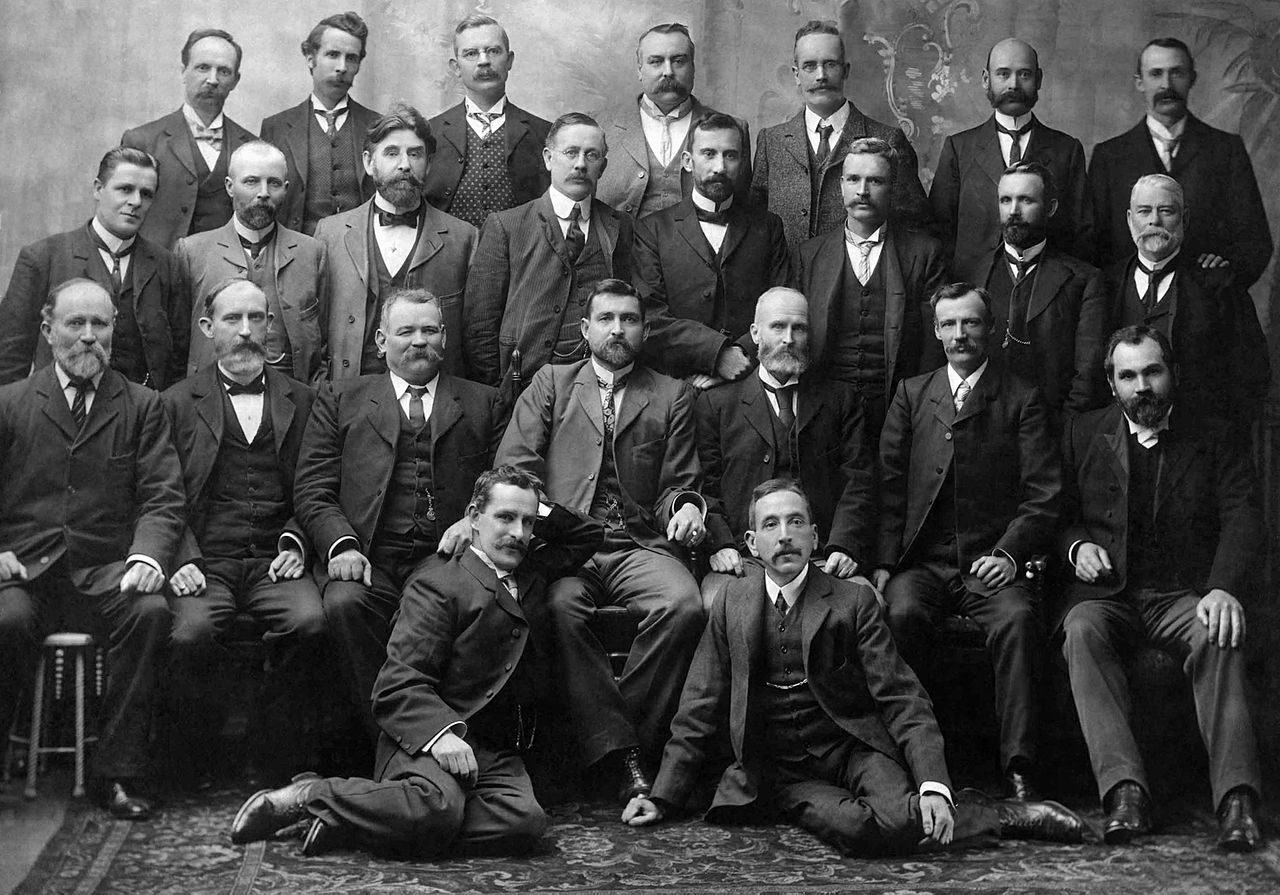

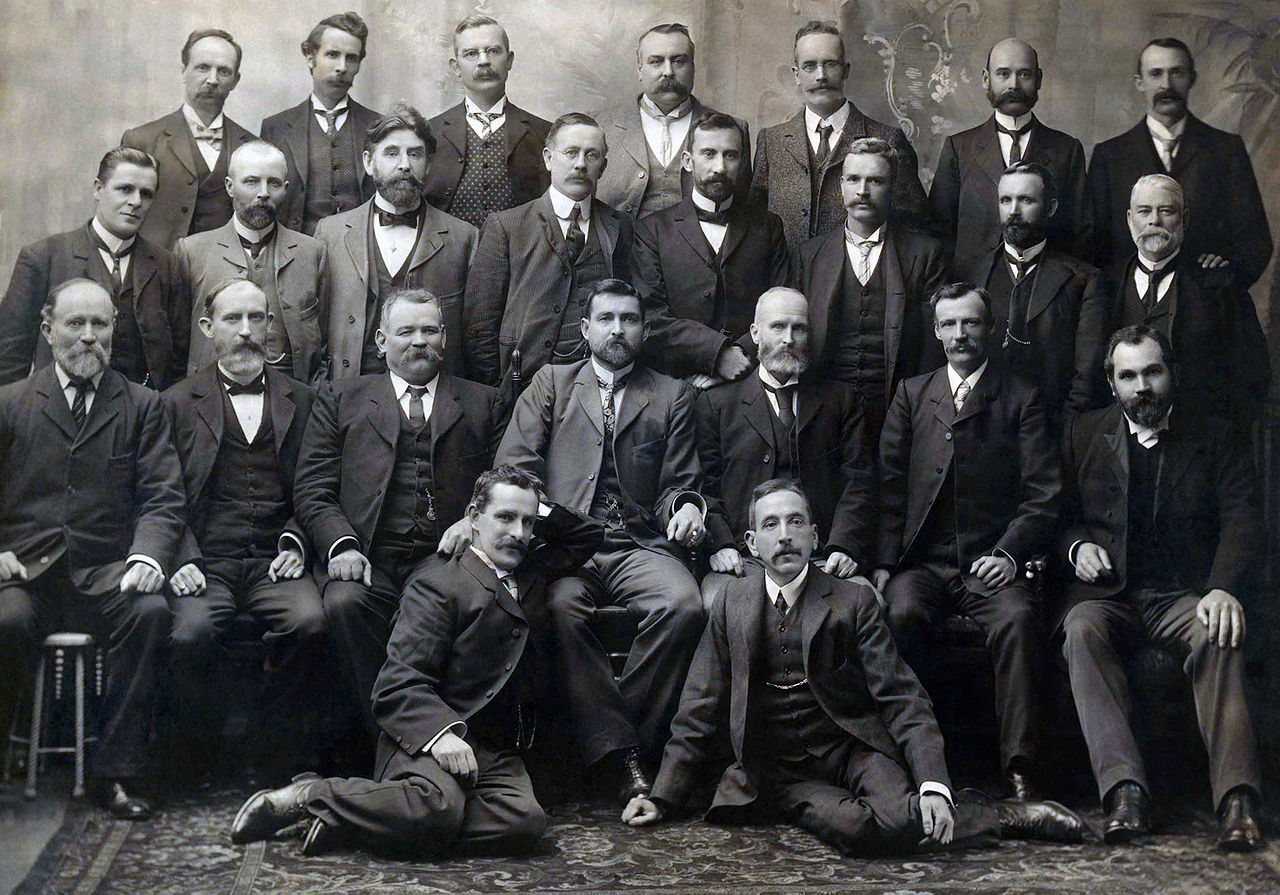


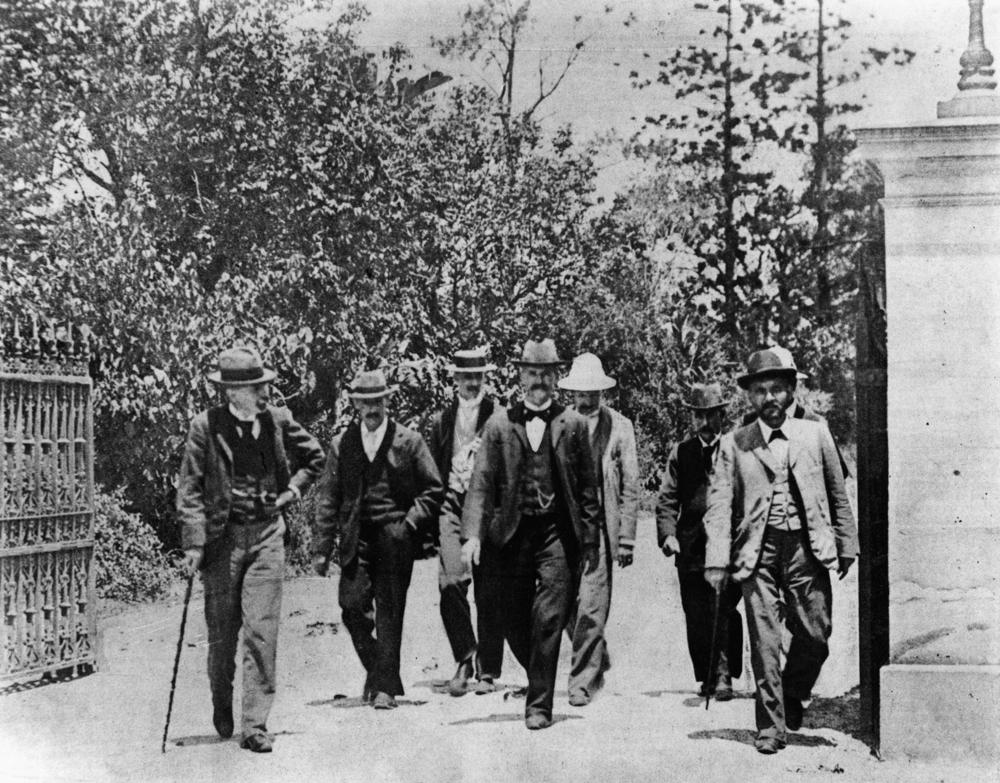

Organisation and ideology
The ALP operates as a federated party with state and territory branches and a national structure that includes a national conference and executive bodies. Its policy platform emphasises government intervention to promote social welfare, workplace protections, universal public services, and progressive taxation. Internal currents include broadly defined left and right factions that influence policy development and candidate selection. The party’s labour roots link it closely to unions and workplace organisations, a relationship reflected in membership and funding structures.
History and development
Formed at the end of the 19th century, the ALP grew out of organised labour efforts to secure political representation for workers. Over more than a century it has undergone major transformations, from early labour advocacy to a mature party that has governed at the federal level for extended periods. Its history includes important reforms and several internal splits and realignments that shaped modern Australian politics. For more on its role in parliamentary institutions see the entry on state and territory parliaments.
Electoral role and governance
The ALP has alternated in government and opposition at federal and state levels. Under federal leadership it has delivered landmark programs and legislative changes during different administrations, and it remains a major actor in national policymaking. The party contests seats across urban, regional and rural Australia and negotiates preferences and alliances with other parties. Its principal opponent at the national level is the Liberal Party, ordinarily allied with the National Party.
State and territory presence
- The ALP fields separate branches in each state and territory and adapts policy to local politics.
- In recent cycles it has held governments or significant representation in jurisdictions such as South Australia, Queensland, the Northern Territory and the Australian Capital Territory.
- State branches manage local campaigns, candidate preselections and policy platforms.
Notable features and distinctions
Key distinguishing features of the ALP include its institutional connection to organised labour, its broad internal factional diversity, and its long record of governing reforms that shape Australia’s welfare, industrial relations and public service sectors. As with large parties in parliamentary systems, it balances competing priorities among grassroots members, union affiliates and parliamentary figures while seeking electoral appeal across diverse constituencies. For general information about the party see party overview and for ideological context consult social-democratic discussions.
Questions and answers
Q: When was the Australian Labor Party formed?
A: The Australian Labor Party was formed in 1891.
Q: What is the ideology of the Australian Labor Party?
A: The Australian Labor Party is a social democratic party.
Q: What are the links between the Australian Labor Party and the Trade Union movement?
A: The Australian Labor Party has strong links to the Trade Union movement.
Q: Who are the main opponents of the Australian Labor Party?
A: The main opponents of the Australian Labor Party are the Liberal Party.
Q: When did the Australian Labor Party become the majority government of Australia?
A: The Australian Labor Party became the majority government of Australia since the 2022 federal election.
Q: In which states and territories of Australia does Labor govern?
A: Labor governs in South Australia, Queensland, Northern Territory and the Australian Capital Territory.
Q: Who is the current prime minister of Australia from the Australian Labor Party?
A: The current prime minister of Australia from the Australian Labor Party is Anthony Albanese.
Related articles
Author
AlegsaOnline.com Australian Labor Party (ALP) Leandro Alegsa
URL: https://en.alegsaonline.com/art/7496
Sources
- theaustralian.com.au : "Wayne Swan elected Labor national president"
- alp.org.au : "Australian Labor- History"
- anpsa.org.au : "Eucalypts...but not Eucalyptus"