
Bill Gold — American Movie Poster Designer (1921–2018)
Bill Gold was an American graphic designer who created thousands of film posters over a seven-decade career, producing memorable imagery for classics such as Casablanca, The Exorcist and Alien.
Overview
William "Bill" Gold (January 3, 1921 – May 20, 2018) was an American graphic designer celebrated for producing thousands of film posters. His first credited poster was for Yankee Doodle Dandy (1941), and his output spanned major studio campaigns and independent releases through his final poster for J. Edgar (2011). Born in New York City, New York, Gold's work became a visible part of twentieth‑century cinema culture.
Image gallery
3 Images

Career and collaborations
Over roughly seventy years Gold worked directly with filmmakers, producers and art departments to translate a film's tone into a single image. He partnered with a wide range of directors and creators, helping to shape public expectations before a film reached audiences. Notable people he collaborated with include:
- Laurence Olivier
- Clint Eastwood
- Alfred Hitchcock
- Stanley Kubrick
- Elia Kazan
- François Truffaut
- Ron Howard
- Sidney Lumet
- Ridley Scott
- Ray Harryhausen
Characteristics of his work
Gold's posters are known for clear central imagery, carefully considered typography and an emphasis on mood. Whether through dramatic portraiture, stark graphic contrasts or evocative composition, his designs aimed to convey narrative urgency or emotional tone at a glance. He adapted his approach to suit different genres: romantic dramas used softer composition while thrillers and science fiction often featured bold, high‑contrast visuals.
Notable designs and examples
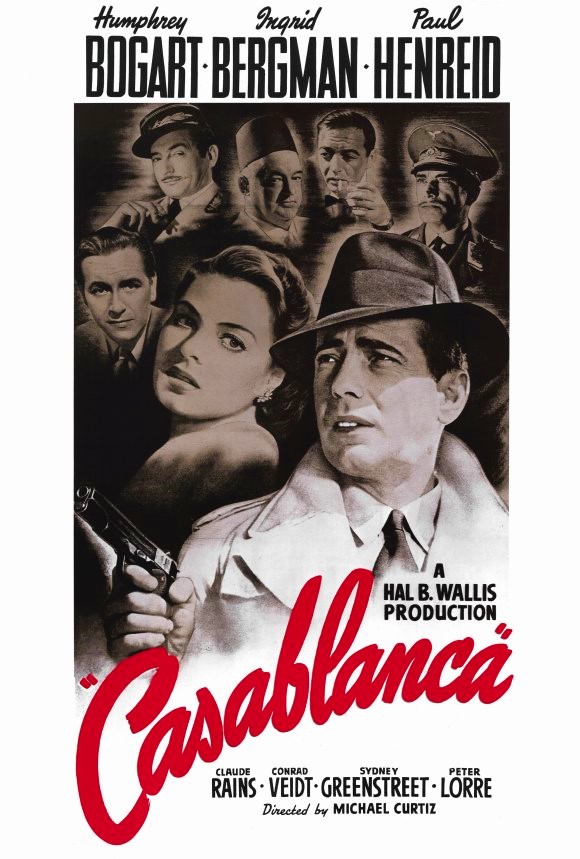
Among Gold's most recognizable poster designs are those for classic and influential films. Examples often cited include Casablanca, A Streetcar Named Desire, The Exorcist, A Clockwork Orange, Escape from Alcatraz, and Alien. These images have been reproduced, studied and collected by film enthusiasts because they distill a film's identity into a single memorable composition.
Legacy and later life
Gold's body of work influenced generations of art directors and poster artists; his career demonstrated how marketing art and design can shape a film's cultural presence. In later years he remained active as a designer and consultant, and his archives and prints are of interest to historians of cinema and graphic design. He died at his home in Old Greenwich, Connecticut, on May 20, 2018, from complications related to Alzheimer's disease.
Further notes
Gold's work is often referenced in discussions of film advertising, graphic design history and the visual language of cinema. For readers exploring his career, individual posters and studio campaigns provide a practical window into how marketing visuals evolve with changing tastes and technologies. Additional resources and reproductions of his art can be sought through film archives, design anthologies and specialized collections.
Related articles
Author
AlegsaOnline.com Bill Gold — American Movie Poster Designer (1921–2018) Leandro Alegsa
URL: https://en.alegsaonline.com/art/115224
Sources
- web.mac.com : "About Bill"
- hollywoodreporter.com : Bill Gold, Iconic Master of the Movie Poster, Dies at 97