
François Truffaut: life, films, and influence on the French New Wave
French filmmaker François Truffaut (1932–1984) was a critic-turned-director who helped launch the French New Wave and made landmark films such as The 400 Blows, Jules and Jim and Day for Night.

François Truffaut (6 February 1932 – 21 October 1984) was a French film director, screenwriter and former critic whose work shaped postwar European cinema. He first gained attention as a writer for the influential magazine Cahiers du cinéma, where he argued that a director could be an "author" of a film and helped develop what became known as the auteur perspective. In the late 1950s and 1960s he emerged as a leading figure of the French New Wave alongside contemporaries such as Jean-Luc Godard and Éric Rohmer.
Image gallery
4 Images
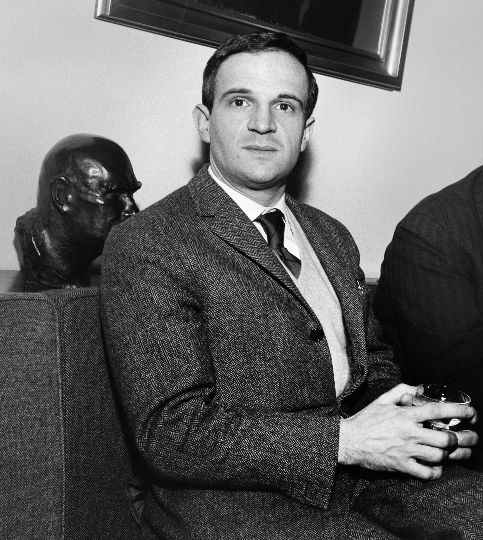


Early life and critical career
Born in Paris, Truffaut experienced a difficult childhood that later influenced several of his films. He moved from criticism to filmmaking after writing provocative essays that rejected the prevailing studio practices of the time and championed personal, location-based, director-driven cinema. His early career as a critic and his friendships with other young critics and filmmakers provided both the theoretical foundation and practical network he used to begin directing.
Key films and recurring themes
Truffaut's breakthrough feature, The 400 Blows (Les Quatre Cents Coups, 1959), introduced Antoine Doinel, a semi-autobiographical character played by Jean-Pierre Léaud. Other major works include Jules and Jim (1962), Shoot the Piano Player (1960), The Wild Child (1970), and Day for Night (La Nuit américaine, 1973). Common motifs in his films are childhood and memory, romantic entanglements, and an affectionate exploration of cinema itself.
Style, collaborators and methods
Truffaut favored naturalistic performances, expressive close-ups and narratives centered on personal experience rather than grand sociopolitical statements. He worked repeatedly with actors such as Jean-Pierre Léaud and technicians who understood his blend of lightness and emotional depth. Selected collaborators and elements include:
- Jean-Pierre Léaud — recurring actor and the face of Antoine Doinel
- Frequent use of location shooting and improvisation
- Close study of classical directors; Truffaut famously interviewed Alfred Hitchcock, producing the book Hitchcock/Truffaut, which offered a detailed dialogue between two generations of filmmakers
Later life, recognition and legacy
Truffaut received international acclaim and major awards during his career, including recognition from the Academy for Day for Night. His films continued to explore personal and cinematic themes into the late 1970s and early 1980s. He died in 1984 in Neuilly-sur-Seine of brain cancer. Today he is remembered both for his films and for his role in reshaping film criticism and directing practice: his writing and movies remain standard references in film studies and continue to influence directors, critics and cinephiles worldwide.
For an introduction to his work, watch The 400 Blows and Jules and Jim to see early New Wave energy, then turn to Day for Night for a reflection on the filmmaking process itself. Further reading and archival materials are available through film libraries and retrospectives dedicated to Truffaut's career.
Related articles
Author
AlegsaOnline.com François Truffaut: life, films, and influence on the French New Wave Leandro Alegsa
URL: https://en.alegsaonline.com/art/36123