
The Exorcist (1973 film)
1973 supernatural horror film directed by William Friedkin, adapted from William Peter Blatty's novel; noted for its practical effects, religious themes, cultural controversy, and enduring influence on horror cinema.
Overview
The Exorcist is a 1973 American supernatural horror film directed by William Friedkin and adapted from the 1971 novel by William Peter Blatty. The narrative follows the gradual and terrifying deterioration of a young girl and the two priests who confront an apparent demonic possession. The film balances elements of medical realism and religious ritual, posing questions about faith, trauma, and the limits of science in the face of phenomena portrayed as supernatural.
Image gallery
10 Images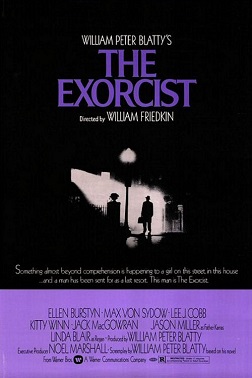



Production and style
The production is notable for its commitment to practical effects, makeup, and location work rather than contemporary digital techniques. Cinematography and sound design were used to create sustained tension and dread. Friedkin sought authenticity in performances and rituals, consulting clergy and medical professionals during development. The result is a stark, sometimes documentary-inflected style that heightens the sense of intrusion into ordinary life.
Cast and characters
The principal cast includes Max von Sydow, Ellen Burstyn, and Linda Blair, with supporting performers such as William O'Malley. Performances were widely discussed on release for their intensity; the actors portraying clergy and family members were central to the film's exploration of belief, doubt, and pastoral responsibility.
Music and atmosphere
The soundtrack and score choices, including the prominent use of Mike Oldfield's "Tubular Bells" theme, contributed to the film's eerie and memorable atmosphere. Sound editing and mixing were integral to many of the film's set pieces, using subtle and sudden effects to unsettle audiences and support the visual design.
Reception and awards
Upon its release the film attracted widespread attention, both commercially and critically, and became a cultural phenomenon. Critics debated its artistic merits and disturbing imagery. It received major awards and nominations and won Academy Awards in categories recognizing its screenplay and technical achievement. Over time the film has been the subject of ongoing critical study and remains a frequent subject in discussions of mainstream horror's capacity for serious themes.
Controversy and cultural impact
From its premiere the film provoked controversy for graphic imagery and religious subject matter; some viewers and religious groups found aspects offensive, while others defended its theological seriousness. The novel and film drew on, and were publicly linked to, a mid‑20th century exorcism case often cited as an inspiration for the story. The controversial reception contributed to the movie's notoriety and helped ensure a lasting place in popular culture.
Legacy and influence
The Exorcist helped establish enduring conventions in horror filmmaking—especially the integration of psychological, theological, and familial concerns with physical special effects. It inspired sequels, adaptations for stage and other media, and extensive academic commentary on its themes of faith, evil, and the dynamics of crisis in private life. The film remains a frequent point of reference in film history and religious studies when considering how popular cinema treats belief and the uncanny.
Notable facts
- Adapted from William Peter Blatty's bestselling novel, which itself cited a reported exorcism case as partial inspiration.
- Praised for technical craft—makeup, effects, sound design—and for creating sustained audience unease without relying on special‑effects spectacle alone.
- Its themes and production history continue to be analyzed in film scholarship and cultural histories of the 1970s.
For further reading, consult contemporary reviews, interviews with the filmmakers, and film‑history summaries that examine the production context, critical reception, and long‑term influence of this landmark horror film.
Related articles
Author
AlegsaOnline.com The Exorcist (1973 film) Leandro Alegsa
URL: https://en.alegsaonline.com/art/97933