
Elia Kazan: director, actor and influential figure in American theatre and film
Turkish-born Greek-American director and actor Elia Kazan (1909–2003) shaped mid-20th century stage and screen with realist direction, the Actors Studio, landmark films and a controversial HUAC testimony.
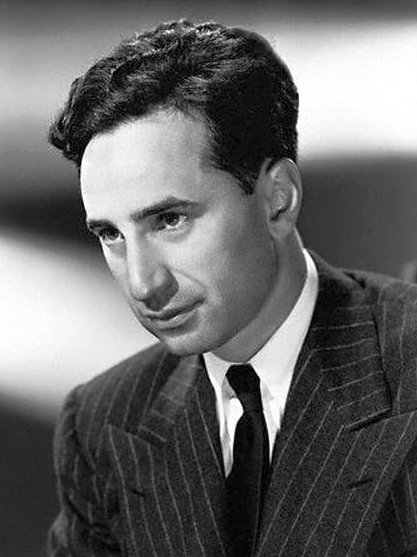
Elia Kazan (born Elias Kazantzoglou; September 7, 1909 – September 28, 2003) was a Turkish-born Greek-American stage and film director, producer, writer and actor who played a central role in mid-20th century American drama. Critics and historians have described him as one of the most influential directors in Broadway and Hollywood history; a contemporary profile in The New York Times captured the scale of his public reputation. He helped establish institutions and working methods that shaped acting and directing for decades, most notably by co-founding the Actors Studio in Manhattan (Manhattan) and by championing psychologically grounded, naturalistic performances.
Image gallery
6 Images




Early life and training
Kazan was born into a Greek family in the Ottoman Empire and emigrated to the United States as a child. His Greek birth name is sometimes given in sources as Ηλίας Καζαντζόγλου. He trained in the U.S., combining academic study with conservatory-style dramatic training; that background informed his approach to actors and directors, which emphasized disciplined rehearsal, close work with performers, and an interest in the interior life of characters.
Career highlights and notable works
Kazan directed major stage and screen productions across four decades. On Broadway he mounted powerful dramatic premieres; in cinema he became known for intense, character-driven films made with actors he had developed on stage. Among his best-known films are:
- A Streetcar Named Desire — the adaptation that brought Tennessee Williams's play to wide audiences.
- On the Waterfront — a gritty, location-shot drama that remains a landmark of 1950s American cinema.
- East of Eden — an early screen vehicle for a generation of young actors and a notable literary adaptation.
These projects helped launch or consolidate the careers of actors such as Marlon Brando, Vivien Leigh, Karl Malden and James Dean. Kazan received widespread professional recognition during his life, accumulating awards across film and theatre including multiple Academy Awards, Tony Awards and Golden Globe Awards.
Directing style and influence
Kazan's approach combined theatrical discipline with a desire for cinematic realism. He encouraged actors to draw on personal emotional experience, a practice associated with method acting, and he worked closely with performers to shape psychologically specific portrayals. He also helped expand the use of on-location filming and naturalistic settings in postwar American cinema, favoring social realism and moral complexity over glamour or spectacle.
Controversy and legacy
Kazan's career was complicated by politics. In the early 1950s he testified before the House Un-American Activities Committee about colleagues with Communist ties, a decision that generated lasting debate about ethics, artistic freedom and personal survival during the Cold War. Some artists and historians continue to reassess his place in cultural history in light of that episode, even as others emphasize his achievements as a director and mentor.
Later life and continuing importance
In later decades Kazan remained active as a director and teacher and wrote about his work and memory. Assessments of his influence typically balance two strands: his innovations in actor-directed realism and his pivotal role in institutionalizing dramatic training, and the controversy that shadowed part of his career. For readers who want to explore further, biographical and critical material is available through major archives and published studies that examine both his films and his role in American theater.
Selected resources and further reading are available from institutional pages and film archives; for organizational histories see materials associated with the Actors Studio and contemporary profiles in press outlets such as The New York Times. For those researching his original identity and family background, Greek-language sources list his birth name as Ηλίας Καζαντζόγλου. Major films and stage productions by Kazan remain accessible and continue to be studied for their craft and cultural impact: A Streetcar Named Desire, On the Waterfront and East of Eden are frequently cited in surveys of mid-century American drama.
Related articles
Author
AlegsaOnline.com Elia Kazan: director, actor and influential figure in American theatre and film Leandro Alegsa
URL: https://en.alegsaonline.com/art/118280
Sources
- britannica.com : "Elia Kazan"
- dictionary.reference.com : Dictionary.com – Kazan
- oxfordlearnersdictionaries.com : Oxford Learners' Dictionary – Elia Kazan