
Alien (1979 film)
Ridley Scott's 1979 science-fiction horror film featuring Sigourney Weaver as Ellen Ripley and the hostile xenomorph; noted for its design, atmosphere and lasting franchise.
Alien is a 1979 British-American feature directed by Ridley Scott. It blends science fiction and horror elements to tell a suspense-driven story set largely aboard a commercial towing spaceship, the Nostromo. The central threat is an aggressive extraterrestrial life form—commonly called a xenomorph—that hunts and eliminates members of the crew. The film established a spare, oppressive atmosphere and a gradual build from mystery to visceral terror rather than a reliance on constant action.
Image gallery
10 Images


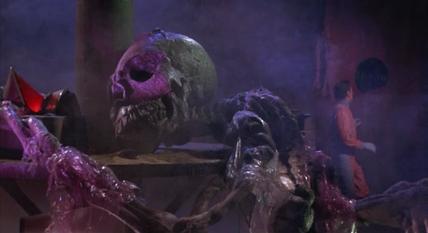


Plot and characters
The cast includes Sigourney Weaver as Ellen Ripley, with supporting performances from Tom Skerritt, Ian Holm and others. The screenplay, developed from ideas by the writers and creative team, follows the crew’s discovery of a derelict alien ship, the incubation of a lethal organism, and the desperate struggle to survive. Ripley’s pragmatic, resourceful presence emerged as a defining feature and later became central to the franchise’s identity.
Design, production and themes
Alien is widely recognized for its distinctive creature design and unsettling visual language. The xenomorph’s biomechanical appearance, the claustrophobic sets, and the film’s careful use of sound and silence helped create sustained dread. Production design and practical effects emphasized tangible, textured objects and actors’ reactions. The story explores recurring themes such as isolation, corporate indifference, bodily violation, and the dynamics of command under stress.
Reception and legacy
On release the film became a box-office success and found strong critical support for its direction, atmosphere, and lead performance. It helped launch Sigourney Weaver’s career and is often cited as an influential example of a science-fiction film centered on a female lead. Alien’s memorable tagline—"In space no one can hear you scream"—captures the film’s blend of the cosmic and the intimate.
Franchise and sequels
The original film spawned a long-running franchise that includes novels, comics, stage adaptations, and many video games. It produced three direct sequels during the late 20th century and later crossover films: Aliens (1986), Alien³ (1992), Alien: Resurrection (1997), and the crossovers Alien vs. Predator (2004) and Aliens vs. Predator: Requiem (2007). The series has also inspired expanded-universe material that deepens the biology and mythology of the xenomorphs.
Why it matters
Alien is important in film history for the way it fused genres, its insistence on practical effects and design, and its influence on subsequent science-fiction and horror works. It demonstrated how economy of storytelling and careful visual conception can produce enduring suspense. The film’s commercial success also helped cement the model of a major studio horror-science-fiction release and the creation of multimedia franchises in Hollywood.
- Production origins and nationality
- Transatlantic production partnerships
- Science-fiction elements
- Horror influences
- Director: Ridley Scott
- Star: Sigourney Weaver
- Tom Skerritt
- Ian Holm
- Impact on Hollywood
- Franchise overview
- Tie-in video games
- Official sequels
- Aliens (1986)
Alien remains widely studied and referenced in discussions of genre filmmaking, production design and the representation of gender in action and horror cinema. For more detailed resources, consult the linked entries above.
Related articles
Author
AlegsaOnline.com Alien (1979 film) Leandro Alegsa
URL: https://en.alegsaonline.com/art/2613