
Sidney Lumet: career, style, and legacy of an American director
Overview of Sidney Lumet — his life, transition from live television to film, major works such as 12 Angry Men and Dog Day Afternoon, themes, and influence on American cinema.
Sidney Lumet was an American film director, producer, screenwriter and former stage performer. Born in Philadelphia, Pennsylvania, he became known for hard-hitting dramas that combined naturalistic performances with moral complexity. Over a career spanning more than half a century, Lumet moved from the immediacy of television to a prolific film practice while remaining closely associated with New York's urban life.
Image gallery
6 Images


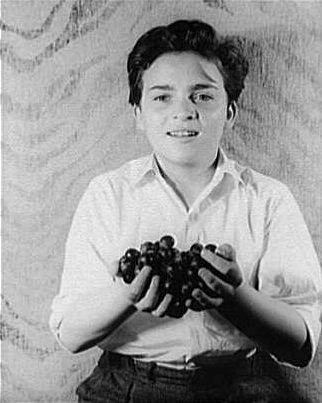

Early career and transition to film
Lumet began his professional life in live theatre and television, directing hundreds of stage plays and dozens of productions for live television. The skills required by that format—tight planning, swift rehearsal, and emphasis on actors—became hallmarks of his film work. He directed his first feature in the 1950s and thereafter steadily directed feature films that prized narrative clarity and performance over flashy camerawork.
Notable films and collaborators
Lumet's filmography includes several widely acclaimed titles that remain central to discussions of American cinema. Key examples are:
- 12 Angry Men — a courtroom chamber drama noted for its tight staging and moral focus.
- Dog Day Afternoon — a tense, character-driven story of a bank robbery and its social ramifications.
- Network — a satirical study of television and media culture.
- Serpico and Prince of the City — films that examine corruption and conscience in law enforcement.
- The Verdict and Q&A — courtroom and procedural pieces emphasizing character and ethics.
He worked repeatedly with prominent actors, drawing acclaimed turns from performers such as Henry Fonda, Al Pacino and Paul Newman. Lumet's direction often foregrounded actors' rhythms and allowed scenes to unfold with conversational realism.
Style, themes and influence
Lumet favored location shooting, economical storytelling, and a focus on moral dilemmas rather than spectacle. His films commonly probe authority, responsibility, and the social forces shaping individual choices. Critics and filmmakers have cited his rigor in rehearsals, ability to create urgency in contained settings, and his contribution to socially aware American cinema. Lumet's work helped cement a New York-centered style of gritty, character-led filmmaking that influenced later directors.
During his lifetime he earned widespread critical respect and multiple major award nominations for direction and screenwriting. His influence is visible in both mainstream dramas and independent films that value performance and civic themes.
Sidney Lumet died of lymphoma in New York City. His films remain studied for their moral clarity, discipline of execution, and enduring portraits of American institutions and individuals facing ethical choices.
Related articles
Author
AlegsaOnline.com Sidney Lumet: career, style, and legacy of an American director Leandro Alegsa
URL: https://en.alegsaonline.com/art/90236
Sources
- telegraph.co.uk : "Sidney Lumet"
- telegraph.co.uk : "Video: Director Sidney Lumet's most famous films - Telegraph"
- worldcat.org : 0307-1235
- worldcat.org : 49632006
- npr.org : "Award-Winning Director Sidney Lumet Dies"