
Beltway sniper attacks
A concentrated series of random shootings in October 2002 around Washington, D.C., carried out by John Allen Muhammad and Lee Boyd Malvo. The events prompted a large criminal investigation and changes in law enforcement response.
The Beltway sniper attacks were a series of coordinated long‑range shootings that terrorized communities in the Washington, D.C. area during a three‑week span in October 2002. Perpetrators targeted unsuspecting members of the public and positioned their vehicle to strike at a distance, provoking widespread fear and intense media attention. Early reports described the incidents as sniper attacks against civilians across the Mid‑Atlantic United States, centered on the capital region.
Image gallery
10 Images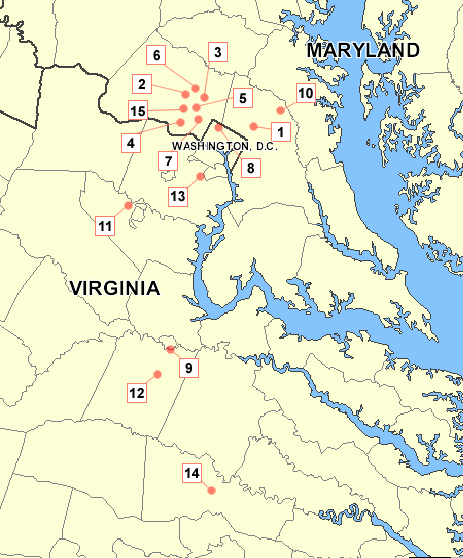





How the attacks were carried out
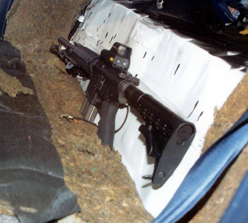
The shootings took place mainly on streets, in parking lots, and near shopping areas in and around Maryland and Virginia, including locations within and around Washington, D.C.. Investigators determined the assailants used a high‑powered rifle fired from a modified vehicle, allowing shots to be taken from a concealed position. The selection of victims appeared random, which increased public alarm and complicated the effort to predict or prevent further incidents.
Investigation and arrest
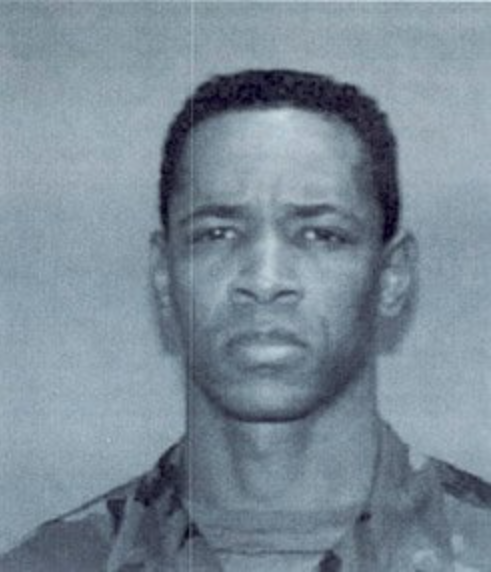
Law enforcement from multiple jurisdictions coordinated a large investigation that combined forensic evidence, witness reports and tips. The pattern of the shootings and a tip about the vehicle led to the arrest of two suspects at a highway rest area. One was John Allen Muhammad, and the other was Lee Boyd Malvo. Muhammad was described in reports as an American citizen and Malvo as having been born outside the United States; both men were taken into custody and charged in connection with the attacks.
Trials, sentencing and aftermath
Prosecutions in state and federal courts followed, with a wide range of legal outcomes that became the subject of public debate. The cases prompted discussion about interstate cooperation in criminal investigations, strategies for protecting public spaces, and policies on sentencing for violent crimes. Authorities also reviewed tactics for issuing alerts and informing the public without creating undue panic.
Legacy and notable facts
The events left a lasting impact on policing and on how communities respond to serial violent incidents. They highlighted vulnerabilities in everyday settings and the challenges of tracking mobile perpetrators across jurisdictions. The episode remains a reference point in studies of criminal behavior, crisis communication, and emergency coordination.
- Incidents drew rapid national media coverage and public warning systems were tested and revised (sniper attacks, shootings).
- Most of the events were concentrated in Maryland and Virginia suburbs of Washington, D.C..
- The investigation involved cooperation among local, state and federal agencies (Mid‑Atlantic response networks).
- Public discussion included the backgrounds of the suspects, including references to one as American and the other to his origins (John Allen Muhammad, Lee Boyd Malvo).
Related articles
Author
AlegsaOnline.com Beltway sniper attacks Leandro Alegsa
URL: https://en.alegsaonline.com/art/114946