
List of Mayflower Passengers
Overview and context for the people who sailed on the Mayflower in 1620 to establish Plymouth Colony, including composition, notable passengers, the Mayflower Compact, and the voyage’s legacy.
Overview
The Mayflower voyage of 1620 carried a group of English settlers and crew from Plymouth, England, to the coast of North America. These passengers helped found what became the Plymouth Colony in present-day Massachusetts. Commonly called "Pilgrims" in popular memory, the original company was more varied: it included Separatists seeking religious freedom, other colonists recruited for commerce, servants, and a ship’s crew.
Image gallery
7 Images


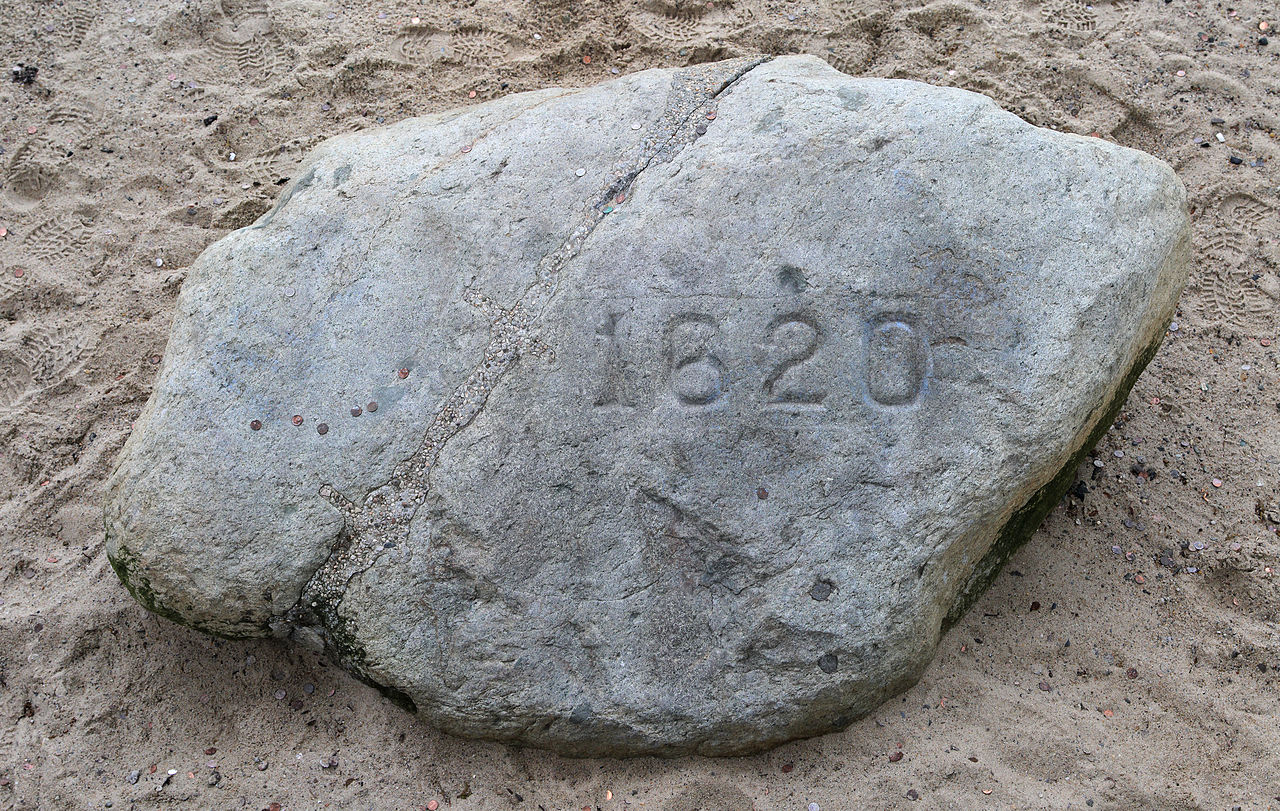


Composition of the Company
The passenger roster is known from contemporary lists and later compilations. Traditionally reported figures state there were 102 passengers aboard, plus a crew. The group comprised men, women, and children; family households; single men; indentured servants; and craftsmen. Historians often distinguish between the Leiden Separatists—who had migrated via the Netherlands—and the so-called "Strangers," who joined for economic opportunity or adventure.
Notable Passengers
Several individuals became prominent in the colony’s early years and in later historical accounts. Among them were leaders and organizers, civic founders, and skilled settlers. Names that commonly appear in lists of passengers include:
- William Bradford (later governor)
- John Carver (first governor)
- Myles Standish (military leader)
- William Brewster (religious elder)
- Edward Winslow (early diplomat)
- Priscilla Mullins and John Alden (well-known settlers)
Mayflower Compact and Early Records
Shortly after landing, a number of the adult male passengers signed the Mayflower Compact, an early agreement for self-governance that became symbolic of colonial cooperation. The Compact and other documents preserved lists and agreements that scholars use to reconstruct an authoritative passenger roster. Those records also show high mortality during the colony’s first winter and subsequent efforts to recruit and resupply.
Legacy and Uses of the List
The passenger list has long been of interest to genealogists, historians, and the public. It informs studies of migration, settlement patterns, legal traditions, and family histories in early New England. It is also the basis for commemorations and for understanding how a small, mixed group established a surviving English settlement on North American soil.
Questions and answers
Q: What was the Mayflower?
A: The Mayflower was a ship famous for sailing to North America in 1620 bringing pilgrims and other settlers to create the Plymouth colony in Massachusetts.
Q: When did the Mayflower sail to North America?
A: The Mayflower sailed to North America in 1620.
Q: Who were the passengers on the Mayflower?
A: The passengers on the Mayflower were pilgrims and other settlers who were looking for a new home to practice their own religion, as well as other passengers who came for other reasons.
Q: Why did the passengers on the Mayflower leave their home country?
A: The passengers on the Mayflower left their home country to find a new home where they could practice their own religion.
Q: What was the purpose of the Mayflower's voyage to North America?
A: The purpose of the Mayflower's voyage to North America was to create the Plymouth colony in Massachusetts.
Q: What is the significance of the Mayflower's voyage?
A: The significance of the Mayflower's voyage is that it brought pilgrims and other settlers to North America to create the Plymouth colony in Massachusetts, which became an important part of American history.
Q: What was the destination of the Mayflower's voyage?
A: The destination of the Mayflower's voyage was the Plymouth colony in Massachusetts.
Related articles
Author
AlegsaOnline.com List of Mayflower Passengers Leandro Alegsa
URL: https://en.alegsaonline.com/art/124814
Sources
- etext.virginia.edu : etext.virginia.edu
- plimoth.org : plimoth.org
- americanancestors.org : americanancestors.org
- plimoth.org : plimoth.org/media/pdf/carver_john.pdf
- findagrave.com : findagrave.com/cgi-bin/fg.cgi?page=cr&CRid=1835987.html
- petplace.com : petplace.com/article/category/pet-health?artID=1690.html