
John Allen Muhammad and the 2002 Beltway Sniper Attacks
Profile of John Allen Muhammad, principal perpetrator of the 2002 Beltway sniper attacks in the Washington, D.C. area: crimes, arrest, trials, sentencing, and the incident's lasting impact.
Overview
John Allen Muhammad (born December 31, 1960; executed November 10, 2009) was the primary defendant in the series of shootings known as the 2002 Beltway sniper attacks. In October 2002, a sequence of seemingly random long‑range shootings across the Washington, D.C. metropolitan area resulted in ten fatalities and widespread fear. Muhammad carried out the attacks with an accomplice, Lee Boyd Malvo, a teenager at the time. The case drew intense national media attention and prompted extensive law enforcement coordination across state lines.
Image gallery
2 Images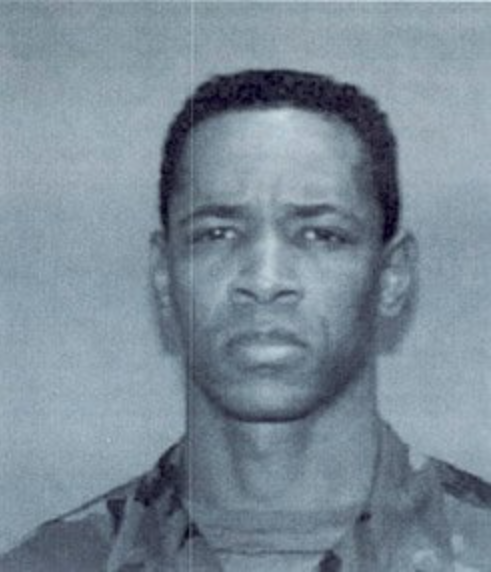

Crimes and modus operandi
The attacks were characterized by violent, remote shootings of civilians in locations such as parking lots, gas stations and roadside areas. The perpetrators used a high‑power rifle and methods designed to conceal their presence and avoid detection, including shooting from a distance while seated in or near a vehicle. Victims were chosen largely at random, which compounded public alarm and complicated investigative efforts.
- Geographic scope: multiple jurisdictions around Washington, D.C., including parts of Maryland and Virginia.
- Victims: ten confirmed fatalities during the October 2002 series of attacks.
- Apparent tactics: long‑range shots from or near a vehicle, brief public exposures, and rapid movement between locations.
Arrest, trial and sentences
Authorities identified and apprehended Muhammad and Malvo after a combination of witness reports, forensic evidence and investigative leads culminated in a traffic stop and subsequent arrest. Muhammad was prosecuted in Virginia, convicted of multiple counts including murder, and sentenced to death. He was executed by lethal injection in Virginia in November 2009. Malvo was sentenced to life imprisonment without the possibility of parole. Over the years the legal proceedings generated numerous appeals and legal challenges, particularly given Malvo's youth at the time of the crimes.
Claims, victims and controversies
Following arrest and during legal proceedings, Muhammad made statements asserting responsibility for additional killings beyond those officially linked to the 2002 attacks; such claims have been treated cautiously by investigators and courts. The case raised difficult questions about culpability, the influence of an older partner over a younger accomplice, and how to adjudicate capital punishment in complex, multi‑jurisdictional crimes. The public discourse included debates over the death penalty, juvenile justice, and the adequacy of law enforcement communication across state lines.
Impact and legacy
The Beltway sniper case had lasting effects on policing practices, public awareness, and victim advocacy. Law enforcement agencies reviewed procedures for multi‑agency coordination, forensic analysis, and information sharing. Memorials and support efforts for victims' families emerged in the years after the shootings. The case has been examined in criminal justice studies, media analyses and discussions about radicalization, mentorship, and the dynamics of accomplice relationships.
Further reading and resources
For official records, trial documents and detailed reporting consult dedicated sources and archives. The following links provide starting points for further research and public records searches:
Questions and answers
Q: Who was John Allen Muhammad?
A: John Allen Muhammad was a spree killer responsible for ten deaths in the Washington, D.C. area in 2002.
Q: How were the ten people killed?
A: The ten people were shot from a distance inside Muhammad's car.
Q: Was Muhammad alone in this crime or he had an accomplice?
A: Muhammad had an accomplice named Lee Boyd Malvo.
Q: How many more murders did Muhammad confess to having committed?
A: Muhammad confessed to having committed seven more murders, making a total of 17 victims.
Q: What was the sentence given to Muhammad?
A: Muhammad was sentenced to death by lethal injection.
Q: What was the sentence given to Malvo?
A: Malvo was sentenced to life imprisonment without the possibility of parole.
Q: When was Muhammad executed?
A: Muhammad was executed by lethal injection on November 10, 2009, in the state of Virginia.
Related articles
Author
AlegsaOnline.com John Allen Muhammad and the 2002 Beltway Sniper Attacks Leandro Alegsa
URL: https://en.alegsaonline.com/art/122335
Sources
- news.yahoo.com : "Silent DC sniper mastermind Muhammad executed"