
Andrew Fisher: Australian Labor leader and three-time prime minister
Concise biography of Andrew Fisher (1862–1928), his rise from miner to Labor leader, three terms as Prime Minister, nation‑building reforms, and his later life in London.
Overview
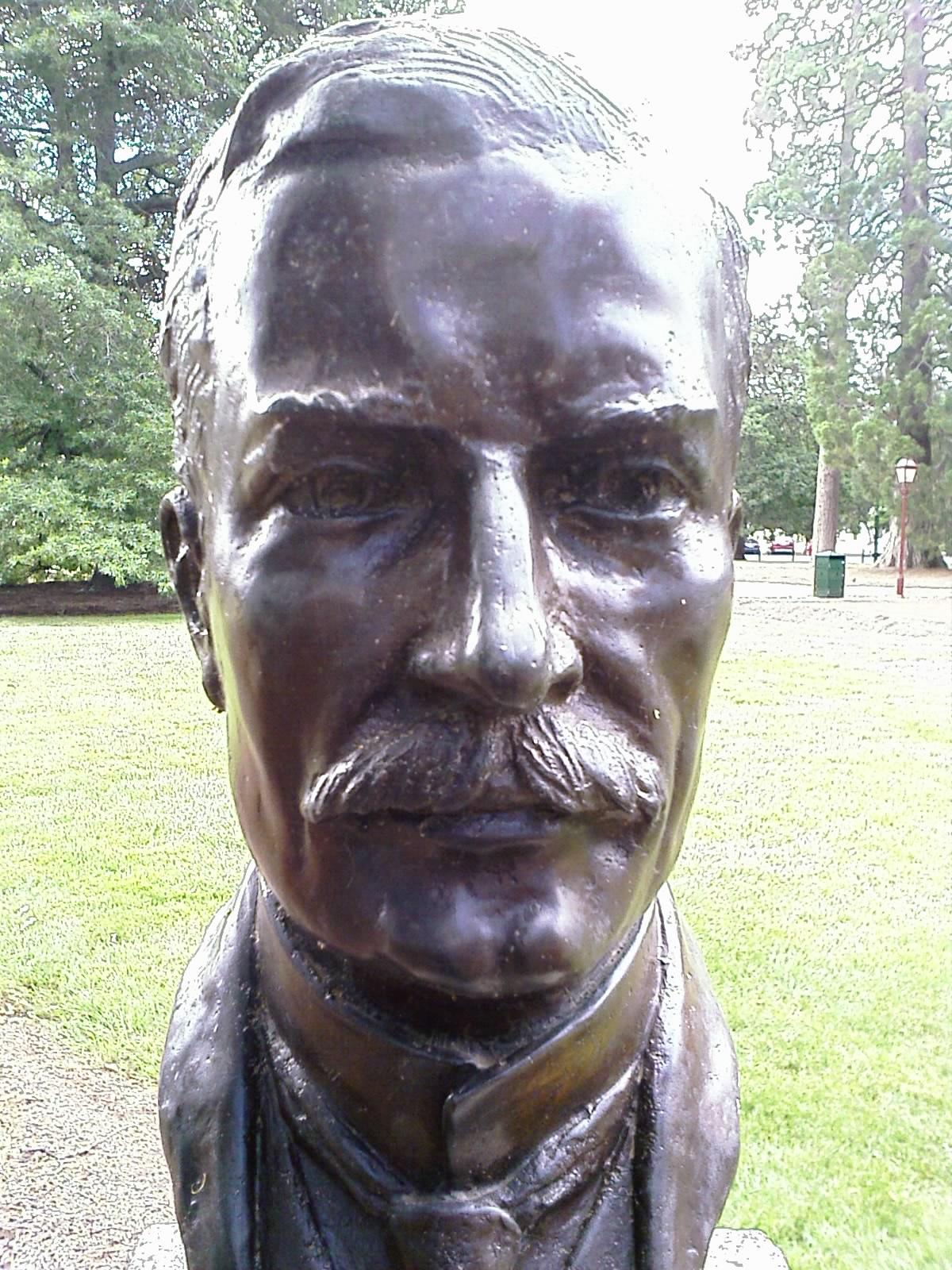
Andrew Fisher was an influential leader of the Australian Labor Party and served as the nation's fifth Prime Minister on three separate occasions. Born on 29 August 1862 in Crosshouse, Scotland, he migrated to Australia in 1885 and rose from a working-class background in the coal mines to become a central figure in early federal politics. He died in 1928 while living in London.
Image gallery
10 Images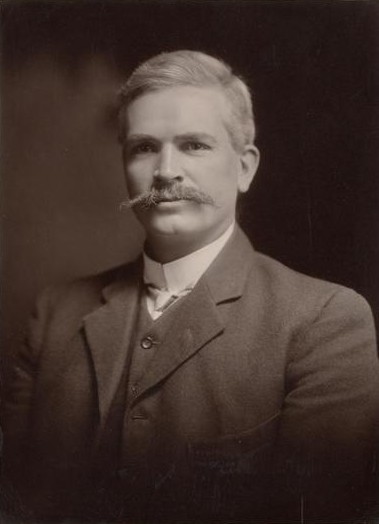





Early life, migration and union activity
Fisher left formal schooling at a young age to work underground in mining communities. His experiences shaped his views on labour, social reform and political representation. After emigrating to Queensland he worked at mines in areas such as Burrum and Gympie and became active in trade unions and local civic affairs. He entered parliamentary life through the Queensland Parliament, winning election in 1892, and built a reputation as an effective organiser and speaker.
Federal career and prime ministerships
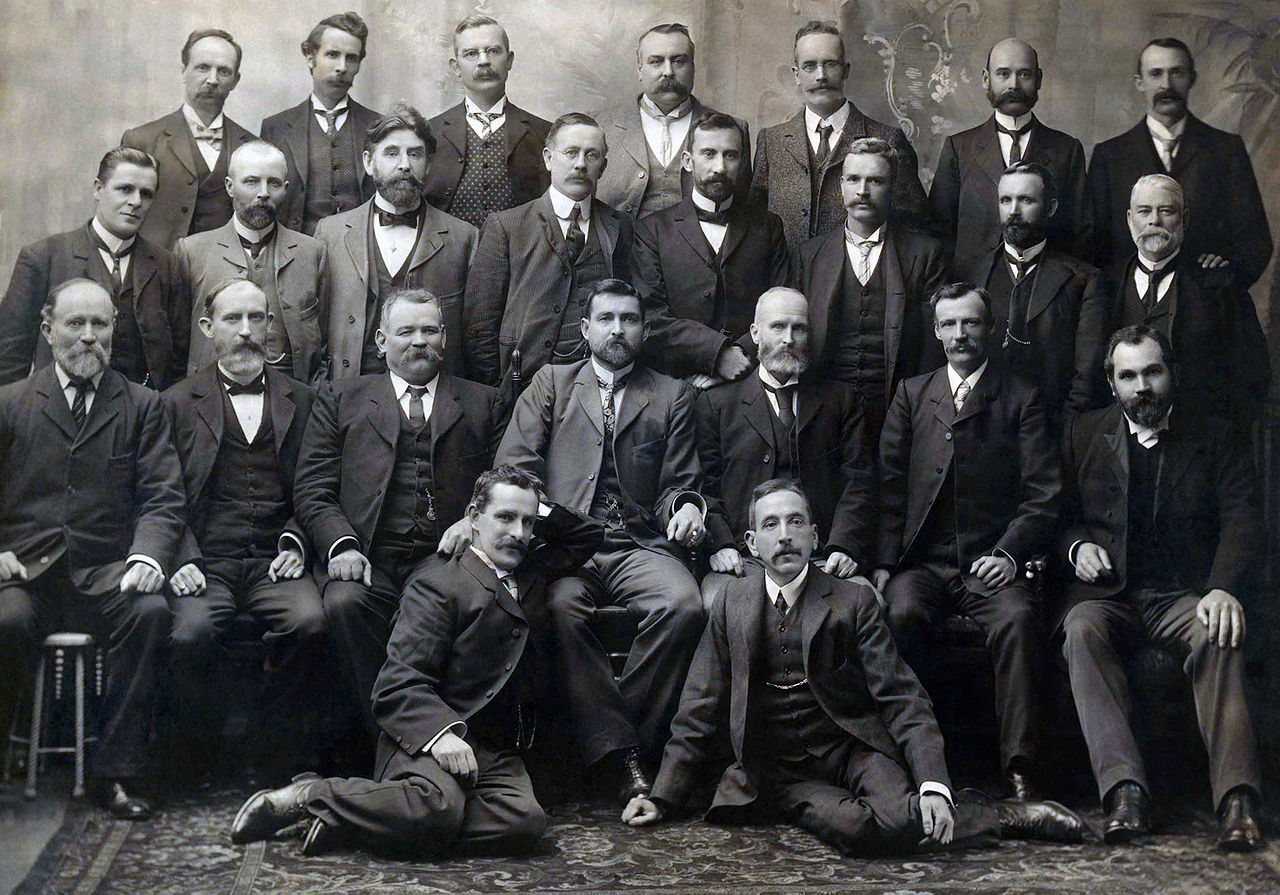
At federation Fisher was elected to the first federal parliament as member for Wide Bay. He led Labor to form government on three occasions, serving roughly between 1908 and 1915 in successive ministries. One of the distinctive features of his time in office was that his government at one point held majorities in both the House of Representatives and the Senate, allowing a sustained program of legislation and institution building.
Nation‑building programs and legislation
Fisher’s ministries pursued a program commonly described as nation‑building. Key initiatives and outcomes included:
- Establishment of a national naval force that became the Royal Australian Navy, strengthening Australia’s defence capacity.
- Creation of national banking arrangements and an Australian system for issuing banknotes; the Commonwealth Bank and related fiscal measures were introduced under his governments.
- Development of federal responsibility for territories, including the transfer of the Northern Territory from South Australia to Commonwealth administration.
- Selection and initial planning of the federal capital at Canberra, together with work to site and design the emerging capital.
- Initiation of major infrastructure such as the trans‑Australian railway linking the eastern states to Perth, a project intended to bind the continent together economically and politically.
- Social measures including the introduction of maternity allowances and steps toward improving political opportunities for women, reflecting the social democratic priorities of his party.
Legislative record and wartime role
Fisher’s governments were unusually productive; with unified parliamentary majorities he was able to secure the passage of a large number of Acts that expanded federal responsibilities. At the outbreak of the First World War his administration played a leading role in organising Australia’s early contribution to the imperial war effort, including recruitment and mobilisation measures.
Later life and historical assessment
After leaving federal politics Fisher relocated to London, where he spent his remaining years and died in 1928. Historians commonly regard him as one of Australia’s most effective early prime ministers because of his emphasis on institution building and the durability of reforms enacted under his governments. He is remembered for translating labour values into a program of national development.
Notable points and legacy
- Fisher came from a mining background and rose through union organisation to national office.
- He was the first Australian prime minister to lead governments holding majorities in both houses, which facilitated a broad legislative agenda.
- Institutions and projects begun under his leadership — financial, defence and infrastructural — shaped Australia’s 20th century development.
For more detailed study of Fisher’s terms, legislation and the institutions he helped create consult primary sources and modern historical accounts, including parliamentary records and biographies that examine his leadership in context of the emerging Australian nation-state.
References to places and institutions in this summary: Australia, birth, death, prime ministership, navy, London, Crosshouse, mining, 1885, Queensland, parliament, 1892, Wide Bay, Northern Territory, South Australia, Canberra, Perth, House of Representatives, Senate.
Related articles
Author
AlegsaOnline.com Andrew Fisher: Australian Labor leader and three-time prime minister Leandro Alegsa
URL: https://en.alegsaonline.com/art/114114