
1928: A concise year in the interwar era
An overview of 1928 covering major political events, scientific breakthroughs, cultural milestones, and sporting highlights during the late 1920s interwar period.
1928 was a year in the interwar period marked by diplomatic initiatives, scientific discovery, cultural innovation and continuing social change. It fell near the close of the Roaring Twenties, a time of economic growth and lively cultural life in many Western countries, and it produced several developments with long-term influence on medicine, international law, aviation and popular culture.
Image gallery
10 Images






Politics and international affairs
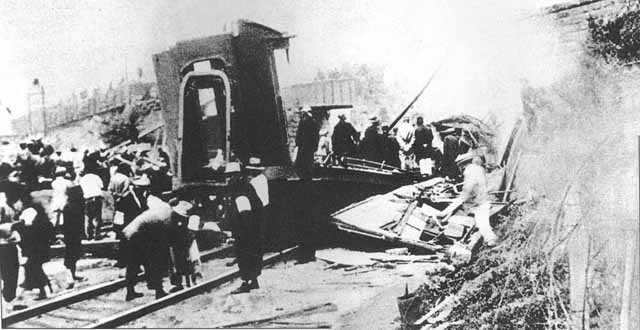
Diplomacy featured prominently: in August 1928 a multilateral agreement known as the Kellogg–Briand Pact was concluded, in which signatory states pledged to renounce war as national policy. In national politics the United States held a presidential election in which the Republican candidate won a large popular mandate. In East Asia, the Nationalist government under Chiang Kai-shek consolidated control and established its capital at Nanjing, an event often taken as a step toward nominal reunification of China after years of civil conflict.
Science, technology and exploration
1928 brought important advances in science and transport. In medicine, Alexander Fleming’s observation of a mold that inhibited bacterial growth led to the discovery of penicillin’s antibacterial properties—an insight that later became foundational for antibiotic therapy. Aviation continued to attract public attention: Amelia Earhart gained international fame in 1928 when she became the first woman to cross the Atlantic by air (as a passenger), an event that helped raise the profile of women aviators.
Culture, literature and entertainment
The year saw notable cultural releases and controversies. Walt Disney’s cartoon Steamboat Willie debuted late in 1928 and introduced the character Mickey Mouse to wide audiences, becoming a milestone in animation and sound film. In literature, landmark works such as Virginia Woolf’s Orlando appeared, and Radclyffe Hall’s novel The Well of Loneliness provoked public debate and legal action about obscenity and homosexuality. Jazz, radio broadcasting and Art Deco aesthetics continued to shape popular taste.
Sports and public events
International sporting events took place in 1928: the Winter Olympics were staged in St. Moritz and the Summer Olympics in Amsterdam, each drawing athletes from many nations and contributing to the growing internationalism of sport in the interwar years.
Notable developments and legacy
Many of 1928’s developments had long-term consequences. The Kellogg–Briand Pact reflected a strong interwar desire to avoid large-scale war, even though its practical effectiveness was limited. Fleming’s penicillin foreshadowed antibiotics that would transform medicine after World War II. Cultural products from 1928—especially in film and literature—helped define modern popular and artistic tastes. The year thus sits at a crossroads between the optimism of the late 1920s and the tectonic economic and political shifts that followed.
Selected major events
- Kellogg–Briand Pact signed by many states renouncing war as policy
- Alexander Fleming’s discovery of penicillin’s antibacterial effect
- Amelia Earhart’s transatlantic flight as the first woman passenger
- Debut of Steamboat Willie and the popular rise of Mickey Mouse
- Winter Olympics in St. Moritz; Summer Olympics in Amsterdam
- Political consolidation of the Nationalist government in Nanjing
Related articles
Author
AlegsaOnline.com 1928: A concise year in the interwar era Leandro Alegsa
URL: https://en.alegsaonline.com/art/111944