
Bichon Frisé — small white companion dog
A lively, small companion breed known for its curly white coat, playful temperament, and history from the Canary Islands to France. Popular as a family and therapy dog; requires regular grooming and routine health care.
Overview
The Bichon Frisé is a small companion breed valued for its cheerful manner and sociable nature. Compact and sturdy, it is primarily kept as a pet rather than for work. The dog is commonly described as playful, affectionate, and adaptable to family life and apartment living when given regular exercise and attention.
Image gallery
5 Images

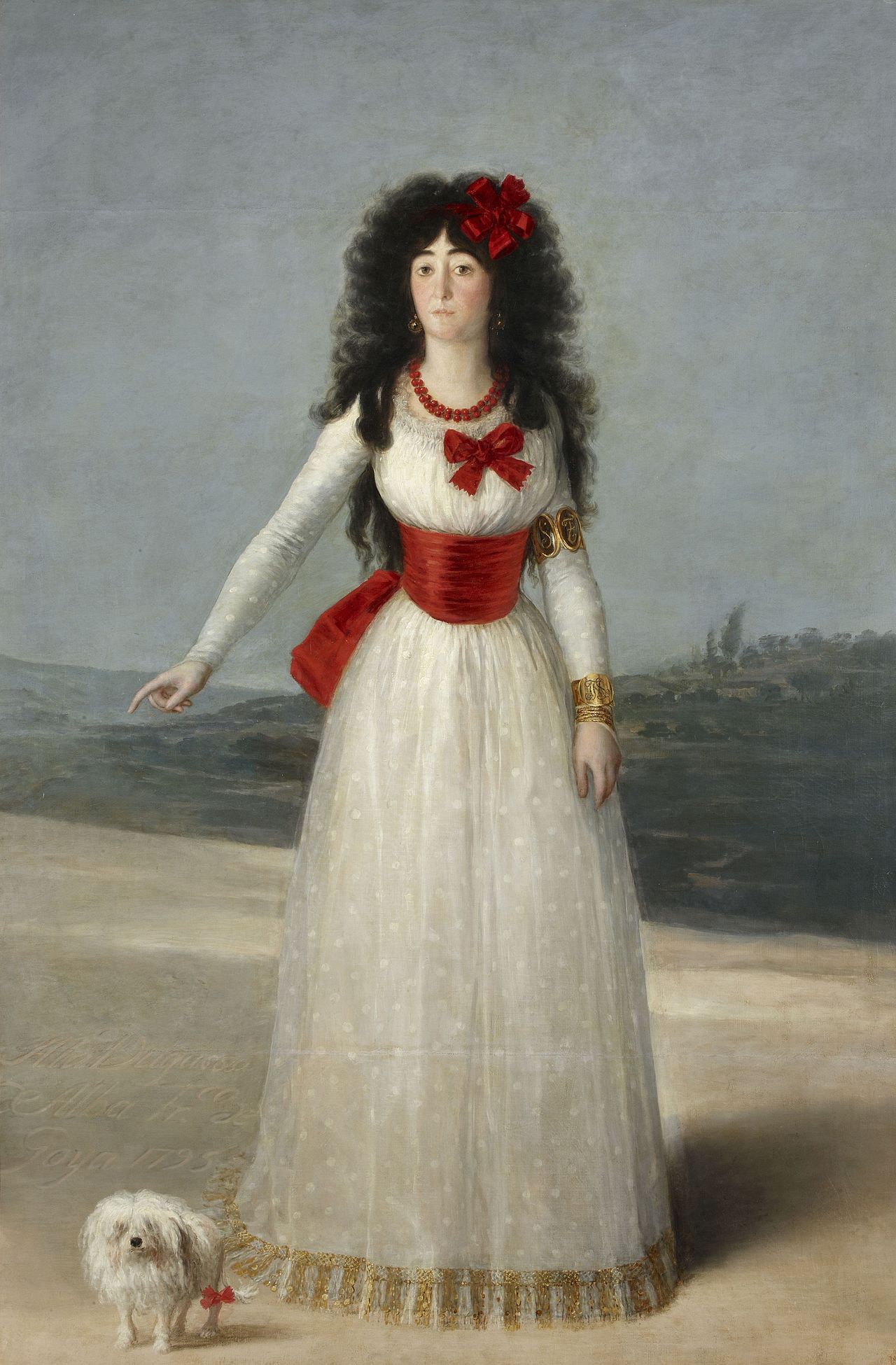


Appearance and coat
Typical adults stand low to the ground and present a rounded silhouette because of their dense, curly fur. The coat is double-layered; its texture and styling give the classic cloud-like look. Owners prize the bright, clean white color and the powder-puff outline created by careful grooming. Attention to the coat is an important part of the breed’s maintenance.
Origins and development
Ancestors of the Bichon Frisé trace back to small Mediterranean companion dogs brought by sailors and merchants. One commonly cited early home is Tenerife, from where similar dogs moved into continental Europe. They later became fashionable in courtly circles in places such as France, where selective breeding shaped the modern type.
Temperament and uses
Known for friendly and gentle behavior, the Bichon Frisé usually gets along well with children and other pets when socialized. It often serves as a household companion or in roles such as therapy visiting because of its affectionate, people-oriented disposition. Training responds well to positive reinforcement and consistent routines.
Care, grooming, and health
Routine grooming is essential: daily brushing helps prevent tangles and periodic professional trimming preserves the characteristic silhouette. Common care recommendations include:
- Regular brushing and combing to avoid matting.
- Scheduled baths and gentle drying to keep coat volume.
- Routine dental care, ear checks, and nail trims.
Like many small breeds, the Bichon Frisé can be prone to dental issues, patellar luxation, allergies, and ear infections; responsible breeders and regular veterinary care reduce risks and detect problems early.
Distinguishing facts
Sometimes grouped with other "bichon" types (such as Bolognese or Havanese), the Bichon Frisé is distinct for its uniformly curly white coat and rounded head profile. The breed’s name is often written with the French accent as Bichon Frisé. Despite its delicate appearance, it remains an energetic and sturdy companion that thrives on interaction and grooming attention.
For basic breed standards and caretaker resources see official references and breed clubs: breed clubs, heritage pages like regional histories, and national registries or guides at registration authorities, breed care pages at grooming guides, and health information summaries at general breed health.
Related articles
Author
AlegsaOnline.com Bichon Frisé — small white companion dog Leandro Alegsa
URL: https://en.alegsaonline.com/art/11259