
Tenerife
Tenerife is the largest and most populous of the Canary Islands, known for Mount Teide, volcanic scenery, beaches, and a strong tourism economy.
Tenerife is the largest and most populous of the Canary Islands, an Atlantic archipelago that belongs to Spain. It is one of the two provinces of the autonomous community: the island is part of the province of Santa Cruz de Tenerife, whose capital is Santa Cruz de Tenerife, while the other province is Las Palmas de Gran Canaria. Tenerife is also the second most populated island in Spain after Mallorca.
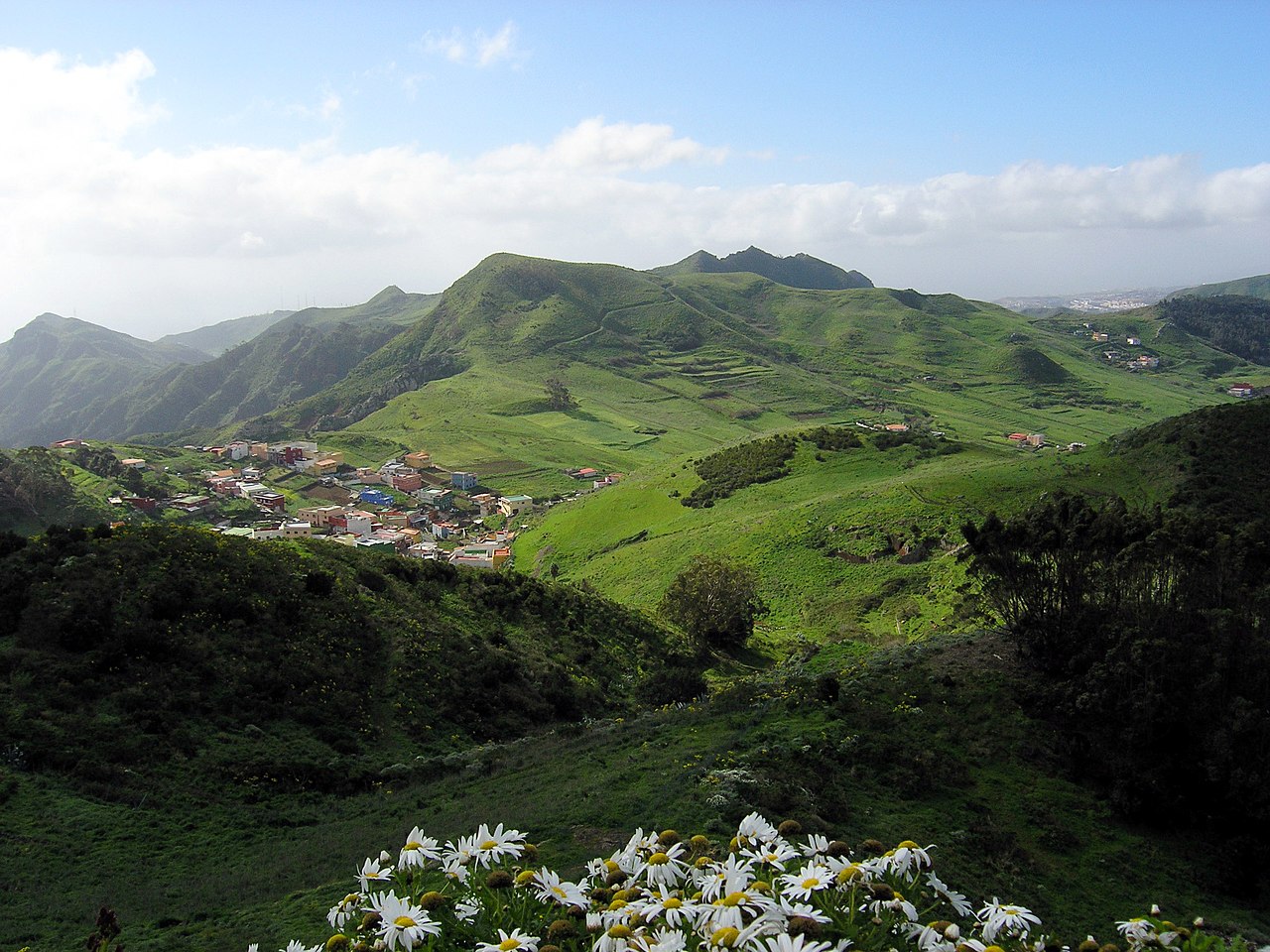
The island's landscape is dominated by a large volcano, Mount Teide, which rises far above the surrounding terrain and forms the centerpiece of Teide National Park. Tenerife is often described as a place of sharp contrasts: high volcanic slopes, pine forests, fertile northern valleys, dry southern lowlands, black-sand beaches, and densely built resort areas. These differences in climate and scenery are a major part of the island's identity.
Image gallery
10 Images




History and culture
Before the Spanish conquest in the 15th century, Tenerife was inhabited by the Guanches, the island's indigenous people. Over time, the island became an important Atlantic stopping point for trade and travel between Europe, Africa, and the Americas. Historic San Cristobal de La Laguna, now a cultural center, reflects this early period of urban and religious development. Another important place is Candelaria, where the Virgin of Candelaria is venerated as the patron saint of the Canary Islands.
Tenerife has a strong local identity that is visible in its symbols, festivals, and religious traditions. The island flag consists of a white St Andrew's cross on a navy blue background, a reference to the saint who is regarded as the island's patron. The best-known celebration is the Carnival of Santa Cruz de Tenerife, which is widely considered one of the most important carnivals in the Spanish-speaking world.
Economy and transport
Today, tourism is a central part of Tenerife's economy. Visitors come for its climate, beaches, natural parks, and leisure attractions, including Loro Parque in Puerto de la Cruz and the cable-car access to the Teide area. The island also has agriculture, local services, and a busy port economy, but tourism remains the main source of income in many communities.
Tenerife has two international airports. Tenerife South serves the main resort zones in the south, while Tenerife North handles traffic to the capital region and other northern towns. The northern airport is also remembered for a major aviation disaster on March 27, 1977, when two Boeing 747 aircraft collided on the runway and 583 people were killed. It remains one of the deadliest accidents in aviation history.
- Natural landmarks: Mount Teide, volcanic terrain, and Teide National Park.
- Urban centers: Santa Cruz de Tenerife, La Laguna, Puerto de la Cruz, Arona, and Adeje.
- Cultural highlights: island festivals, religious traditions, and the famous Carnival of Santa Cruz de Tenerife.
Questions and answers
Q: What is the capital of Tenerife?
A: The island capital of Tenerife is Santa Cruz de Tenerife.
Q: How many inhabitants does Tenerife have?
A: Tenerife has 899.833 inhabitants.
Q: What is the flag of the island?
A: The flag adopted by the island is that of a white St Andrew's cross on a navy blue background this is due to St Andrew being the patron saint of the island.
Q: What are some important cities in Tenerife?
A: Important cities in Tenerife include Puerto de la Cruz, La Orotava, Arona, Adeje and San Cristóbal de La Laguna, all located in the north of the island. Candelaria is also an important town where they worship the patron saint of the Canary Islands, which is the Virgin of Candelaria.
Q: What industry does Tenerife depend on for much its income?
A: The island currently depends on tourism for much its income.
Q: How many international airports does it have?
A: It has two international airports; one in Playa de Las Americas, Costa Adeje and Los Cristianos near south centres for tourism and one near Santa Cruz in north which was where world’s worst plane disaster happened on March 27 1977 killing 583 people.
Q: What are some tourist attractions in Tenerife?
A: Popular tourist attractions include Teide volcano (top more than 3,000 m above sea level) and Loro Parque in Puerto de la Cruz.
Related articles
Author
AlegsaOnline.com Tenerife Leandro Alegsa
URL: https://en.alegsaonline.com/art/96964